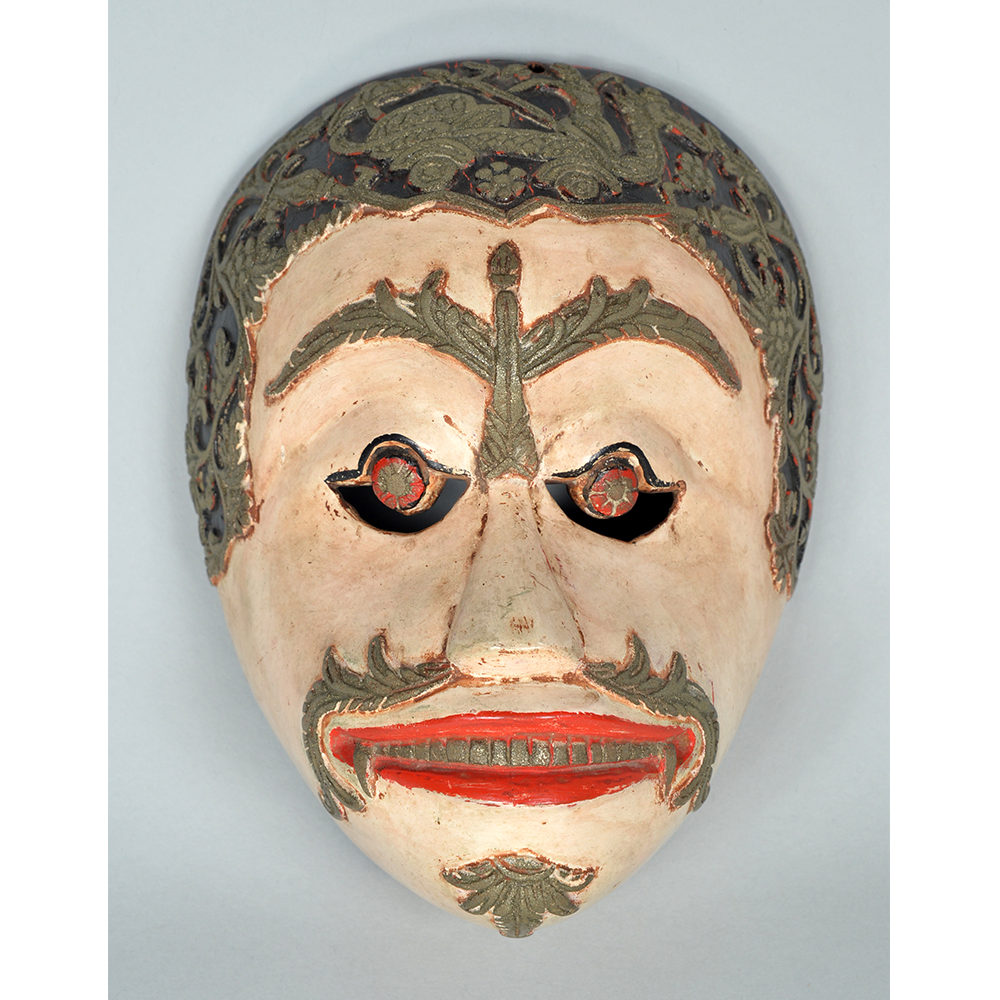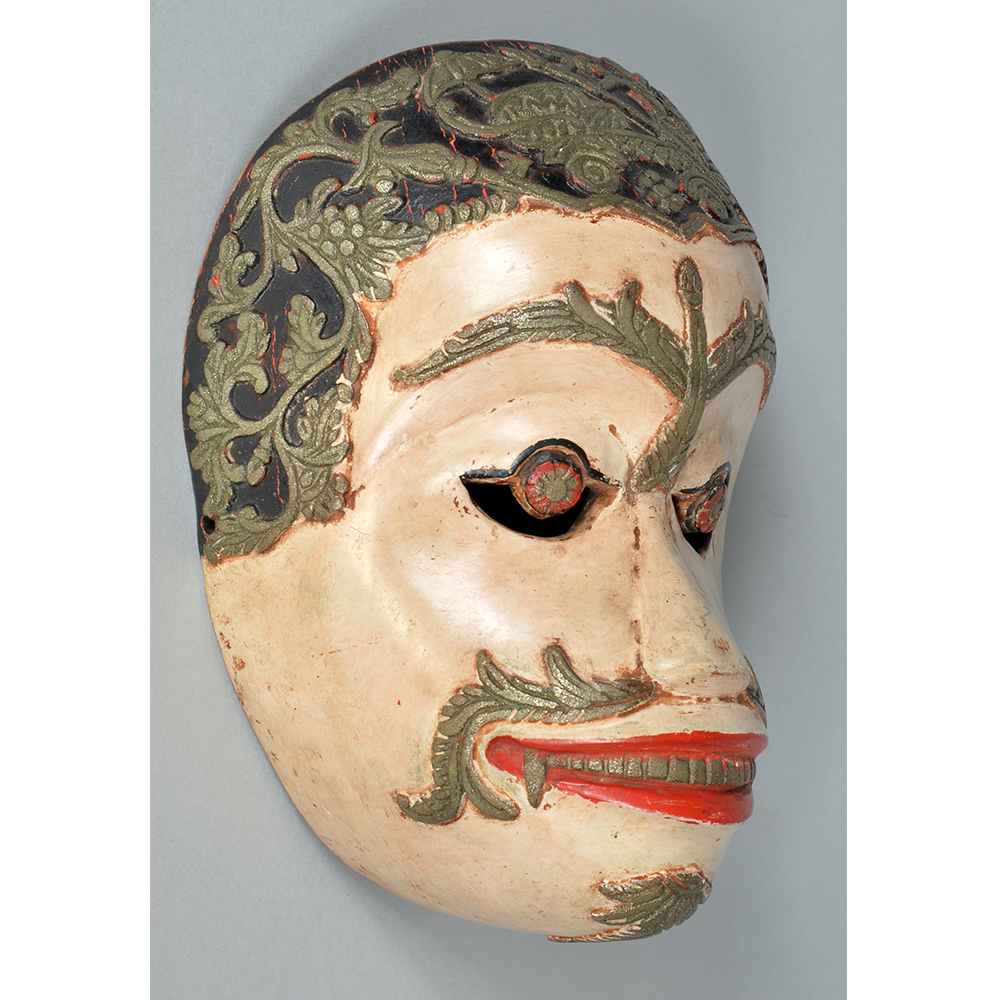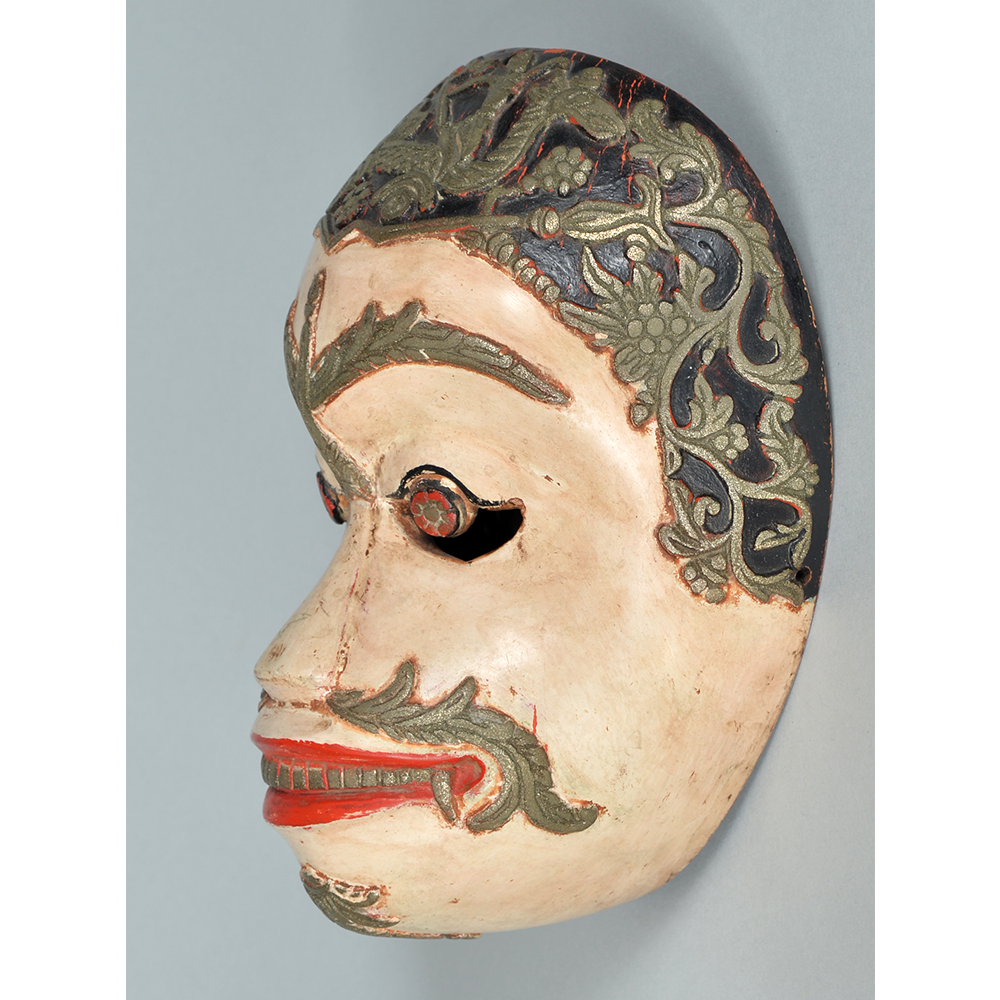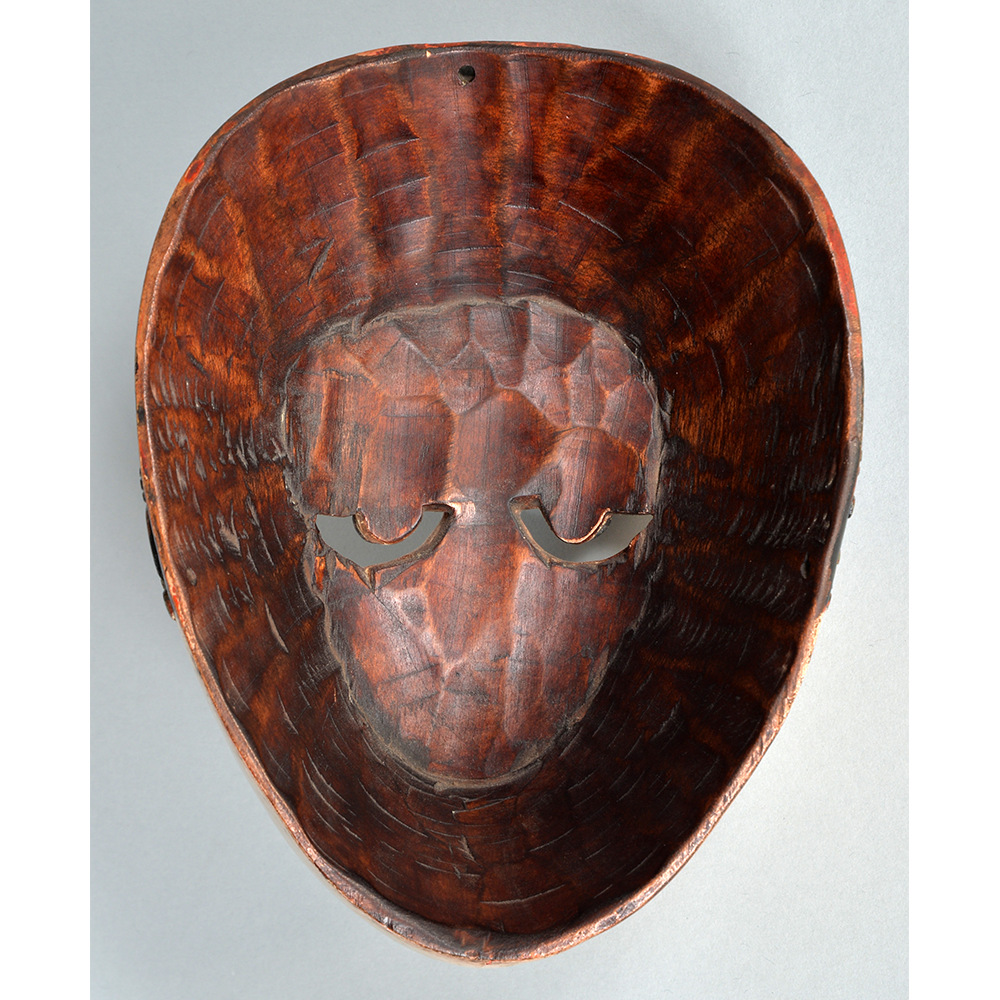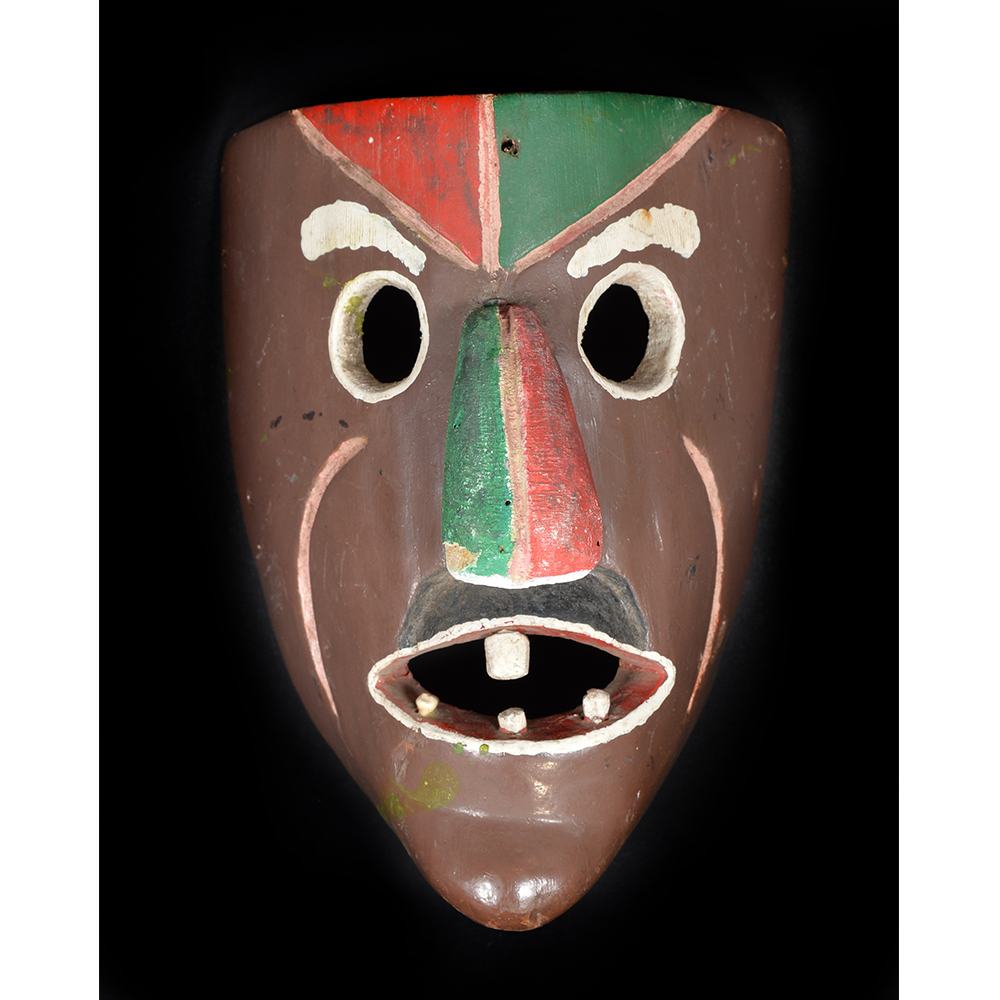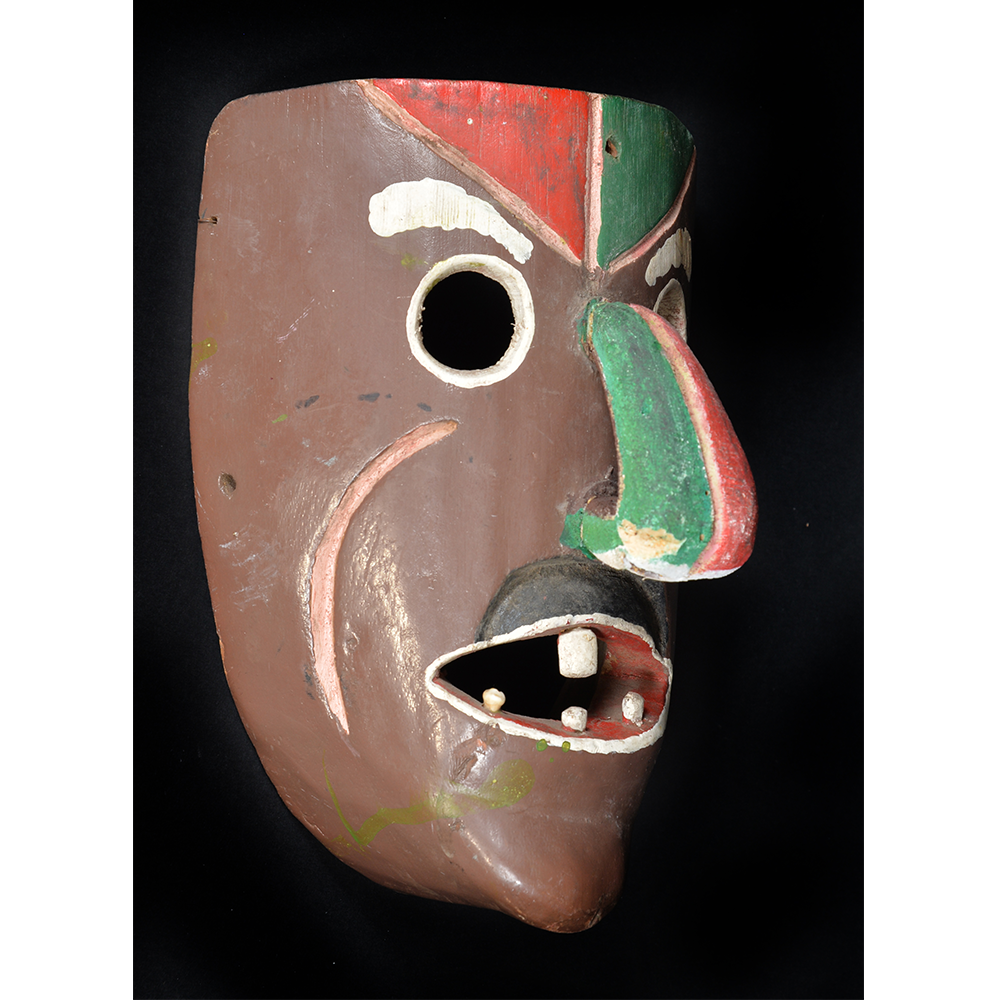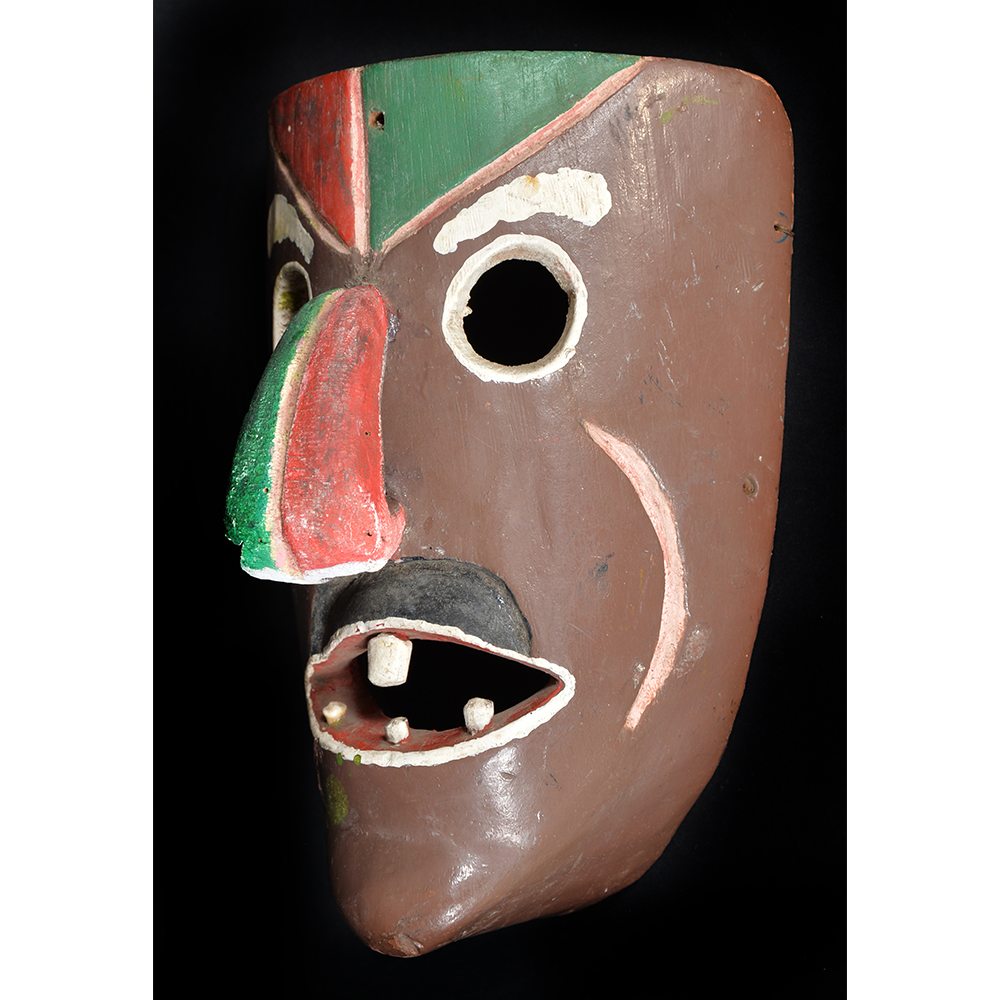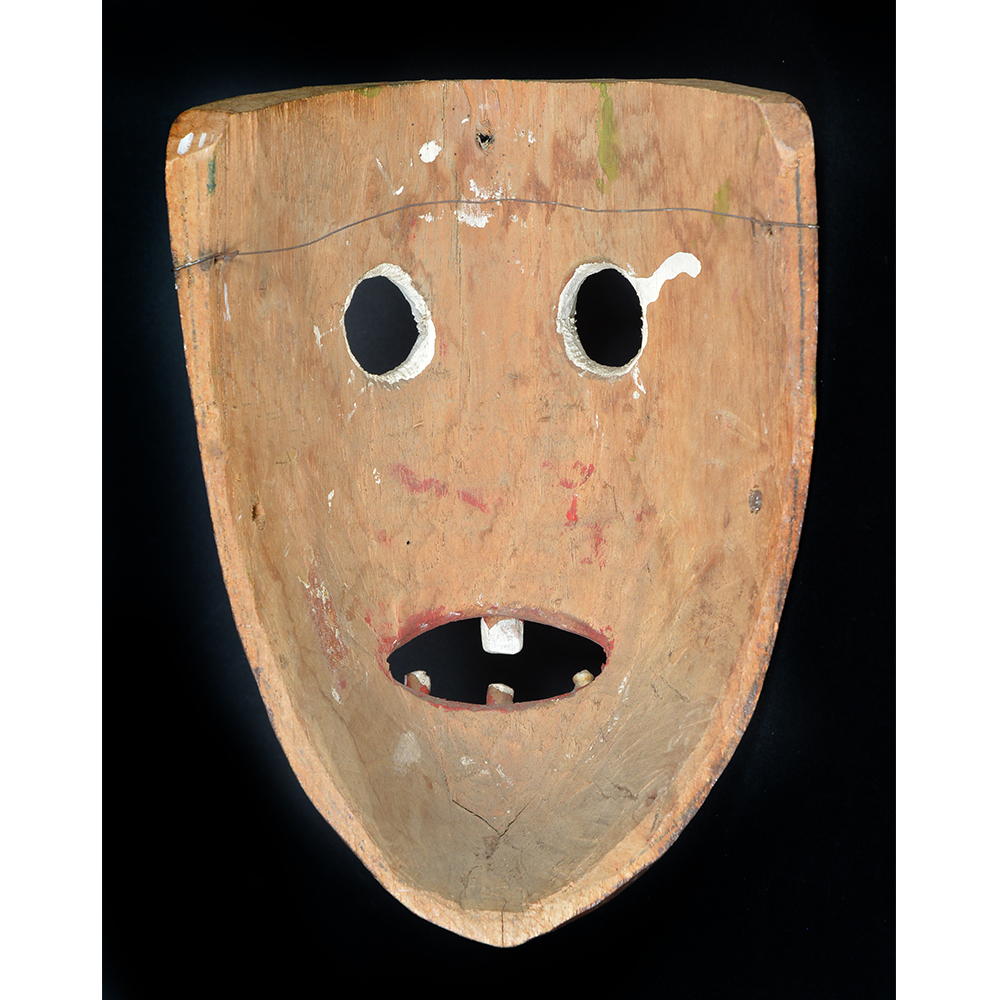
TITLE: Javanese Hanuman
TYPE: face mask
GENERAL REGION: Asia
COUNTRY: Indonesia
SUBREGION: Java
ETHNICITY: Javanese
DESCRIPTION: Hanuman Mask
CATALOG ID: ASID036
MAKER: Unknown
CEREMONY: Wayang Wong Dance Drama
AGE: ca. 1950s
MAIN MATERIAL: wood
OTHER MATERIALS: paint

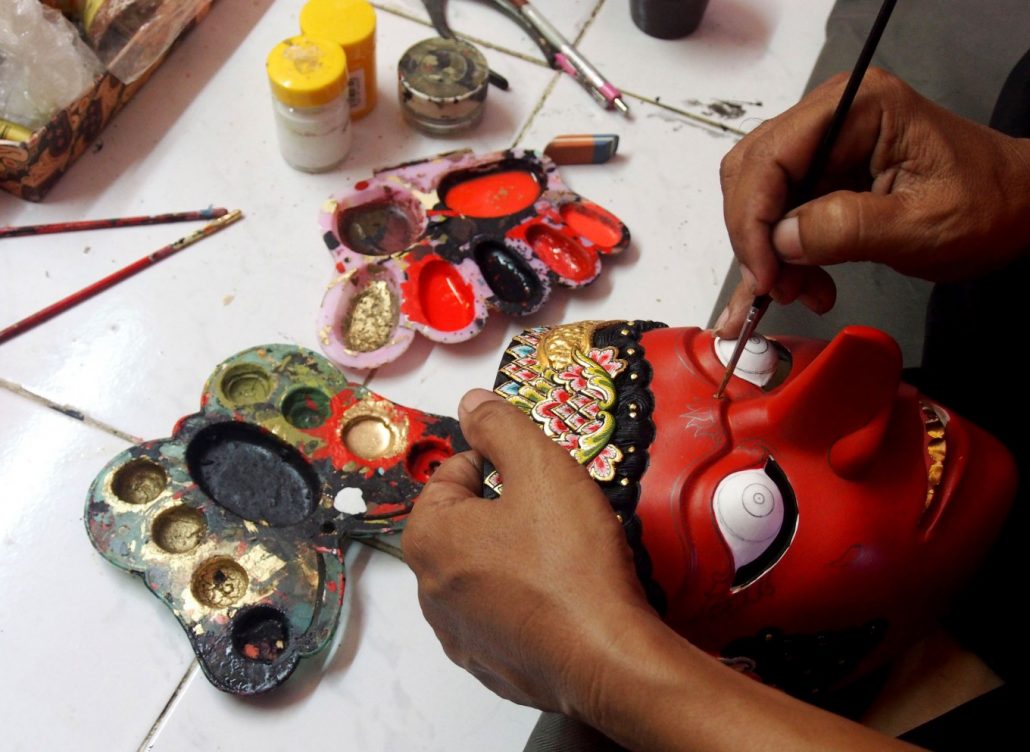
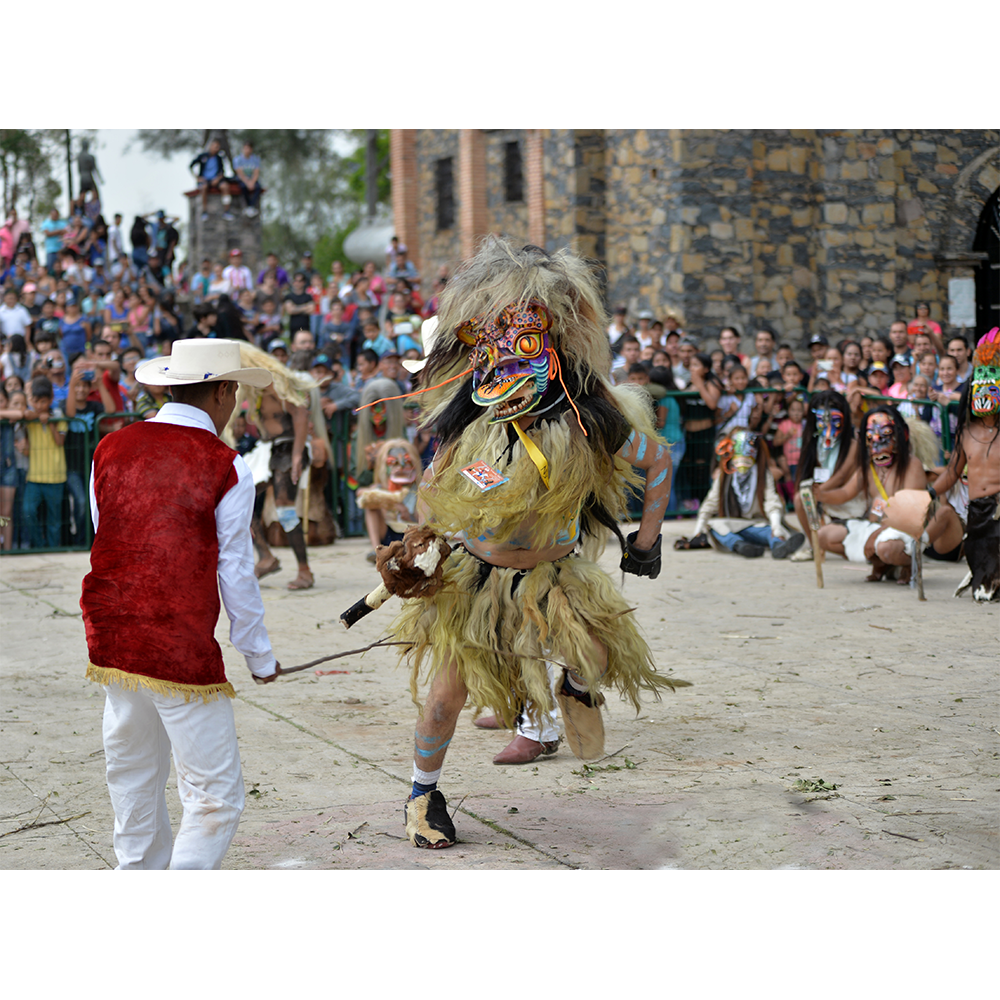
The Wayang Wong dance drama retells parts of the Hindu epics, the Ramayana and the Mahabharata. These epics revolve around the god Rama and his battle with the demon king Ravana, who has abducted Rama’s wife, Sita. Rama is the avatar (earthly embodiment) of the supreme god Vishnu. In the end, Rama retrieves her with the help of the wily monkey god, Hanuman.

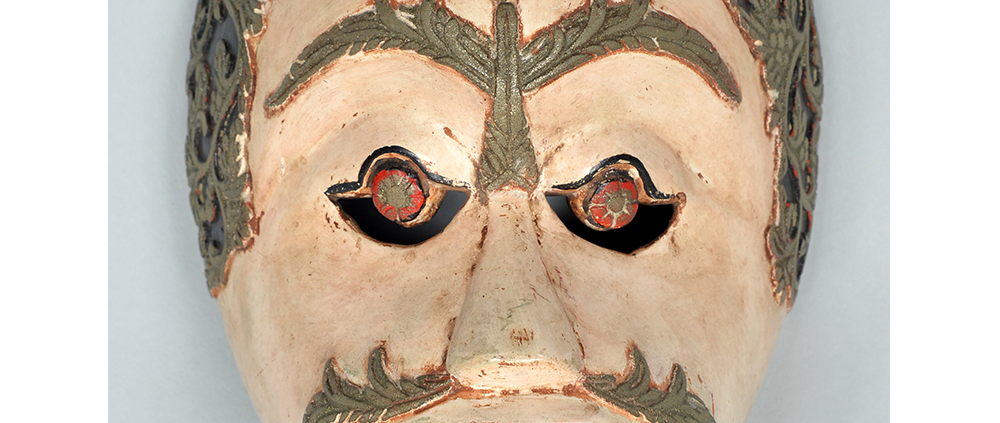
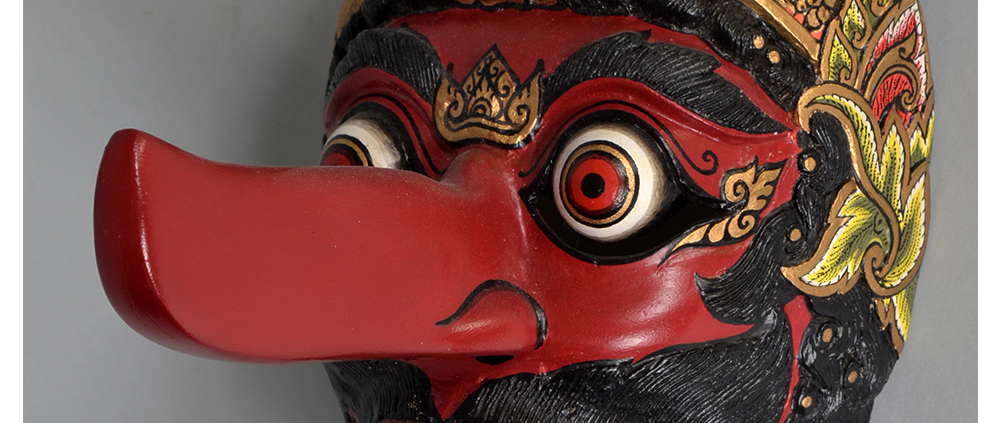
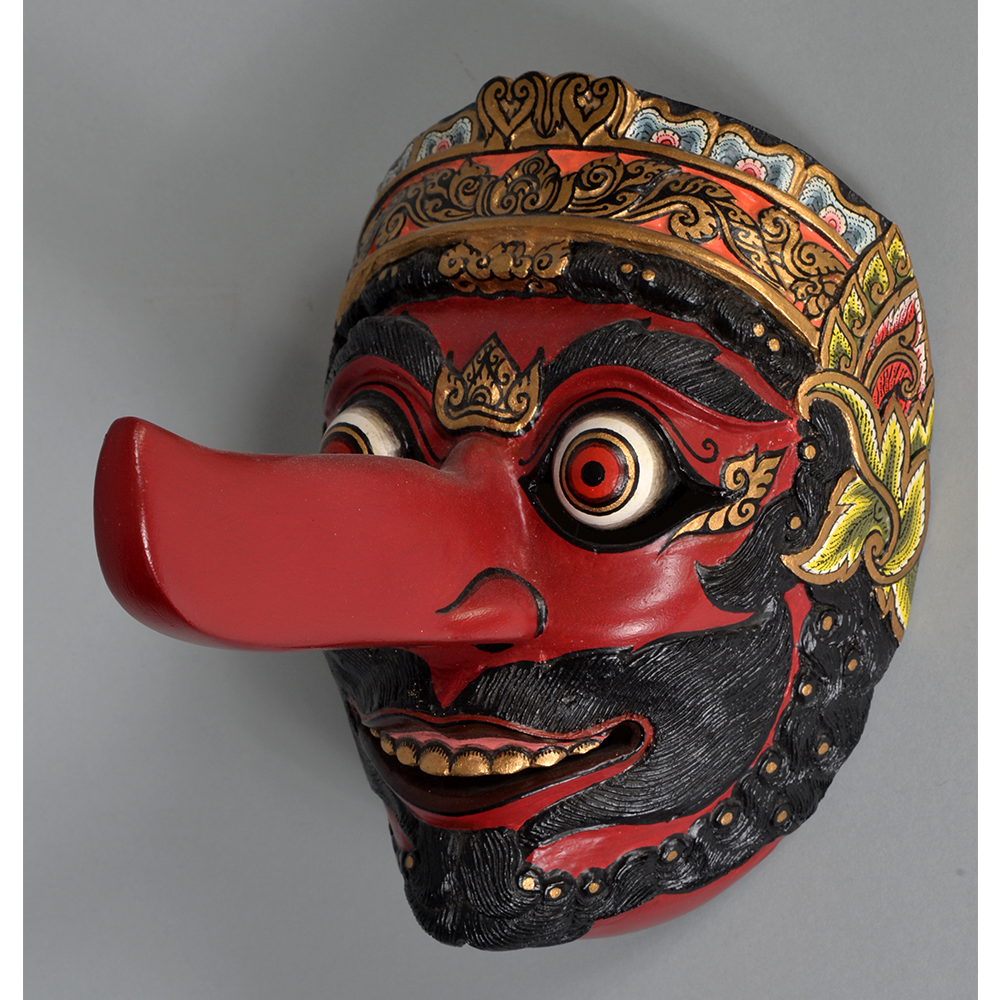
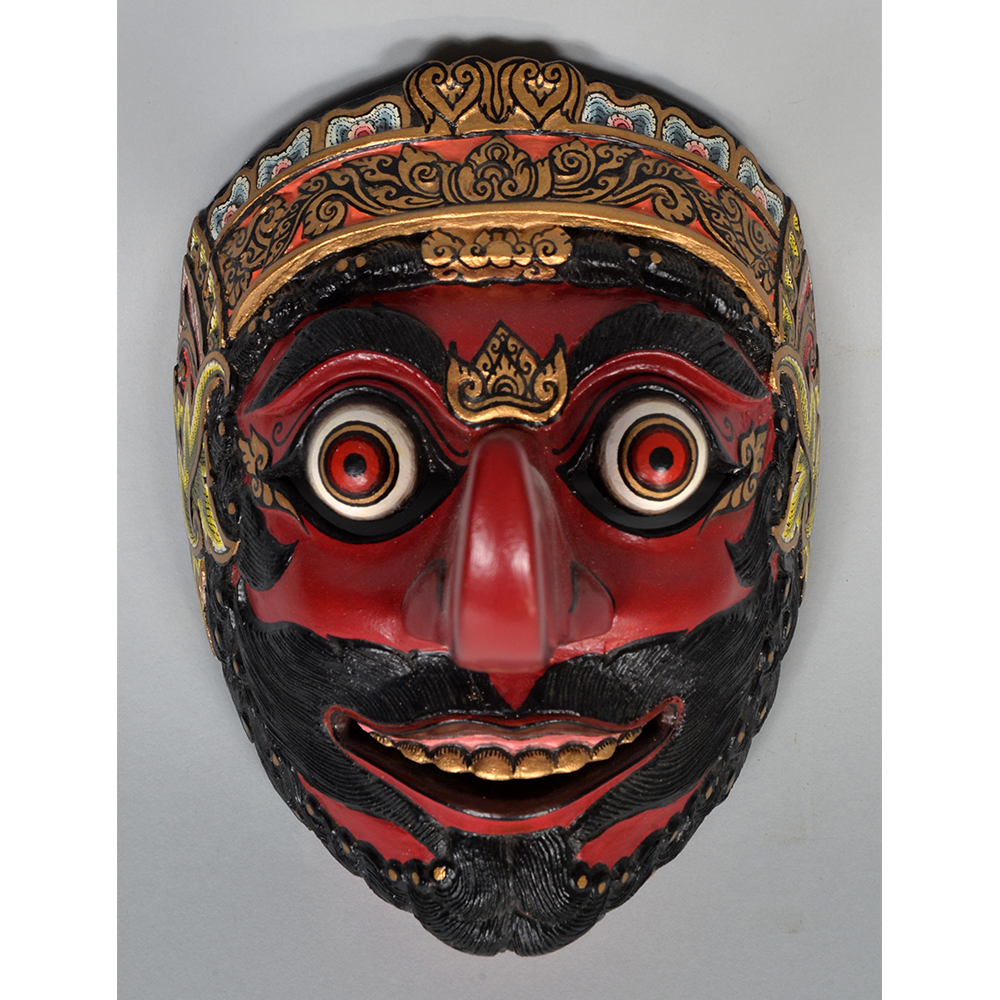
This specific mask represents the heroic Hanuman, who assists Rama by battling Ravana and his demonic minions.

:

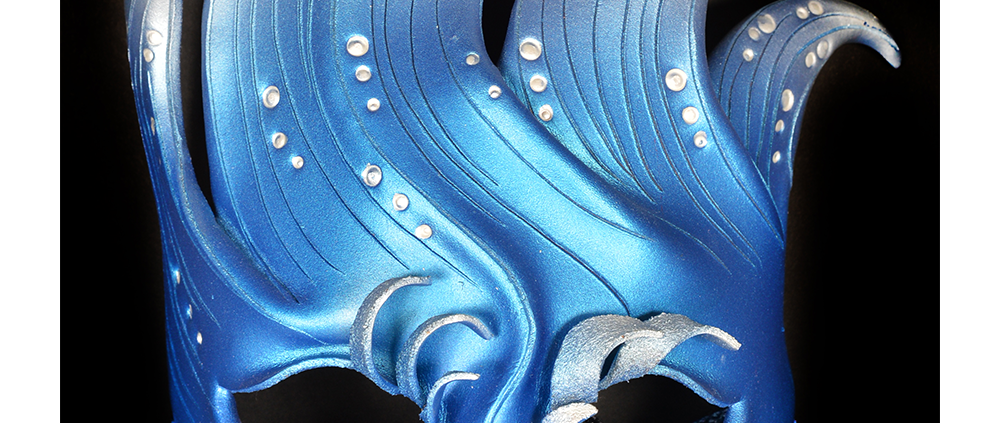
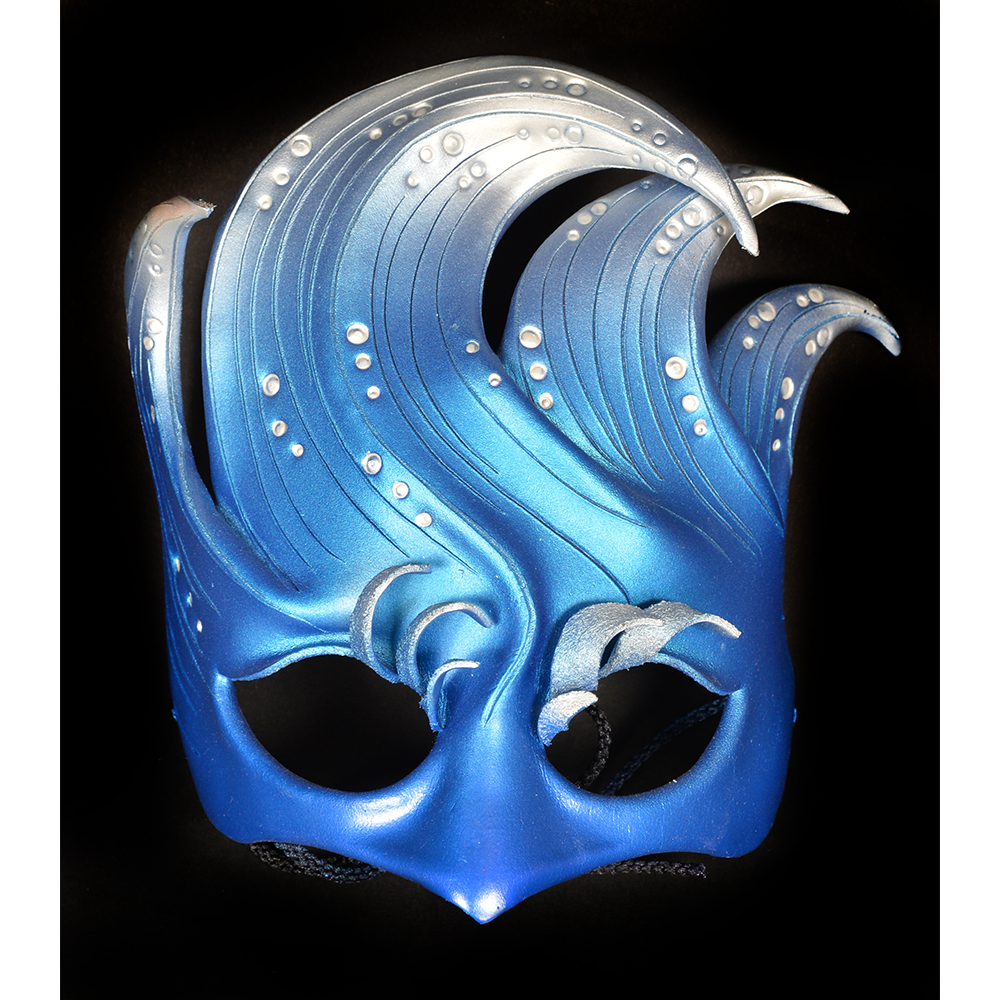
TITLE: Mardi Gras Water Spirit
TYPE: face mask
GENERAL REGION: North America
COUNTRY: United States of America
SUB-REGION: New Orleans, Louisiana
ETHNICITY: Mixed
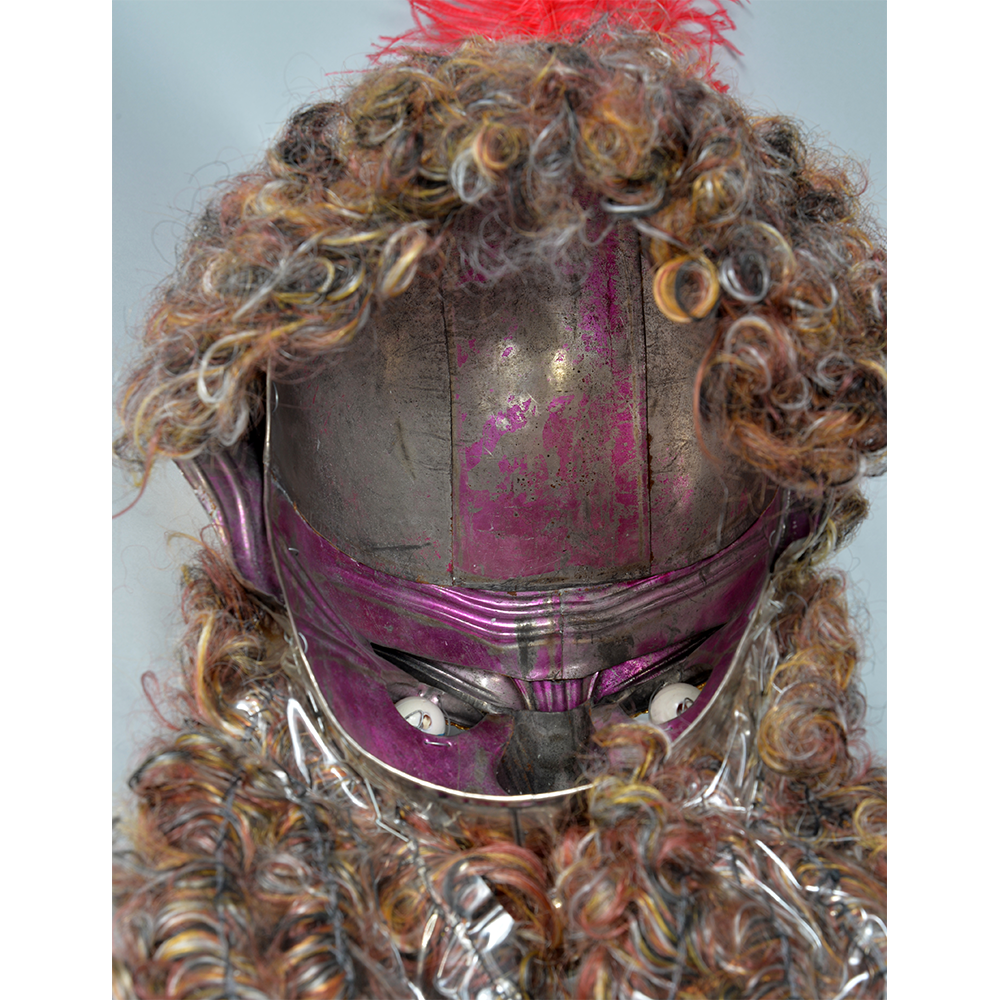
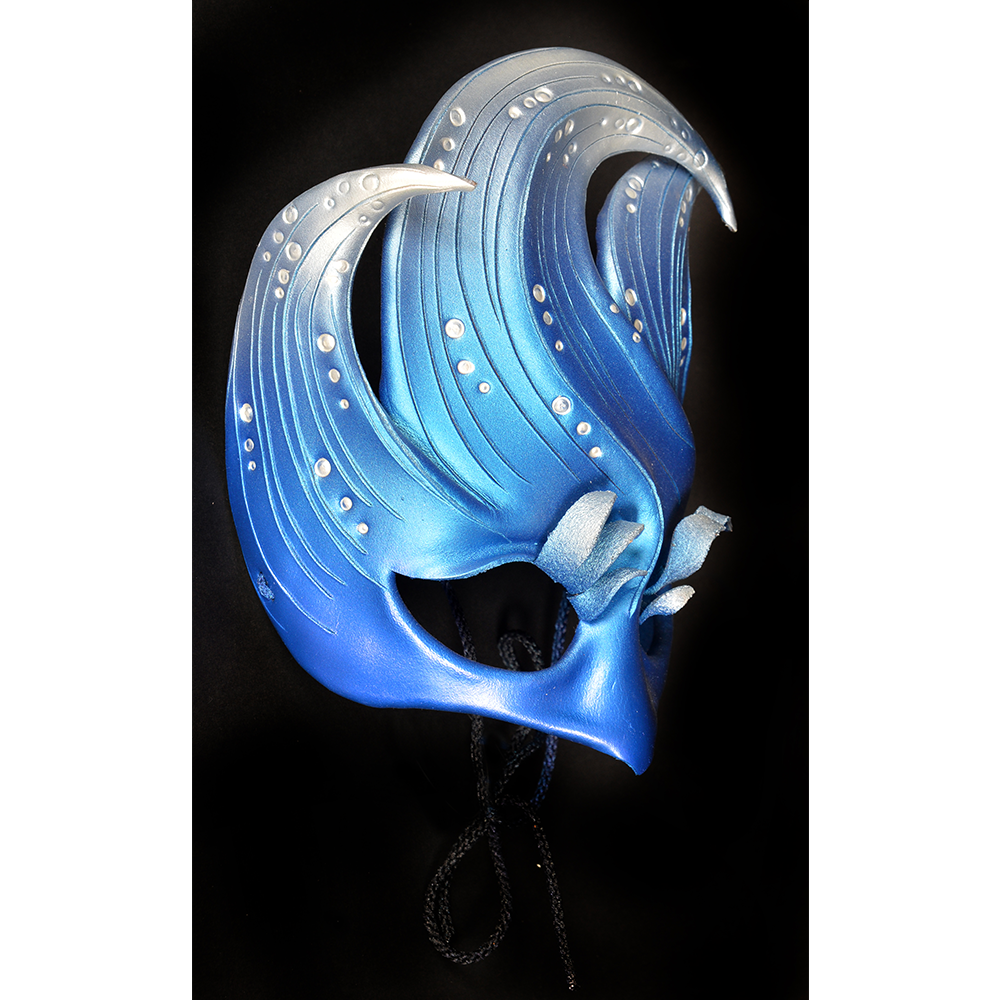
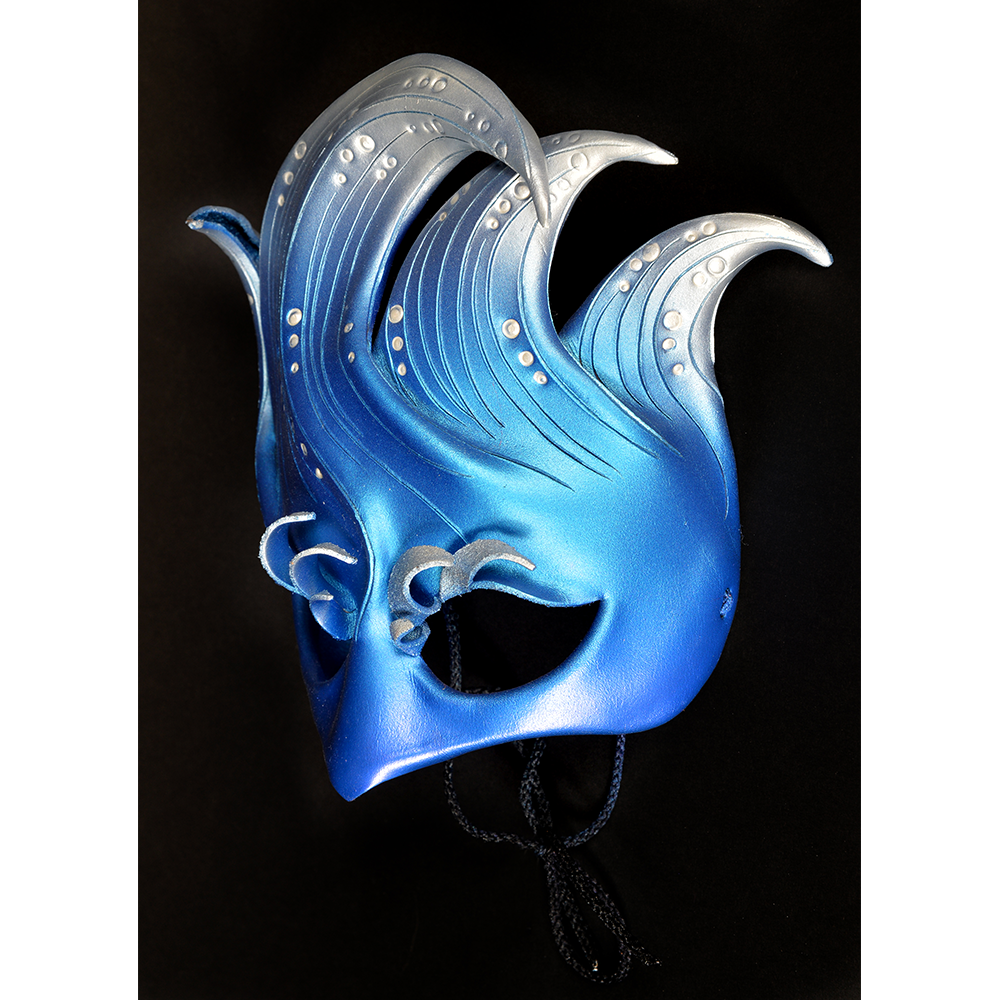
DESCRIPTION: Leather water spirit mask
CATALOG ID: NAUS063
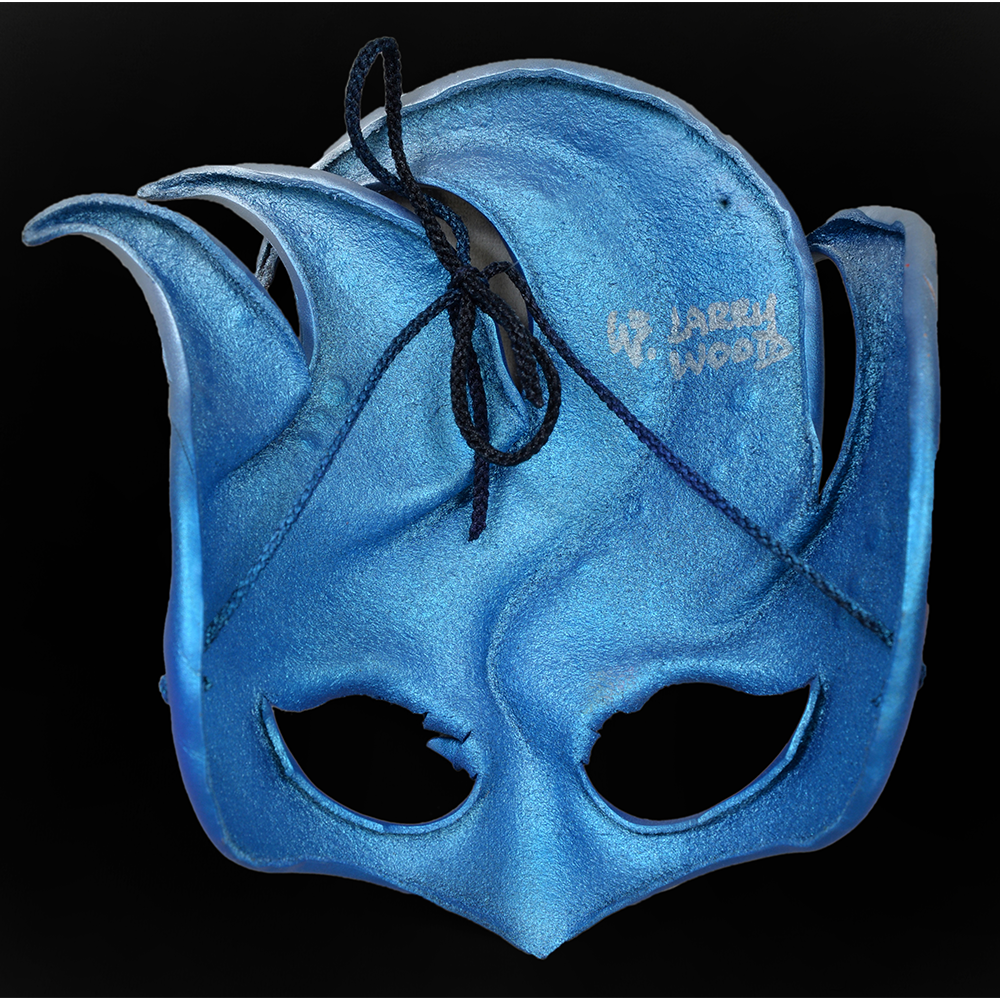
MAKER: Lawrence D. Wood (Crownsville, Maryland, 1950- )
CEREMONY: Mardi Gras
AGE: 2013
MAIN MATERIAL: leather
OTHER MATERIALS: acrylic paint

In Catholic practice, Mardi Gras (“Fat Tuesday”) is the last day of celebration of Carnival before the fasting period of Lent. In the United States, the holiday is nowhere more vigorously celebrated than in New Orleans, Louisiana. There, a two-week Carnival season terminating on Mardi Gras is celebrated with parades composed of elaborate costumes and masks, floats, marching bands, all organize by private “krewes” composed of public-spirited citizens dedicated to preserving the Mardi Gras tradition. Krewes tend to have a fairly constant structure of officers, who frequently ride horseback in handsome costumes and white draped masks, float riders who chuck “throws,” or small gifts such as plastic beaded necklaces, toys, or mementos (usually with the krewe’s name and insignia) into the cheering crowds, and a guest “king” and “queen” of the krewe.

Mardi Gras in New Orleans is also typically celebrated with formal balls held by the krewes in honor of the king and queen, and to celebrate the season.  Mask wearing among street celebrants is common as well. Traditionally, Mardi Gras masks are made of formed and painted leather, and can represent any character from real life or fantasy.  In modern practice, cheap masks mass manufactured of sequined cloth or paper maché covered in dyed feathers have become common.


Click above to watch a short documentary about Mardi Gras in New Orleans, Louisiana in 2019 and 2020.

:

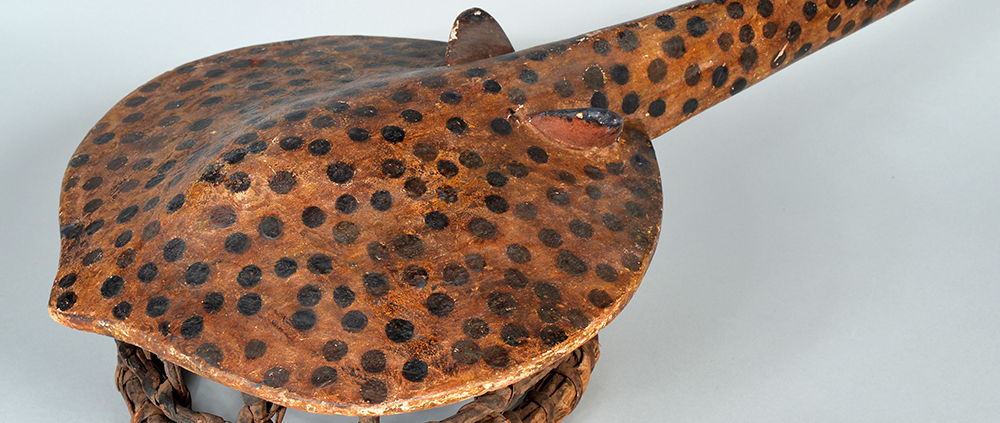
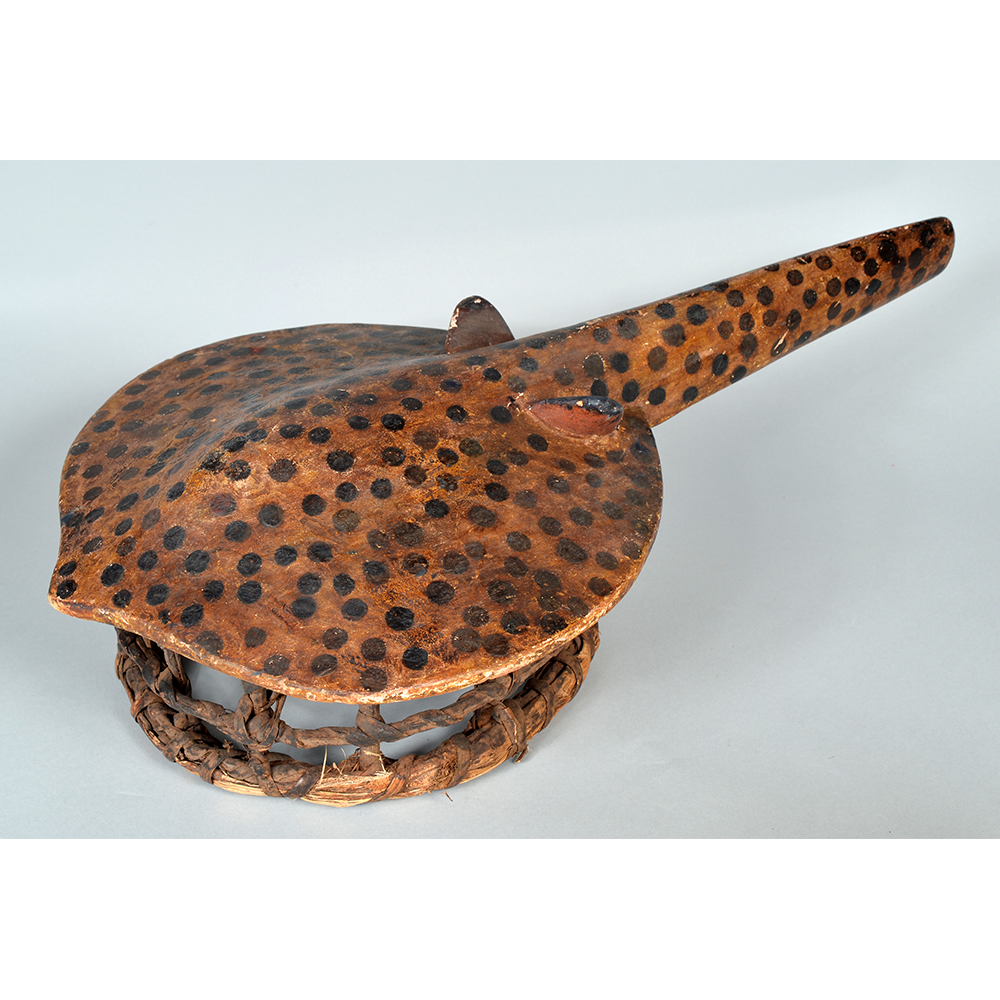
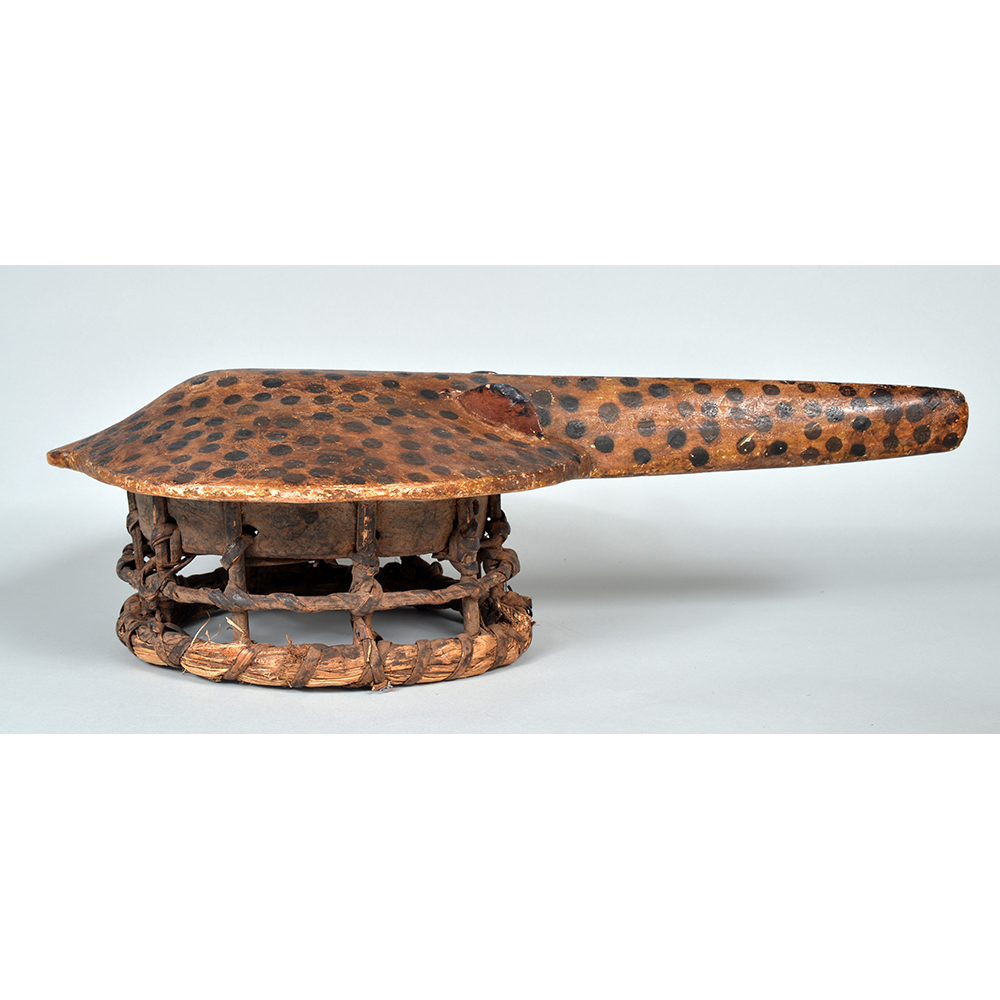
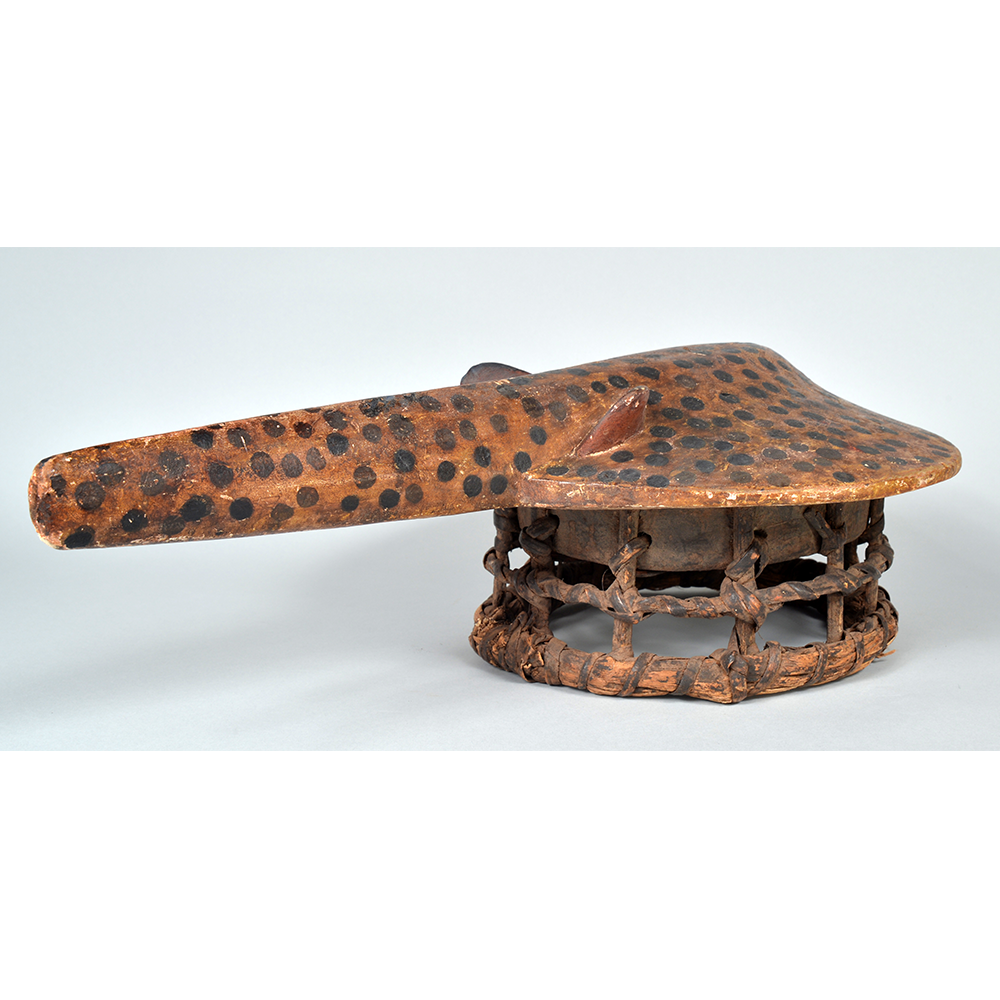
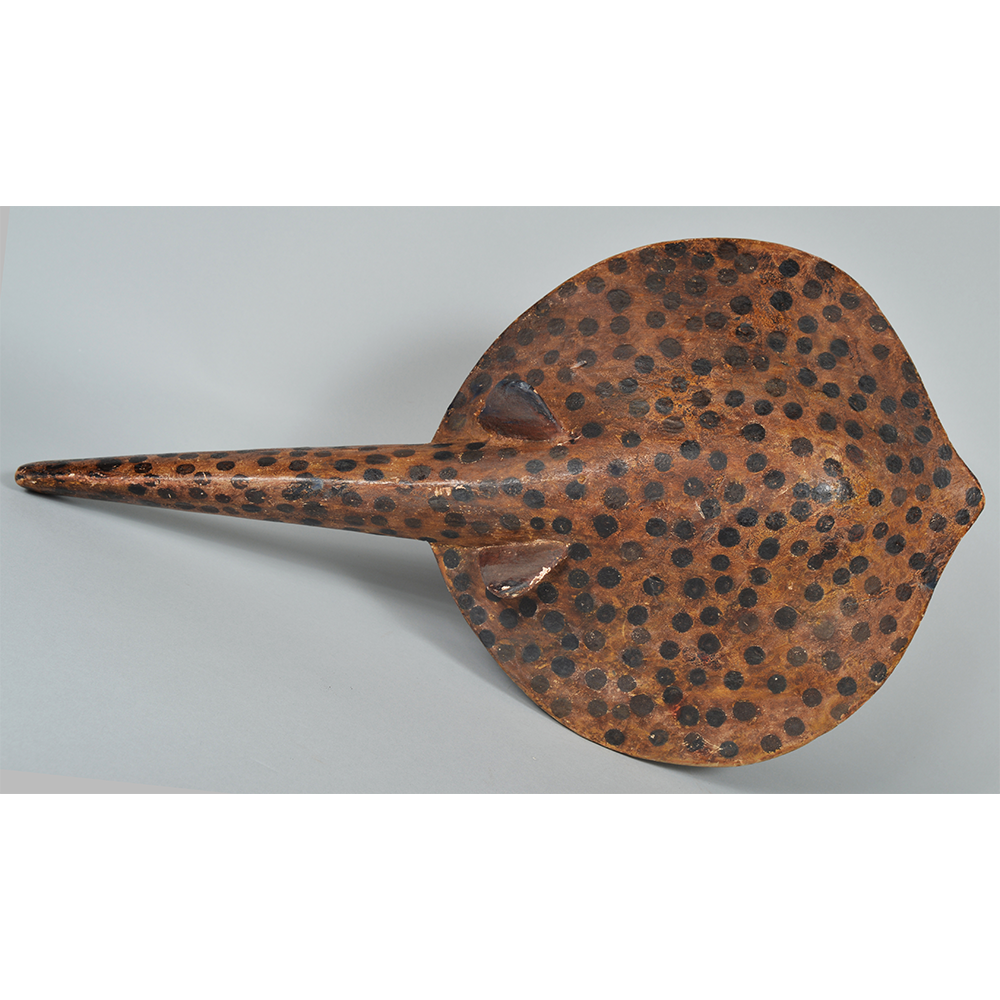
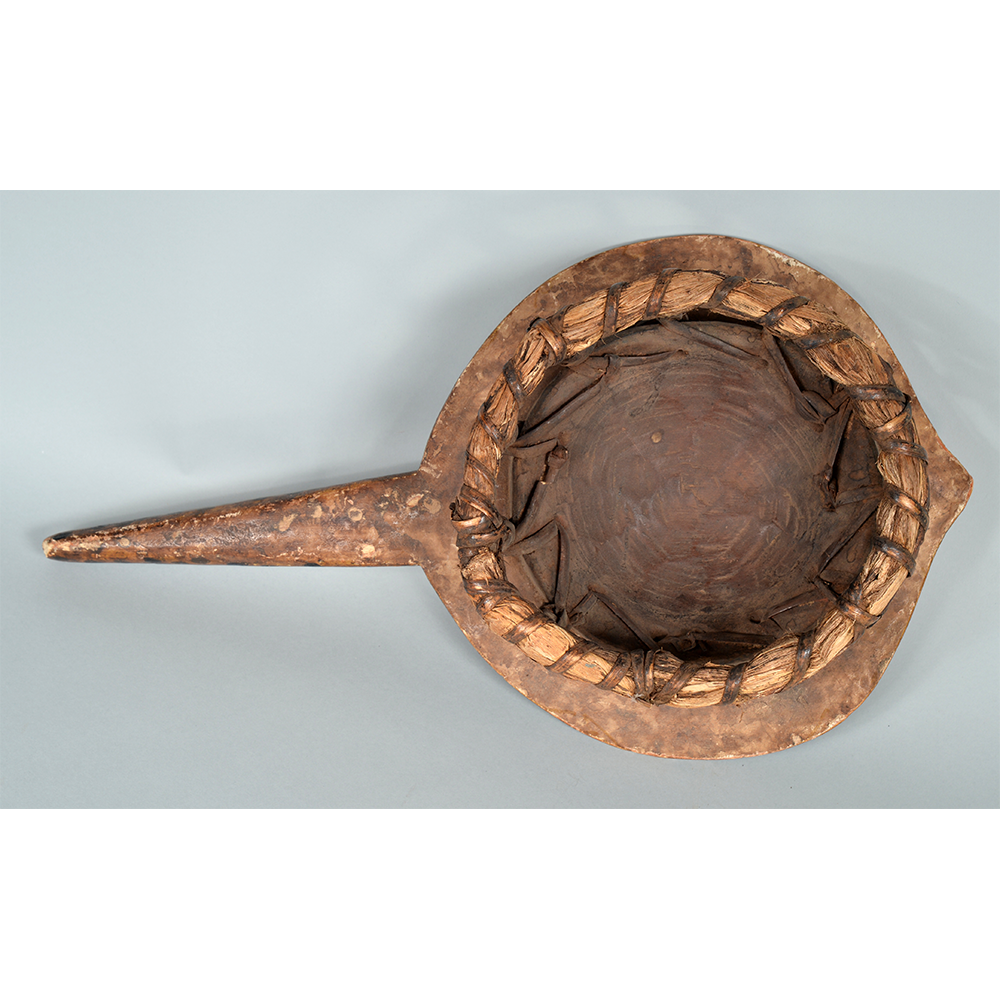
TITLE: Ijo Stingray Crest Mask
TYPE: crest mask
GENERAL REGION: Africa
COUNTRY: Nigeria
SUBREGION: southeast
ETHNICITY: Ijo
DESCRIPTION: Stingray Water Spirit Crest Mask
CATALOG ID: AFNG003
MAKER: Unknown
CEREMONY: Celebration; Spirit Invocation
AGE: 1970s
MAIN MATERIAL: wood
OTHER MATERIALS: cane; pigment

Among the animistic Ijo (also known as Ijaw) people of southeastern Nigeria, both land and water spirits pervade the world. The Ijo are a large ethnic group comprised of 12 to 15 million persons. They are primarily fishers and farmers. The Ijo consider water spirits in particular benevolent to humans, and the Ijo have festivals celebrating and invoking the beneficence of many individual spirits, including the hippopotamus, crocodile, swordfish, and python. This mask is worn atop the head and represents a stingray.

:

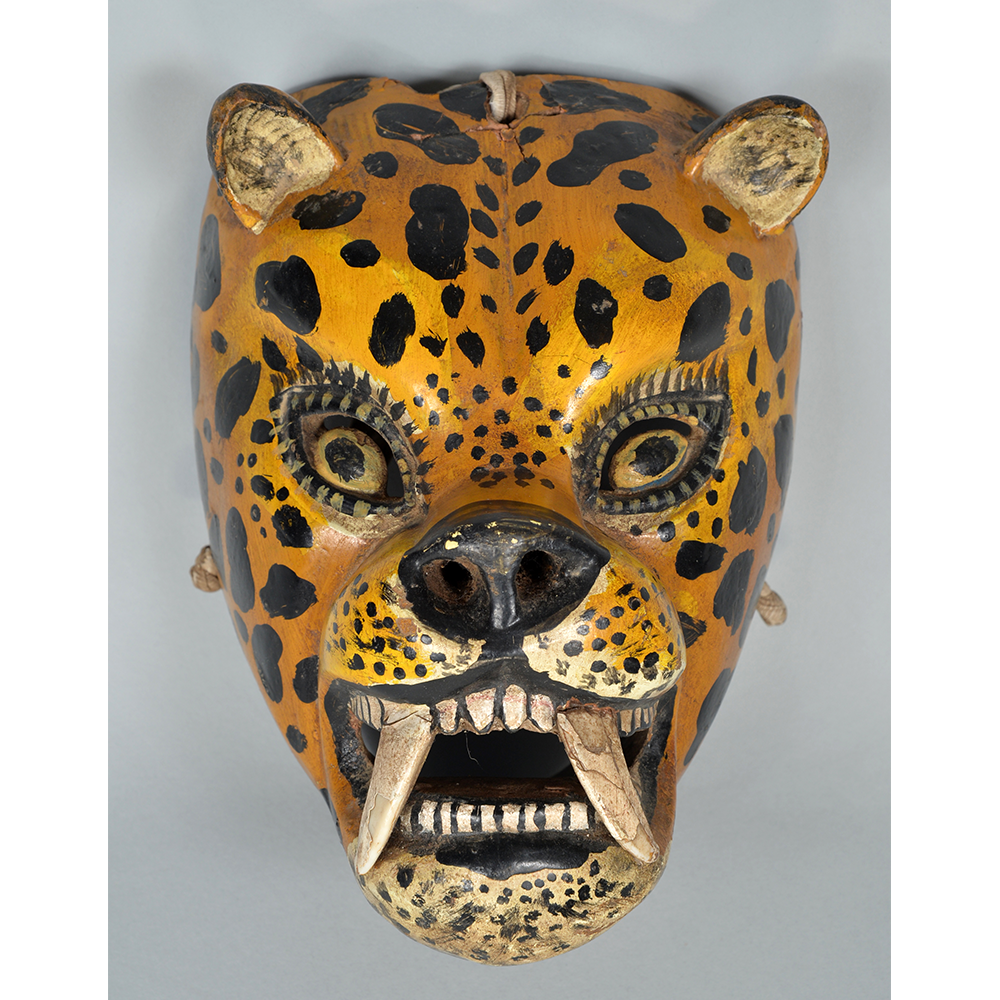
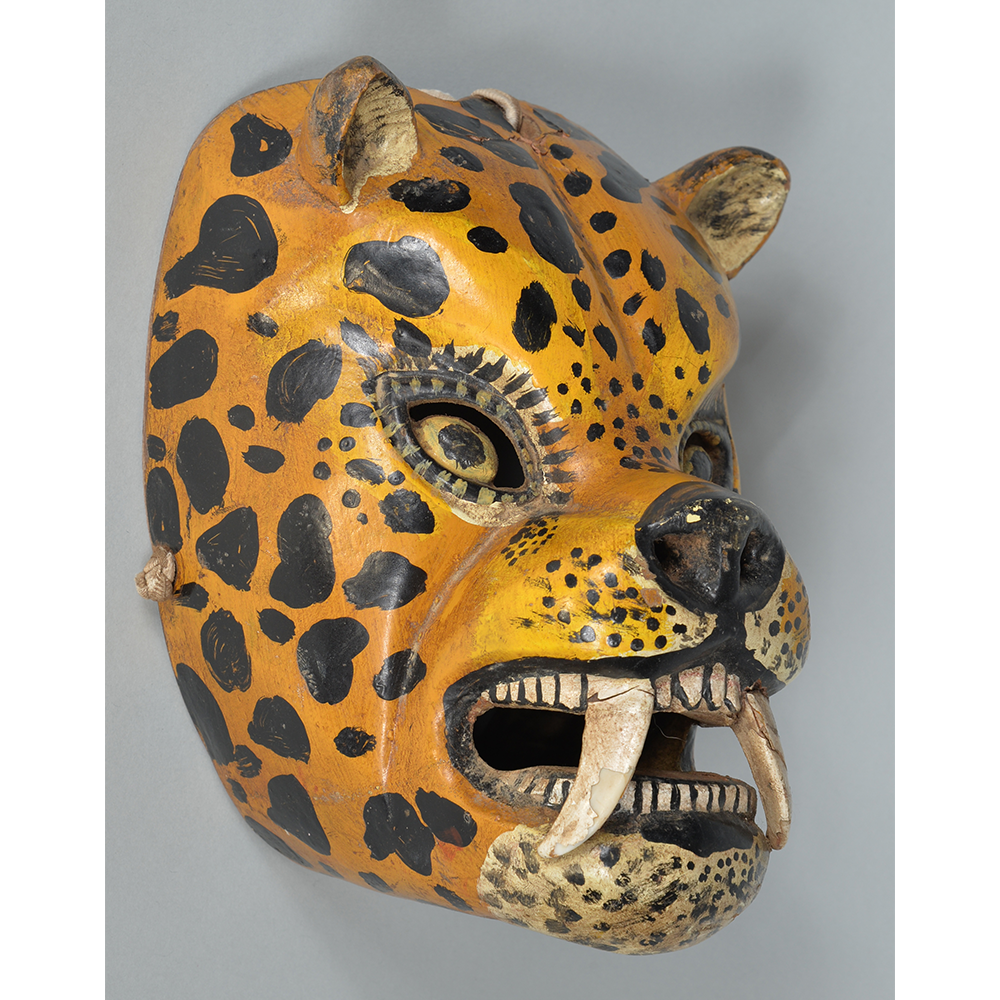
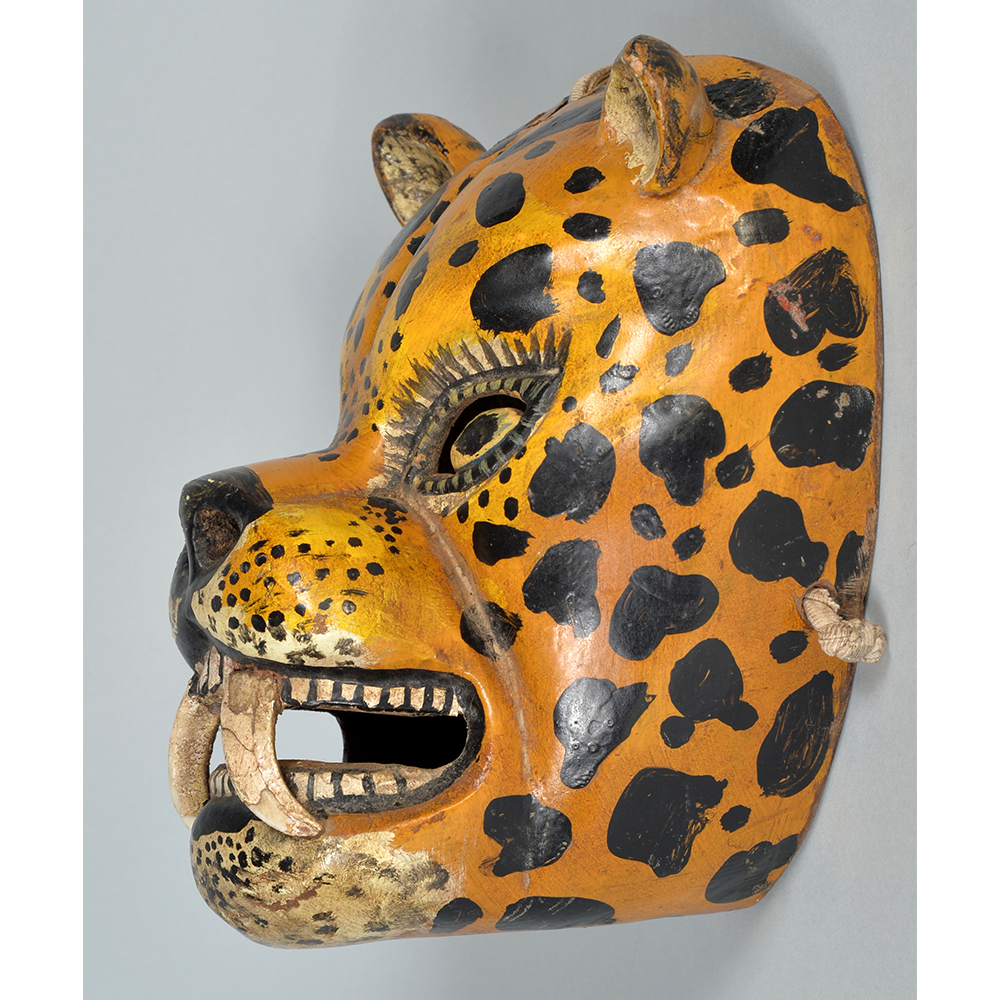
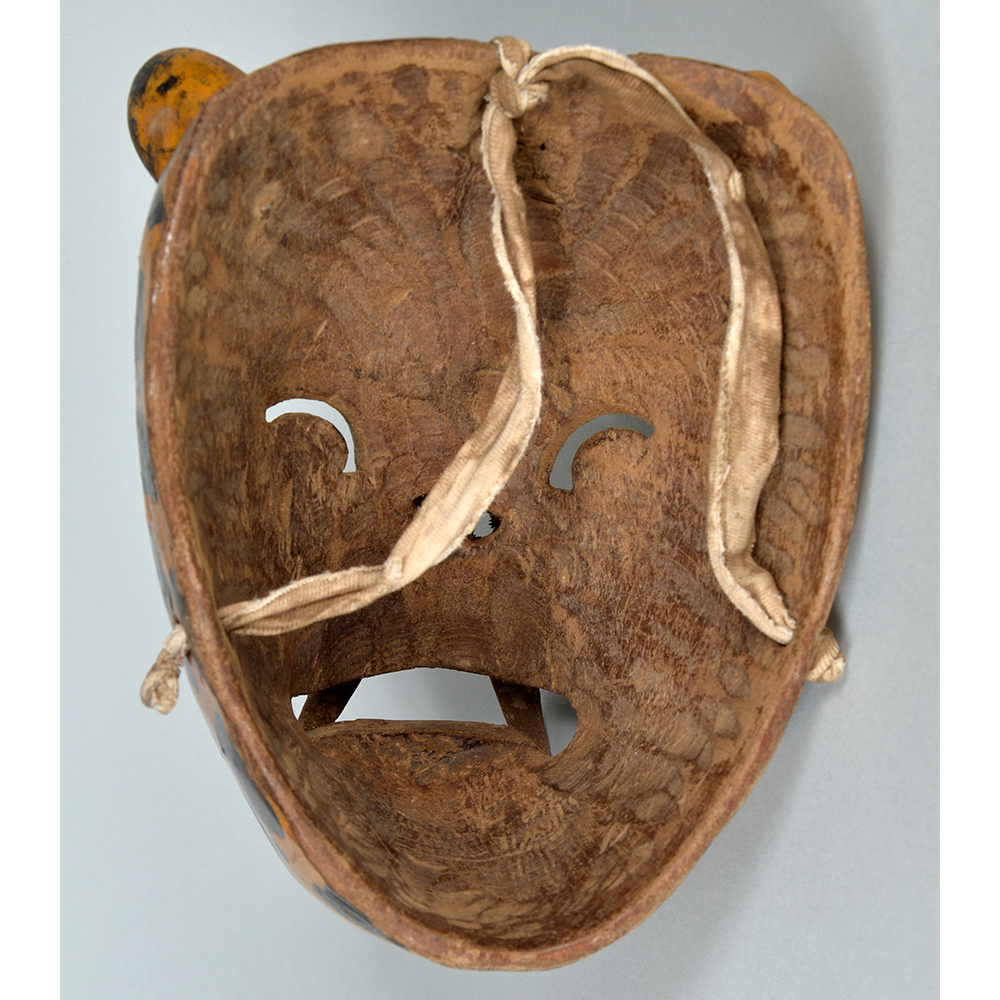
TITLE: Jaguar Mask
TYPE: face mask
GENERAL REGION: Latin America
COUNTRY: Mexico
SUBREGION: Puebla
ETHNICITY: Mixtec
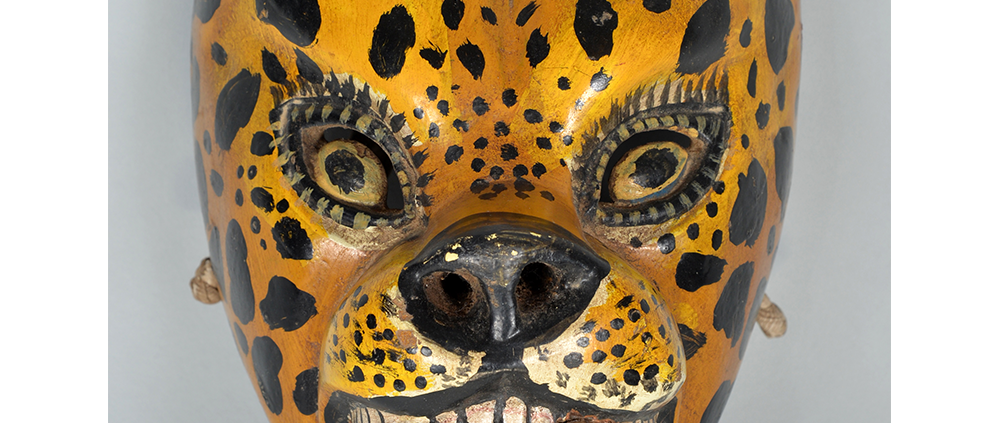
DESCRIPTION: Tecuan (Jaguar) Mask
CATALOG ID: LAMX104
MAKER: Unknown
CEREMONY: Danza de los Tecuanes
AGE: 1960s-1970s
MAIN MATERIAL: wood
OTHER MATERIALS: paint; boar teeth; cotton straps

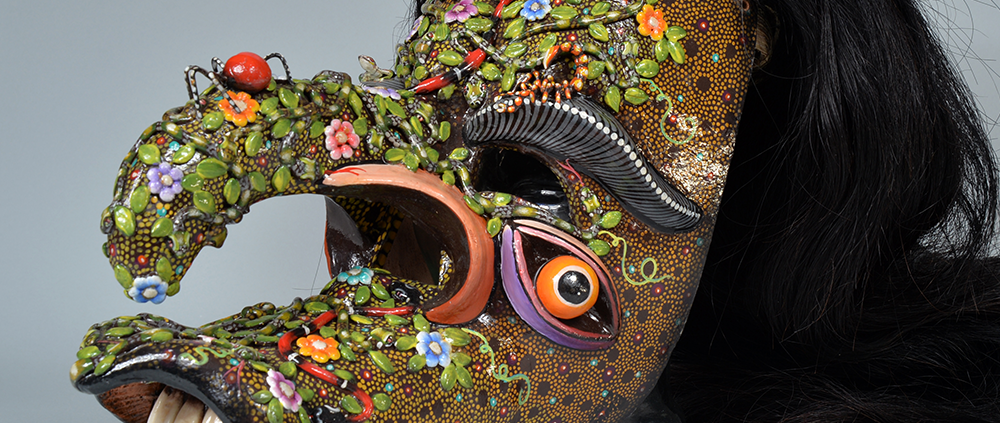
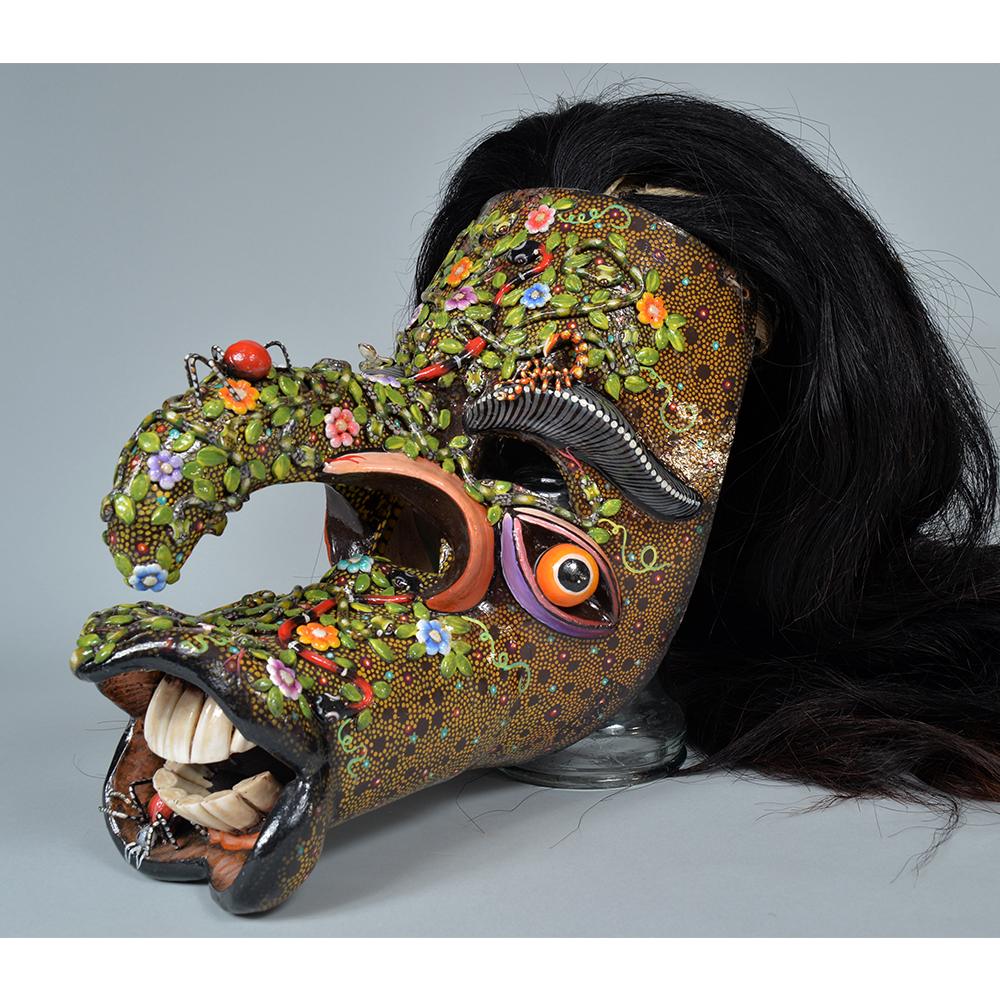
In parts of Puebla, the Mixtec people celebrate the Danza de los Tecuanes (Dance of the Man-Eaters) in the summer, a dance-drama similar to one celebrated in parts of Guerrero as well. In Puebla, the drama is sometimes known as La Muerte del Tigre (Death of the Jaguar), and tells the story of farmers, sometimes called elders (viejos), who band together to hunt a jaguar that has been killing their domestic goats. The performance is danced to the traditional music of flutes and drums.

For more on masks from Puebla, see Bryan J. Stevens, Mexican Masks and Puppets: Master Carvers of the Sierra de Puebla (Atglen, Pennsylvania: Schiffer Pub’g, 2012).

:

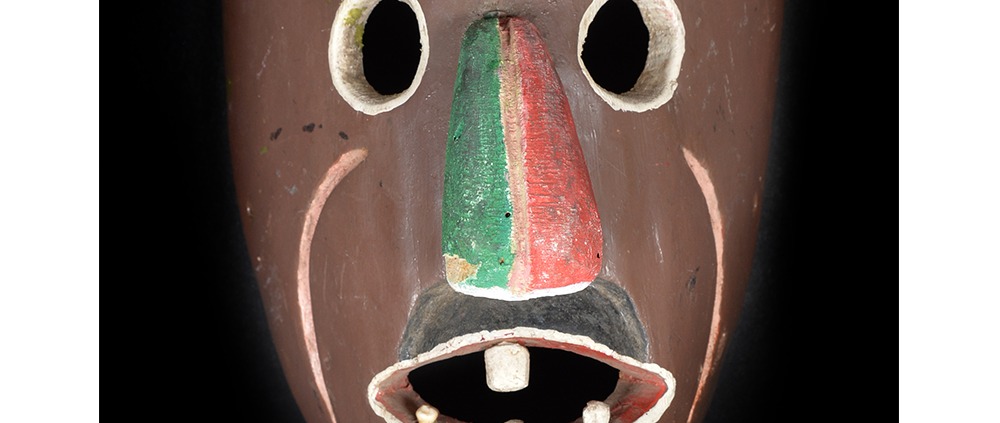
TITLE: Xantolo Mask
TYPE: face mask
GENERAL REGION: Latin America
COUNTRY: Mexico
SUBREGION: Hidalgo
ETHNICITY: Otomi
DESCRIPTION: Xantolo Mask
CATALOG ID: LAMX035
MAKER: Unknown
CEREMONY: Día de los Muertos
AGE: 1960s-1970s
MAIN MATERIAL: wood
OTHER MATERIALS: paint; glue

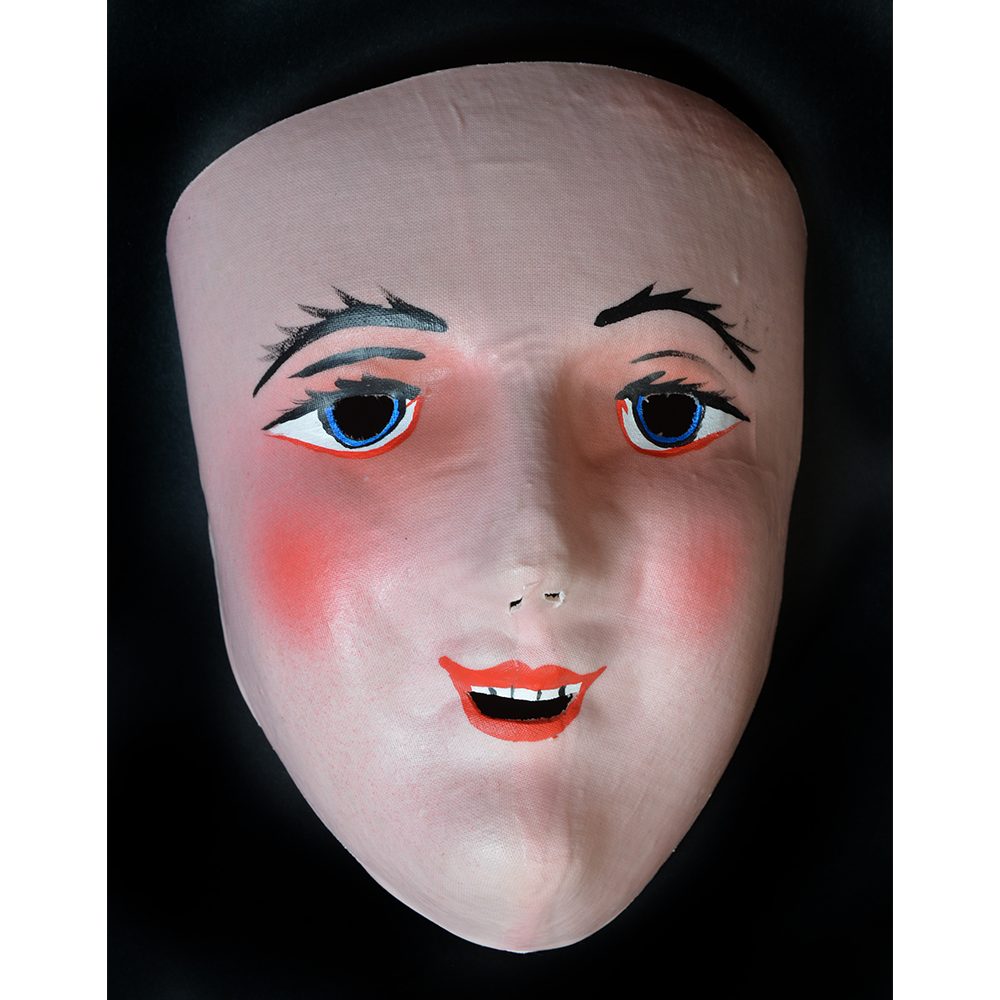
Día de los Muertos (Day of the Dead) is an annual celebration in Mexico whose origin dates back to the Aztecs. It was originally part of the cult of worship of the goddess Mictecacihuatl held during the summer, but with colonization it was syncretized to coincide with the Catholic holiday Allhallowtide. It is now primarily held on October 31 and November 1.

During Día de los Muertos, Mexican families set up altars (ofrendas) to memorialize departed loved ones and hold night-long vigils at their graves. It is believed that the spirits (fantasmas) visit their families, with the children returning on October 31 and the adults on November 1. The altars contain offerings of the things most enjoyed by the departed, primarily sweets and games for children and mescal, fruits, sweet bread (pan de muerto), and savory foods for adults.  In addition, townspeople in some places, such as Oaxaca and San Luís Potosí, hold costumed parades (comparsas), with such characters as skeletons (calaveras), Aztecs, and devils prominently represented, mixed more recently with Halloween characters taken from U.S. popular culture.

In the Huasteca region of Mexico, which spans its central gulf coast, the celebration includes masked dances to traditional music. Masks with geometric designs like this one are most common in the state of Hidalgo.
:

TITLE: Carnival Fantasy Mask
TYPE: face mask
GENERAL REGION: Europe
COUNTRY: Italy
SUBREGION: Venice
ETHNICITY: Italian
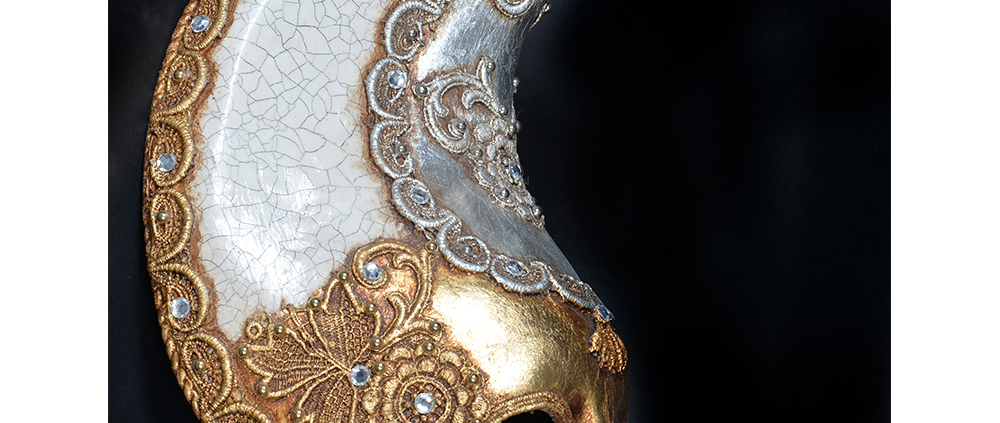
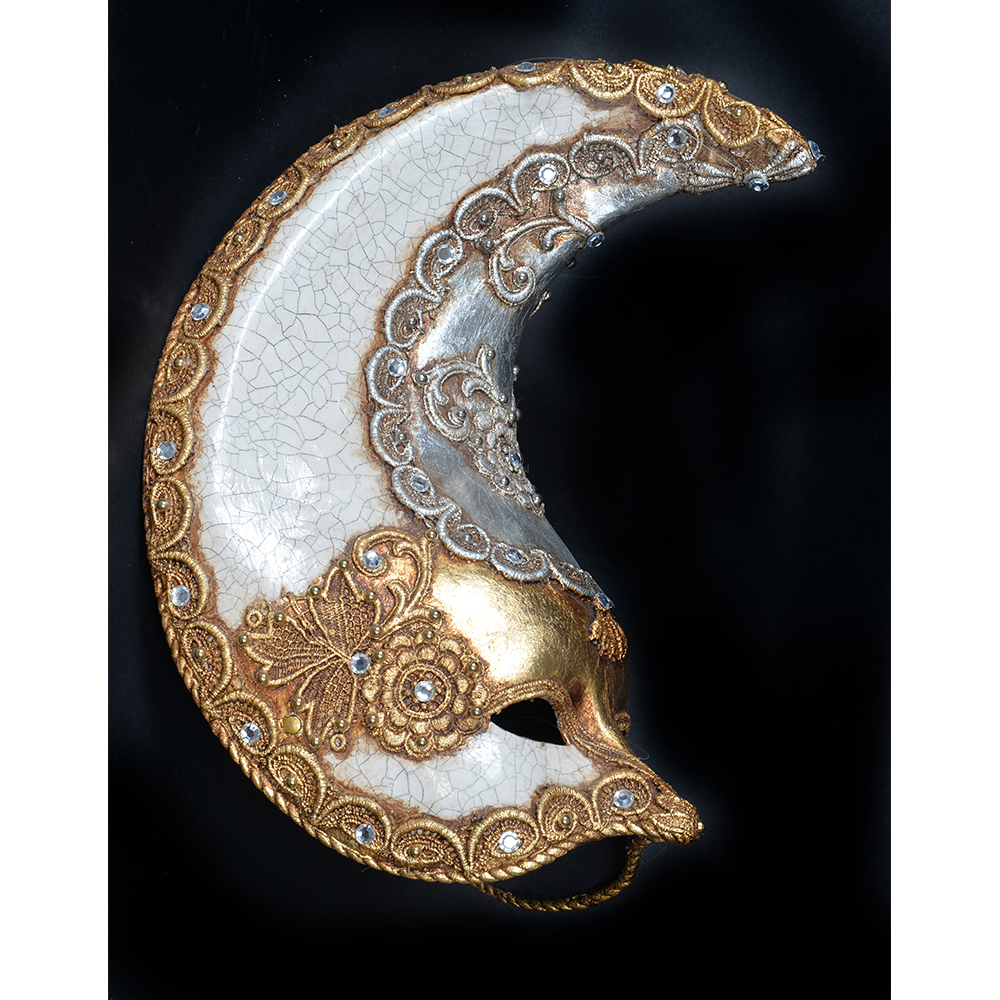
DESCRIPTION: Moon Carnival macramé mask
CATALOG ID: EUIT014
MAKER: Carta Alta, Venice
CEREMONY: Carnival
AGE: early 2000s
MAIN MATERIAL: paper maché
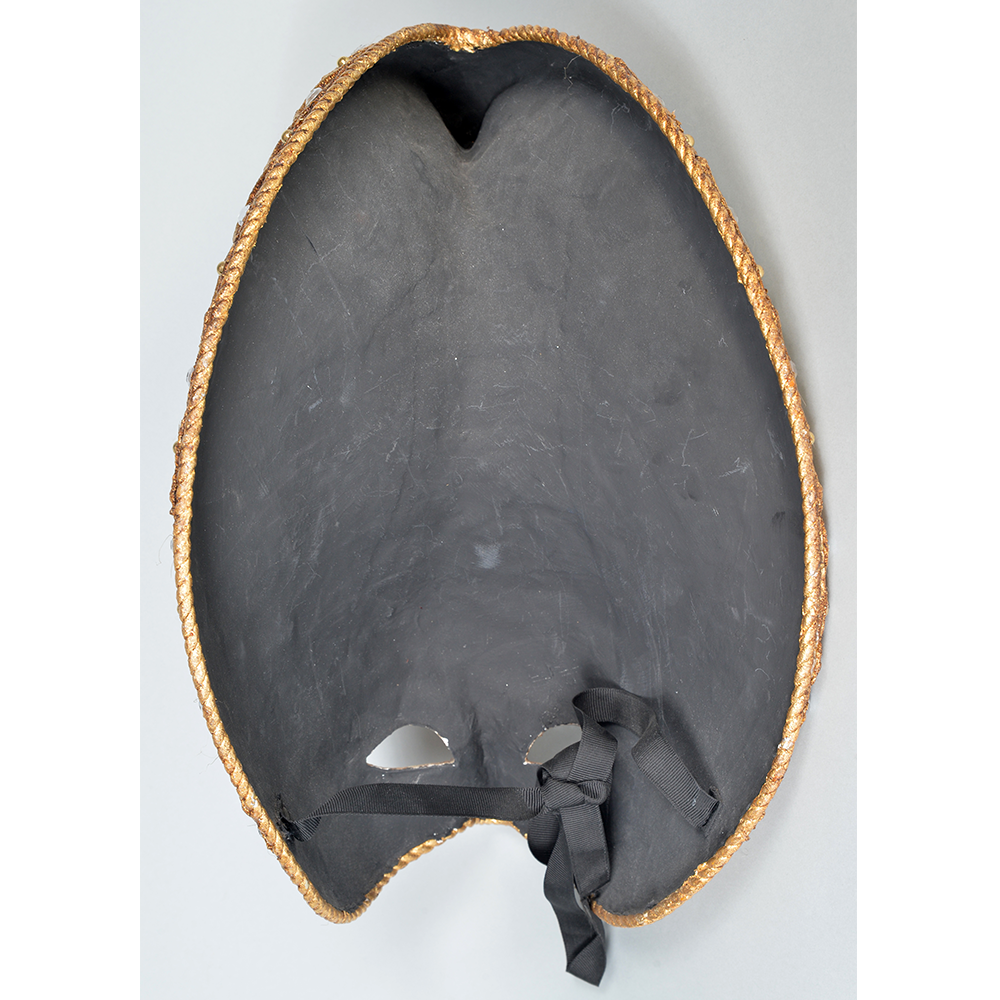
OTHER MATERIALS: macramé; paint; rhinestones; ribbon

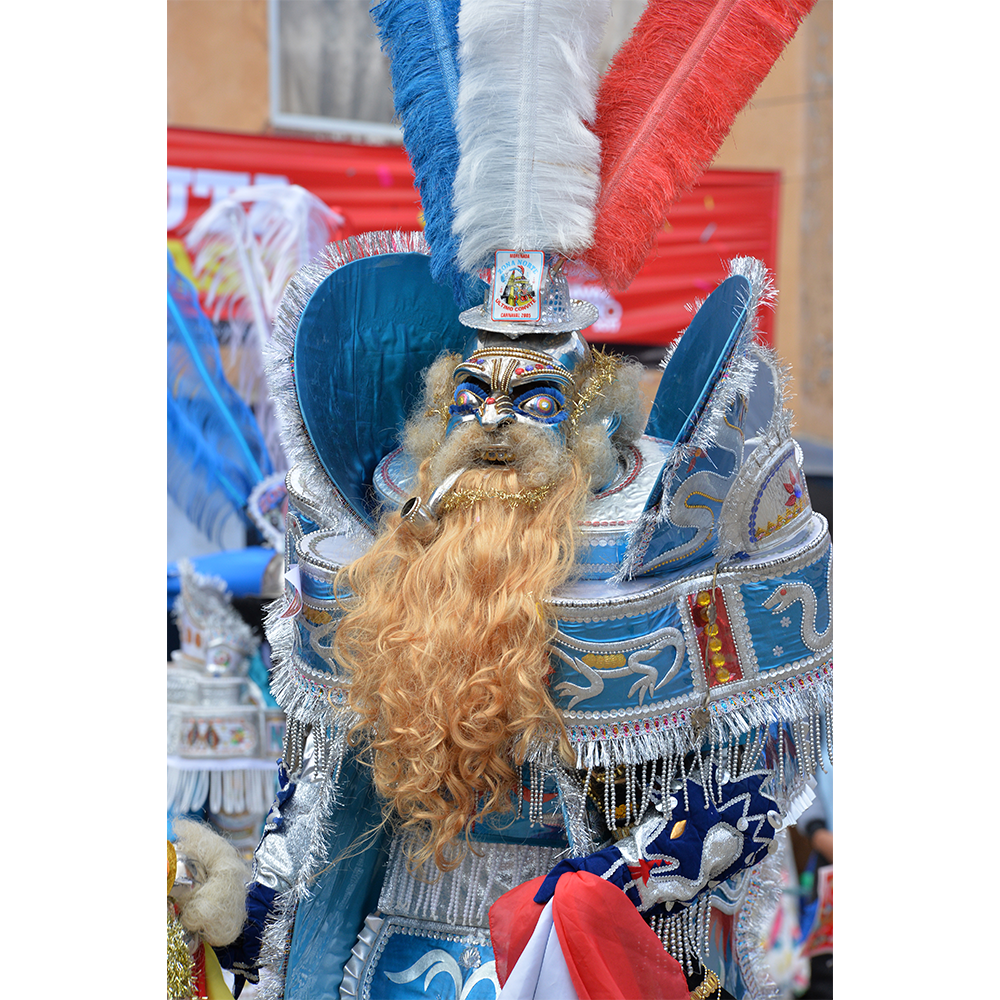
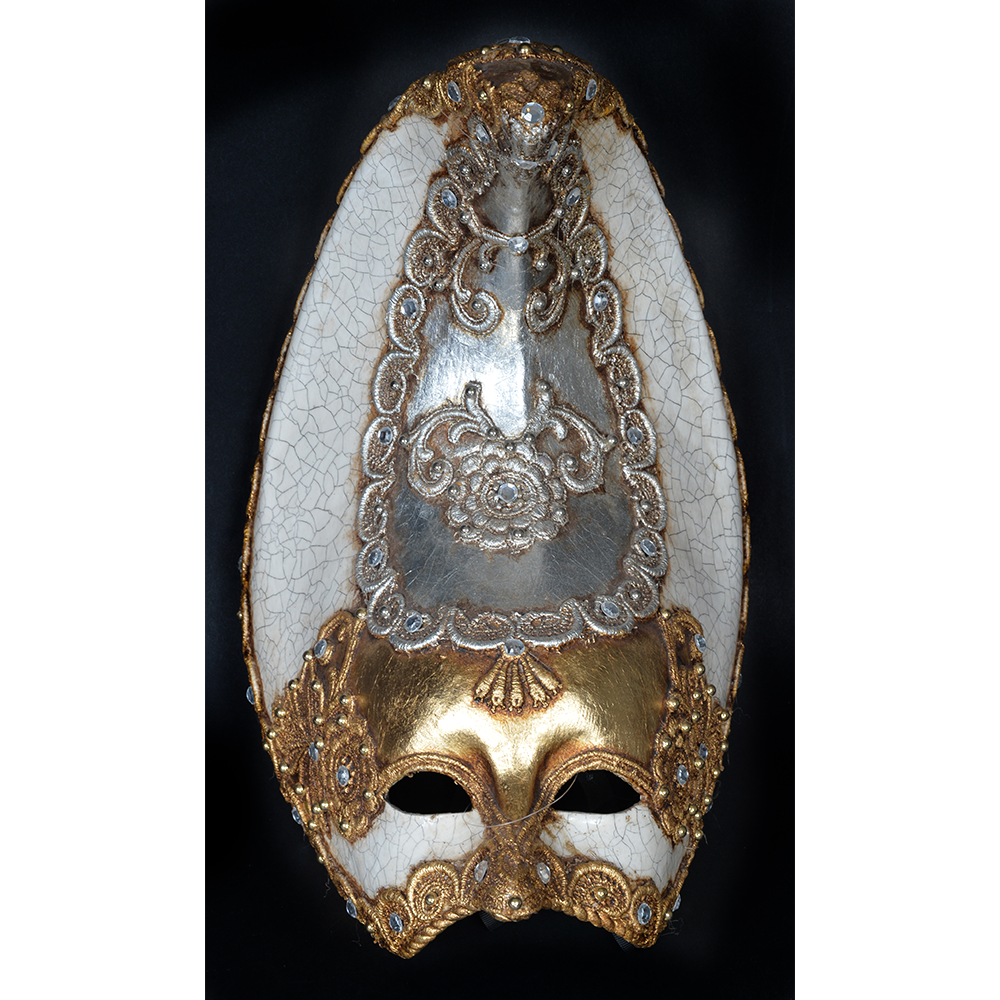
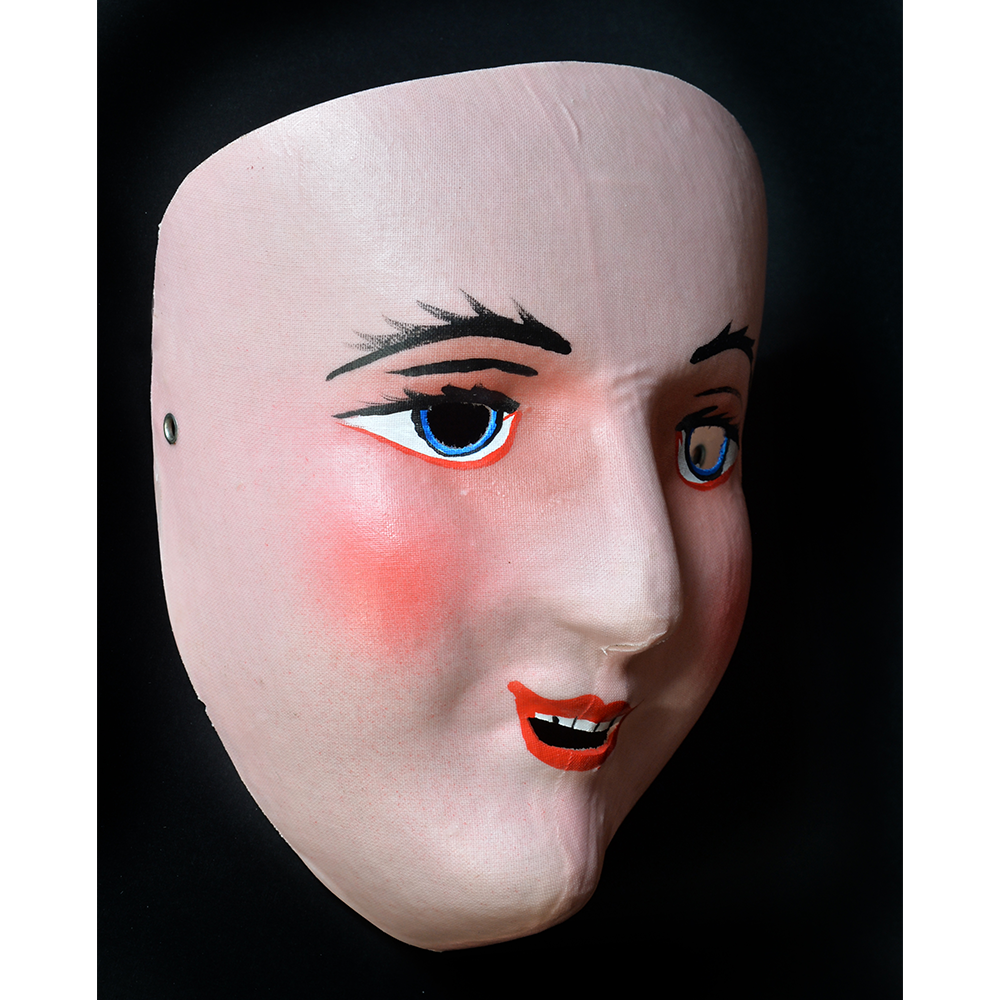
During Carnival in Venice, masqueraders wear a variety of both classical and novelty masks. This mask falls in the latter category. It is made to resemble the moon and can be worn by masqueraders of either sex. By not covering the whole face, masks such as this one allow the wearer unimpeded speech and the option of eating and drinking without unmasking.
:

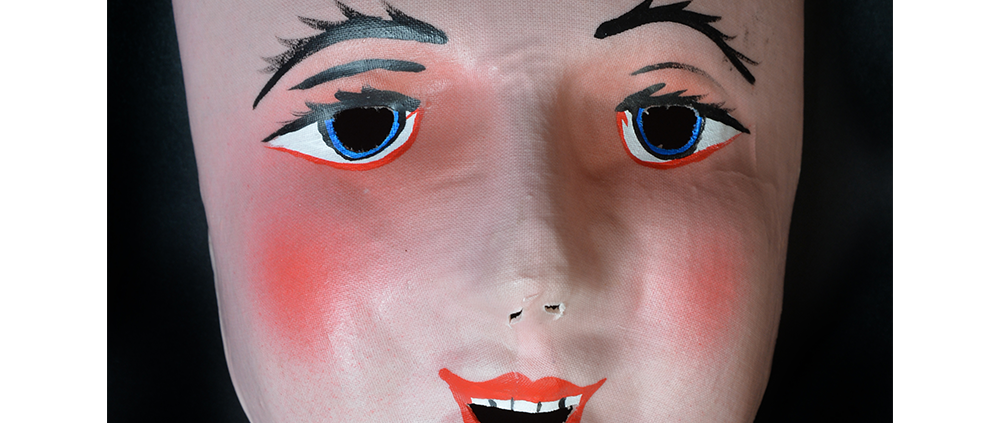
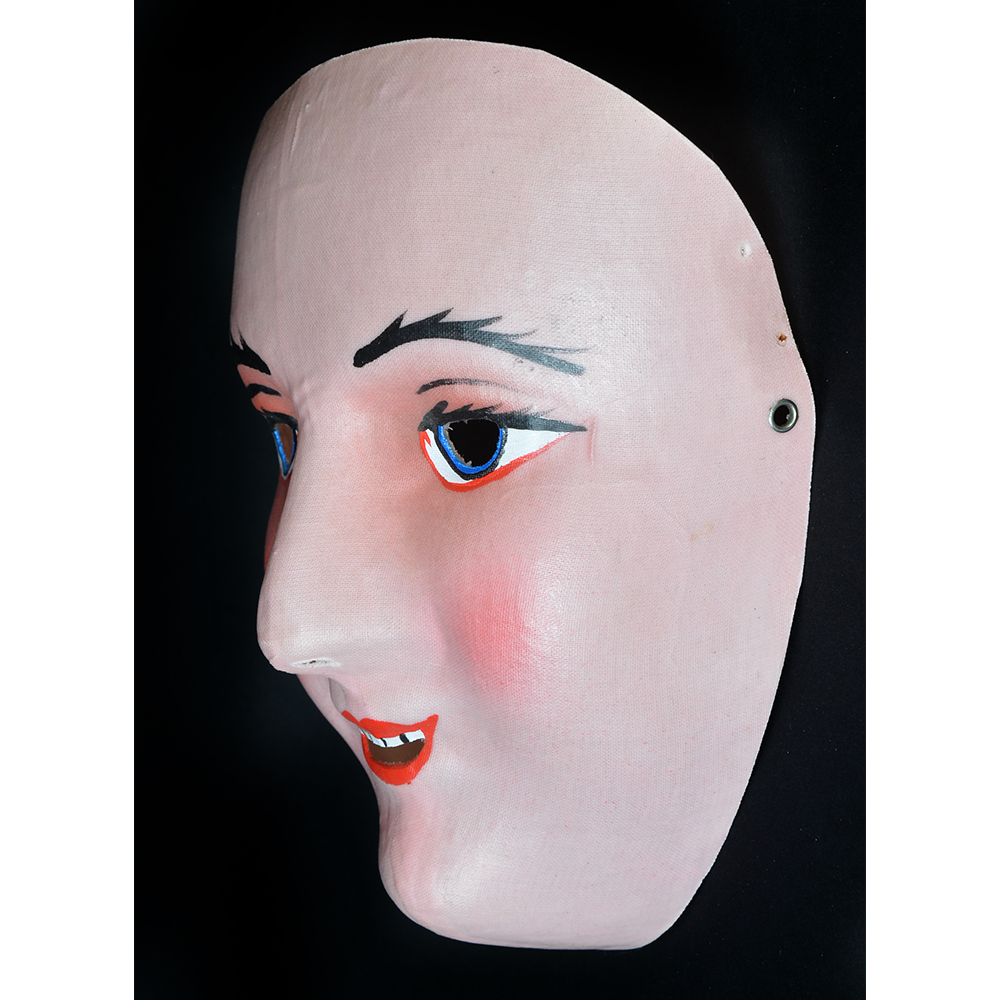
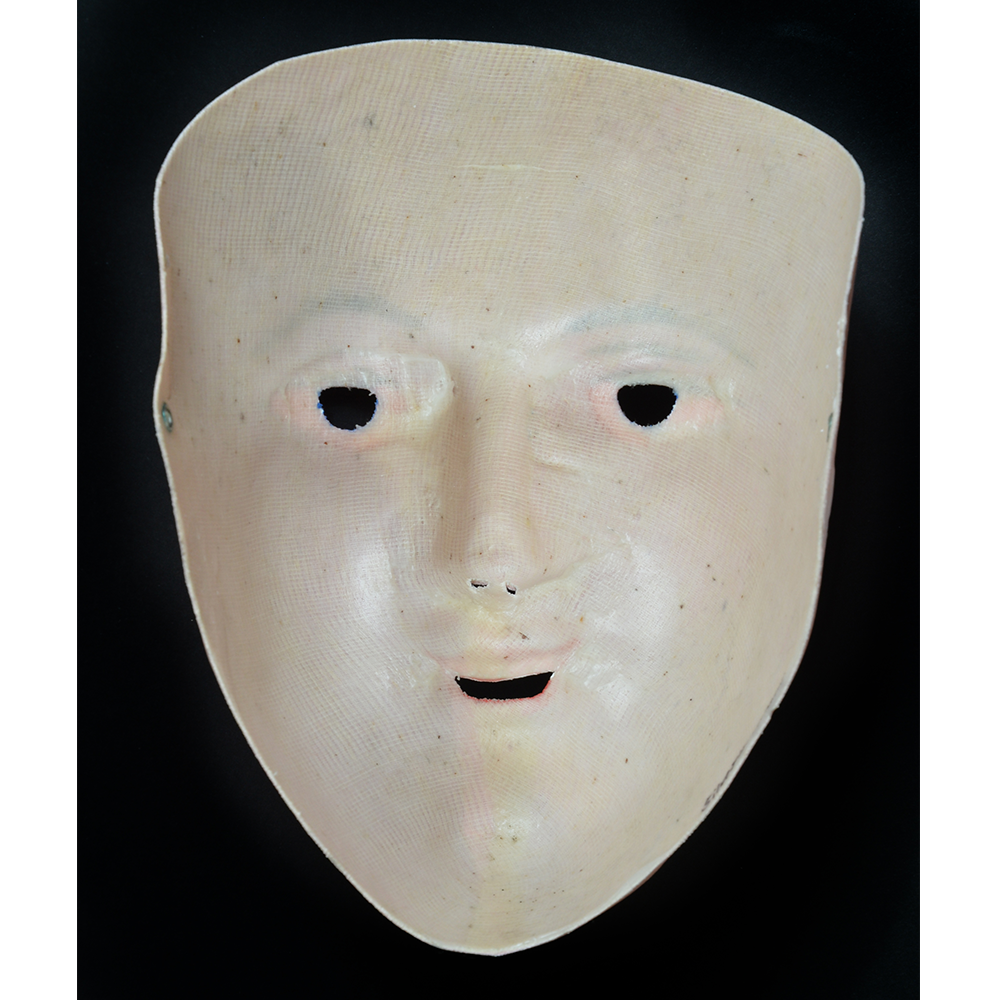
TITLE: Silvesterklaus
TYPE: face mask
GENERAL REGION: Europe
COUNTRY: Switzerland
SUBREGION: Appenzell Ausserrhoden
ETHNICITY: Swiss
DESCRIPTION: Schöne Silvesterklaus Mask
CATALOG ID: EUCH002
MAKER: Verena Steiger (Steinen, Schwyz, 1955- )
CEREMONY: St. Sylvester’s Day (New Year’s Eve)
AGE: 1990
MAIN MATERIAL: cloth; wax
OTHER MATERIALS: paint; metal o-rings

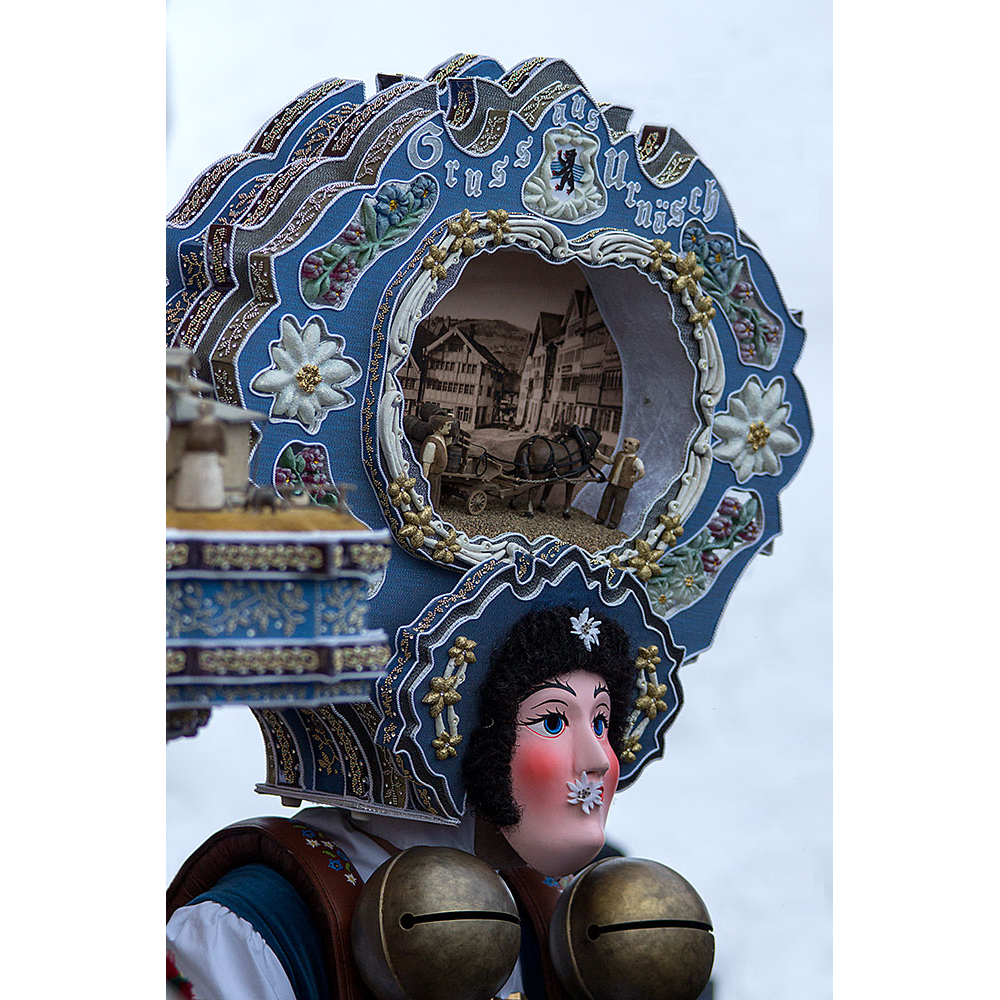
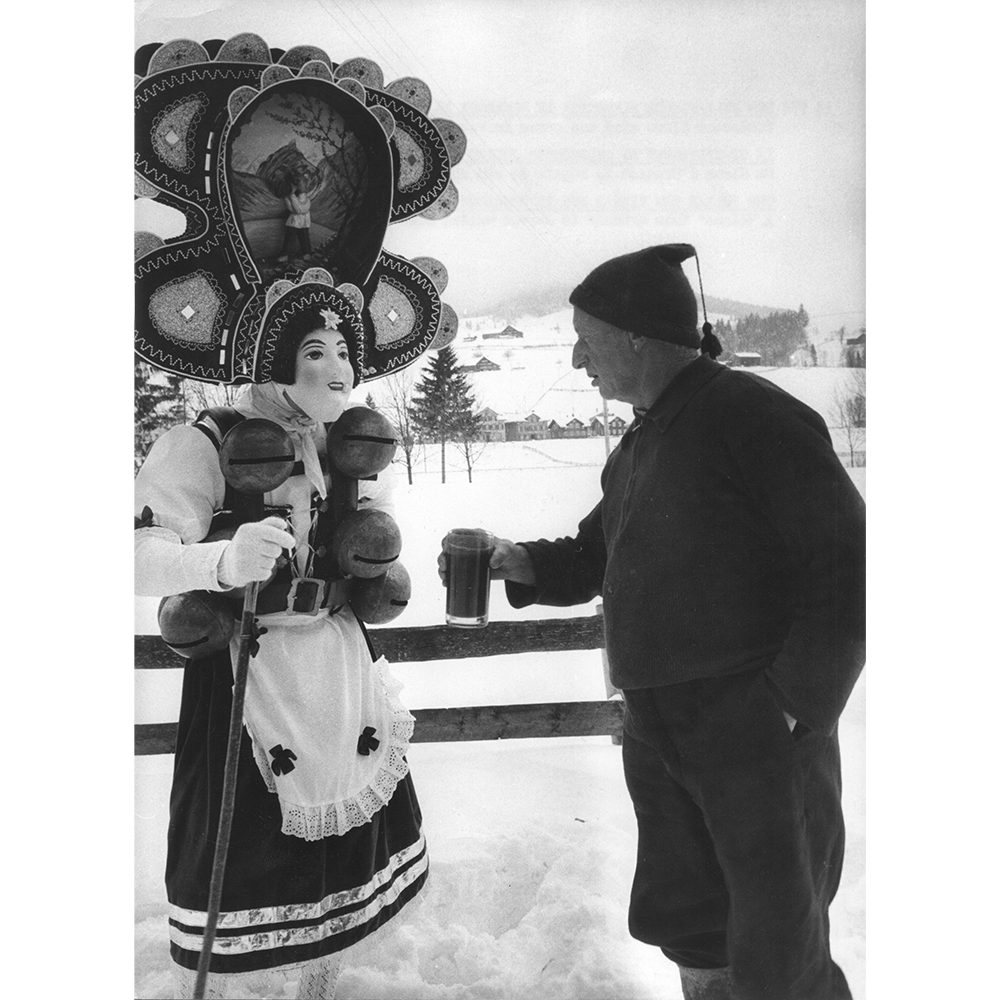
On New Year’s Eve on both the Gregorian (December 31) and Julian (January 13) calendars, Appenzell Canton, Switzerland, sees yodeling mummers pass through the town wearing masks and elaborate costumes in honor of Saint Sylvester. The costume includes large bells and a headdress, although the appearance of the mummers varies. There are three types of Chlausen: schöne (pretty), schö-wüeschte (pretty-ugly), and wüeschte (ugly). This mask represents a schöne, and would be worn with an elaborate headdress with scenes of peasant life and a traditional Appenzeller costume. The ugly masks are skillfully made to look frightening, and the mask and costume are both composed of fir branches and needles, ivy, moss, or other natural materials. Pretty-ugly characters have the schöne mask like this one, but the natural costume of a wüeschte.

For more on traditional folk masks of the Alps, see Claus Hansmann, Masken Schemen Larven: Volksmasken der Alpenländer (Munich: Verlag F. Bruckmann, 1959).

:

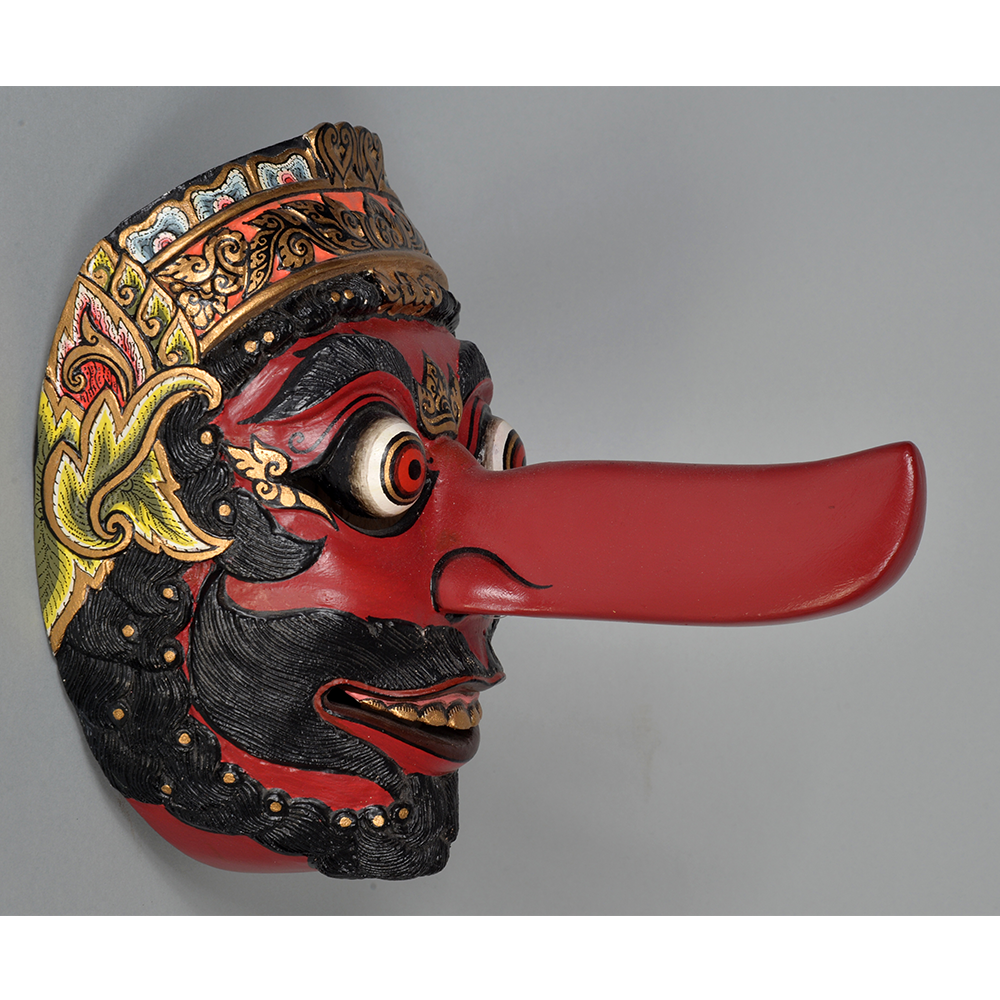
TITLE: Javanese Klana Bapang
TYPE: face mask
GENERAL REGION: Asia
COUNTRY: Indonesia
SUBREGION: Java
ETHNICITY: Javanese
DESCRIPTION: Klana Bapang Mask
CATALOG ID: ASID030
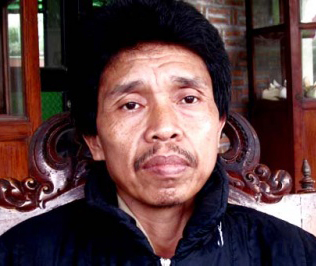
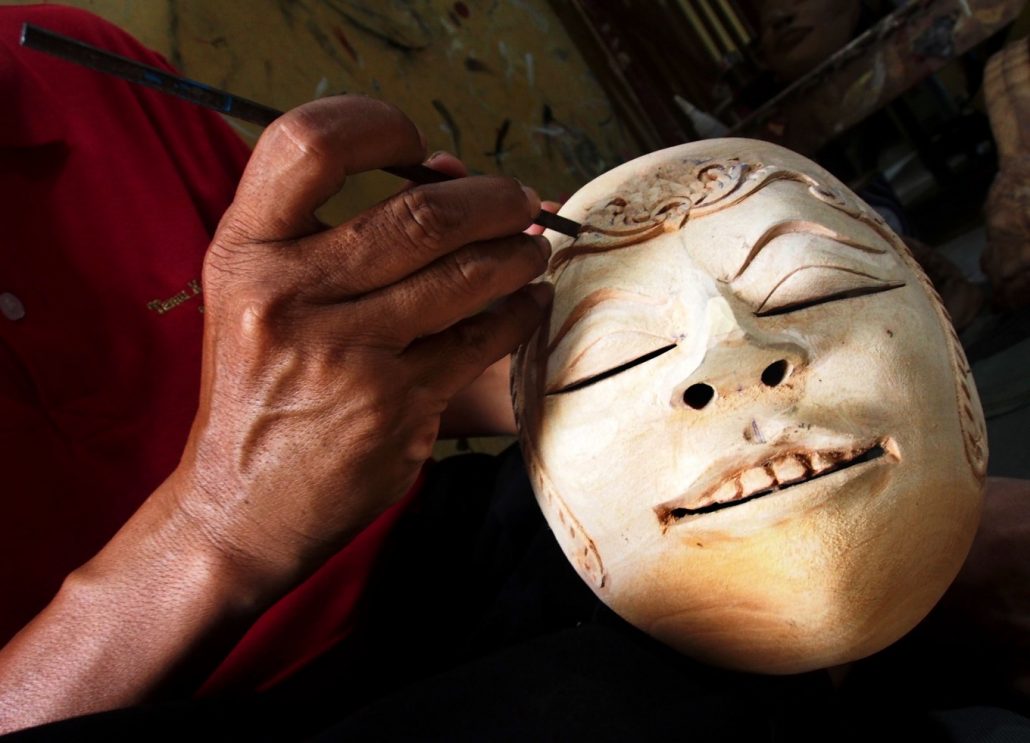
MAKER: Ganuh Nugroho AdiNarimo (Surakarta, Java, 1966- )
CEREMONY: Topeng Dance Drama
AGE: 1990s
MAIN MATERIAL: pule wood
OTHER MATERIALS: paint; leather strap

The Topeng dance drama of the island of Java centers around the political history of the region and are called Babad Dalem (Chronicles of the Kings) or Raket. The most popular story centers around the national hero Panji, whose consort Dewi Chandrakirana is abducted by the powerful King Klana Sewandana of Bantarangin.

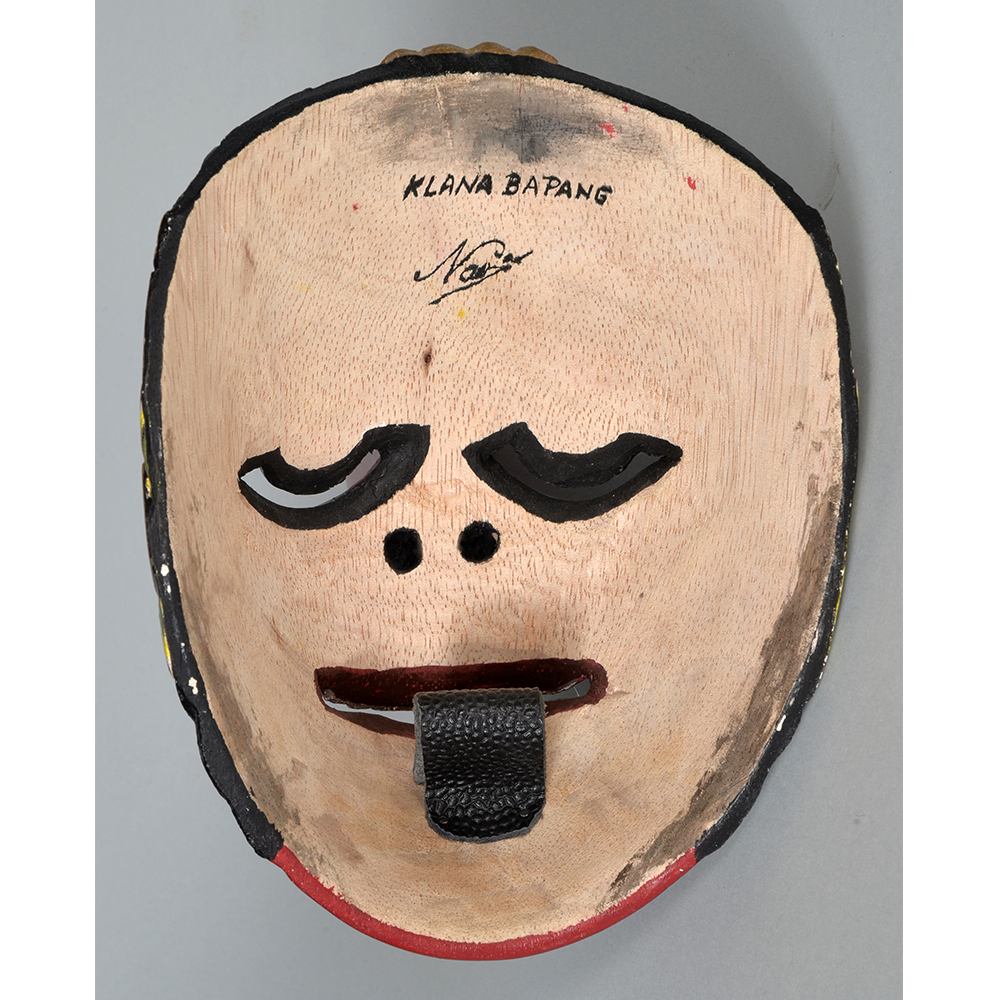
This specific mask represents a character known as Klana Bapang. The character represents an aggressive but comical enemy of Panji. The mask would be worn by the masquerader biting down on the leather strap to hold the mask in place. This leaves the character mute throughout the performance.

:

TITLE: Huatrila Mask
TYPE: hood mask
GENERAL REGION: Latin America
COUNTRY: Peru
SUBREGION: Jauja or Huaripampa
ETHNICITY: Quechua
DESCRIPTION: Hautrila Mask
CATALOG ID: LAPE020
MAKER: Unknown
CEREMONY: Tunantada; Chonginada
AGE: 1979
MAIN MATERIAL: leather
OTHER MATERIALS: wool; glass eyes; pigment

The Tunantada is a dance performed in the Jauja region of Peru during the January Festival of San Sebatián and San Fabián, patron saints of the town. Dancers in wire mesh masks represent the Spaniards, who oppress the chutos, or Amerindians.  The huatrila is a kind of clown chuto who personifies the first Jaujan (Hatun Runa).  The dance-drama satirizes all the groups of the colonial period.  It is a group dance, in which each character of the set performs different steps to the rhythm of a single melody.

:

TITLE: Chamba Buffalo Crest
TYPE: face mask
GENERAL REGION: Africa
COUNTRY: Nigeria
ETHNICITY: Chamba
DESCRIPTION: Buffalo Crest Mask
CATALOG ID: AFNG007
MAKER: Unknown
CEREMONY: Vara Society
FUNCTION: Adult Initiation; Funeral; Secret Society; Spirit Invocation; Status
AGE: 1970s
MAIN MATERIAL: wood
OTHER MATERIALS: natural pigment

The Chamba inhabit the region south of the Benue River in Nigeria and Cameroon.  They number in the range of 20,000 persons. Their religious beliefs are animistic, with a strong component of ancestor worship. Their masks, danced by the Vara Society at important events such as adult initiations for boys (circumcision ceremonies), important funerals, and the appointment of a chief, usually take the form of a buffalo with a wide open mouth, symbolizing the mythical origin of the Chamba people. They are worn atop the head with a raffia fiber suit covering the face and body. According to legend, the first Chamba originated with a magical buffalo woman who removed her animal skin to bathe in a lake. A young man saw her and hid her animal skin, and they married, producing the first Chamba people. The masks can be female (red colored) or male (black colored).

: