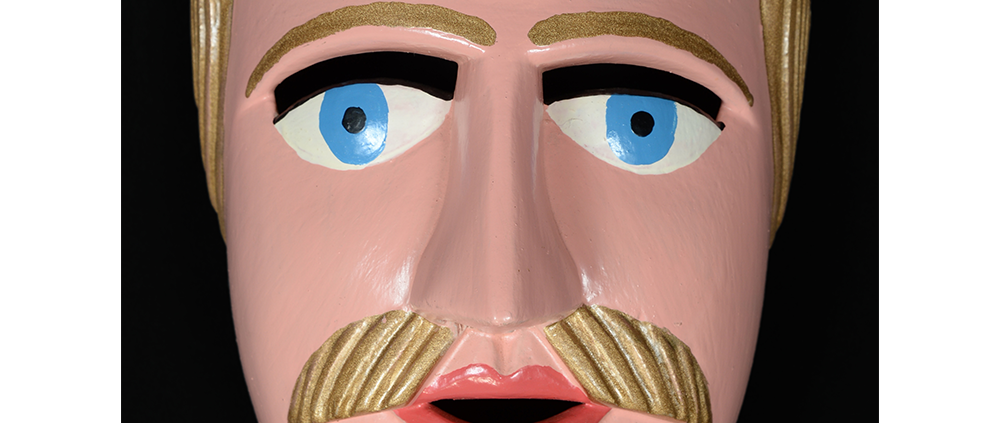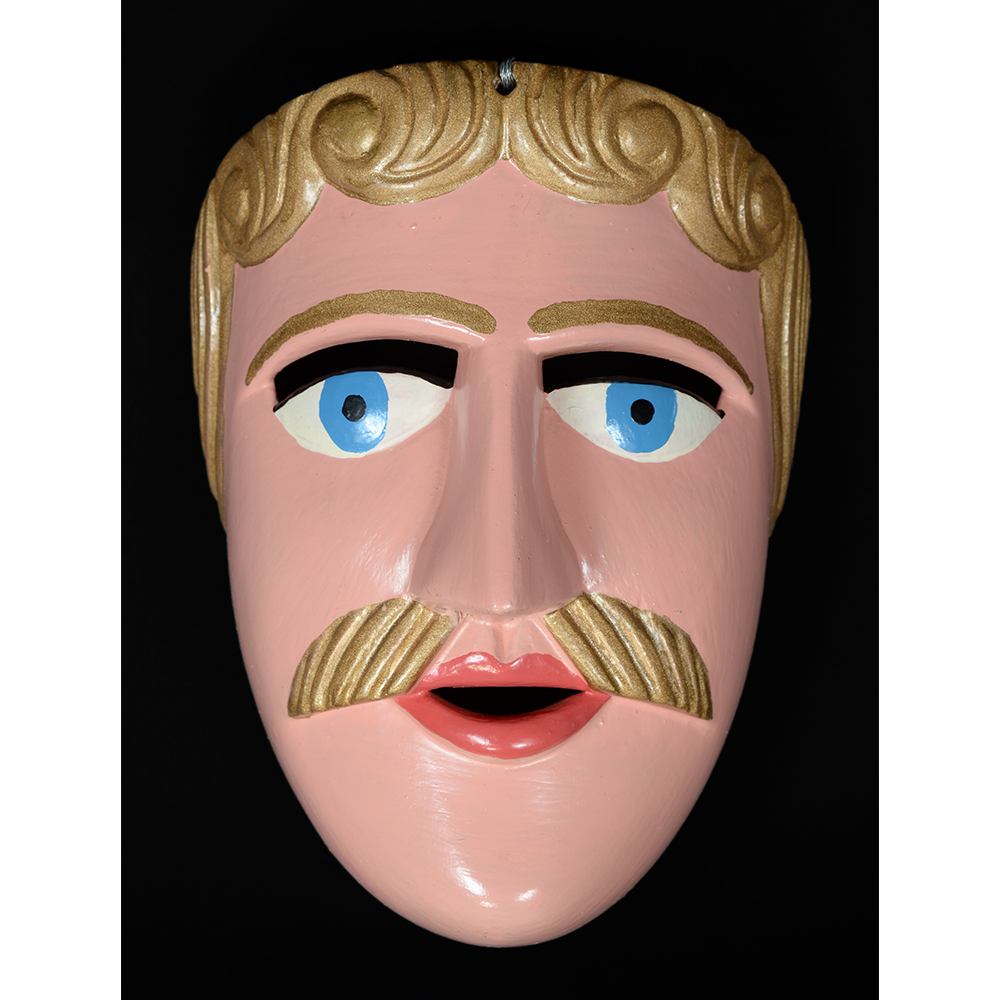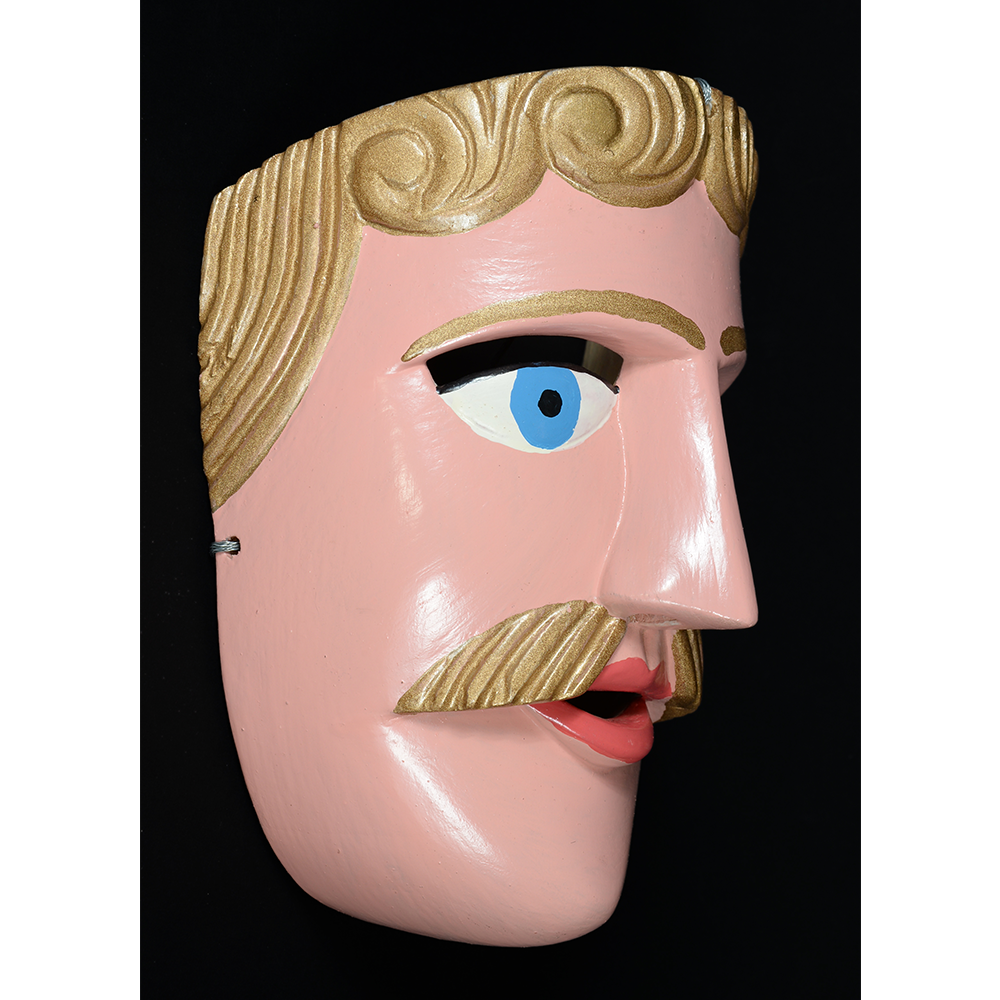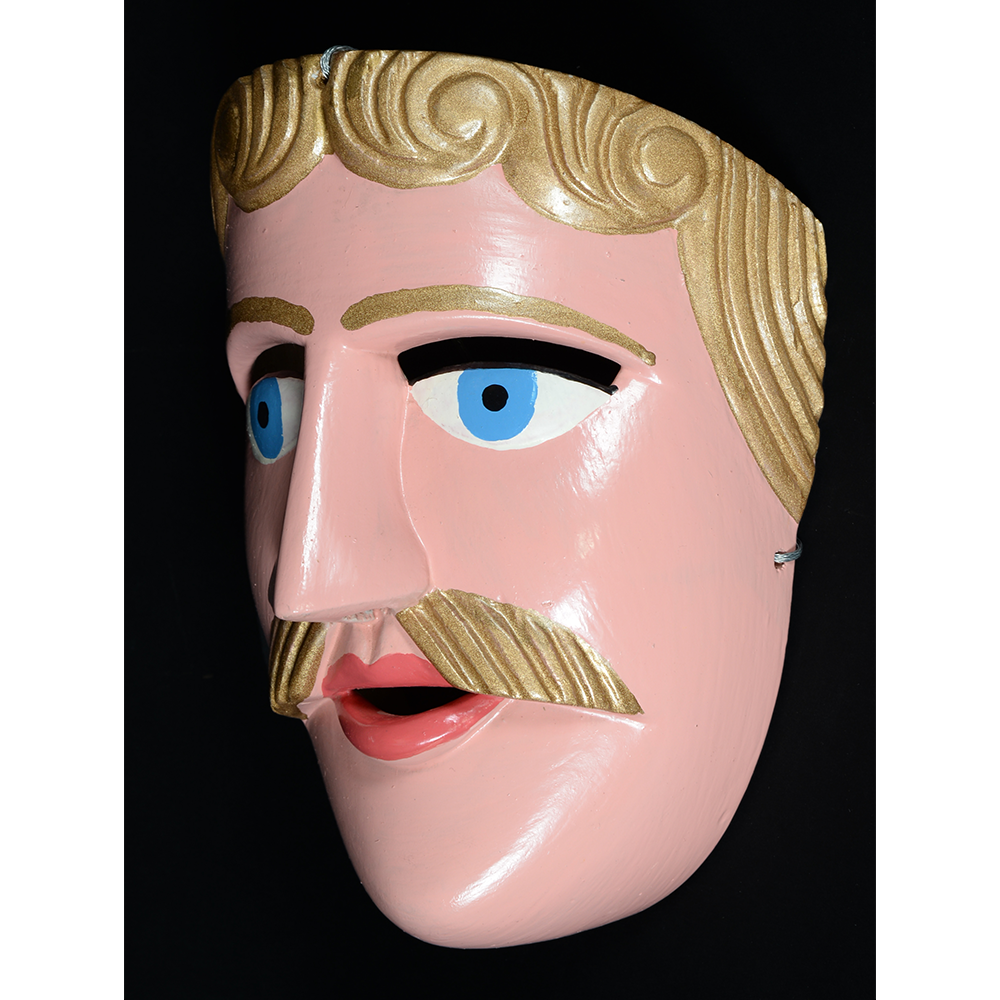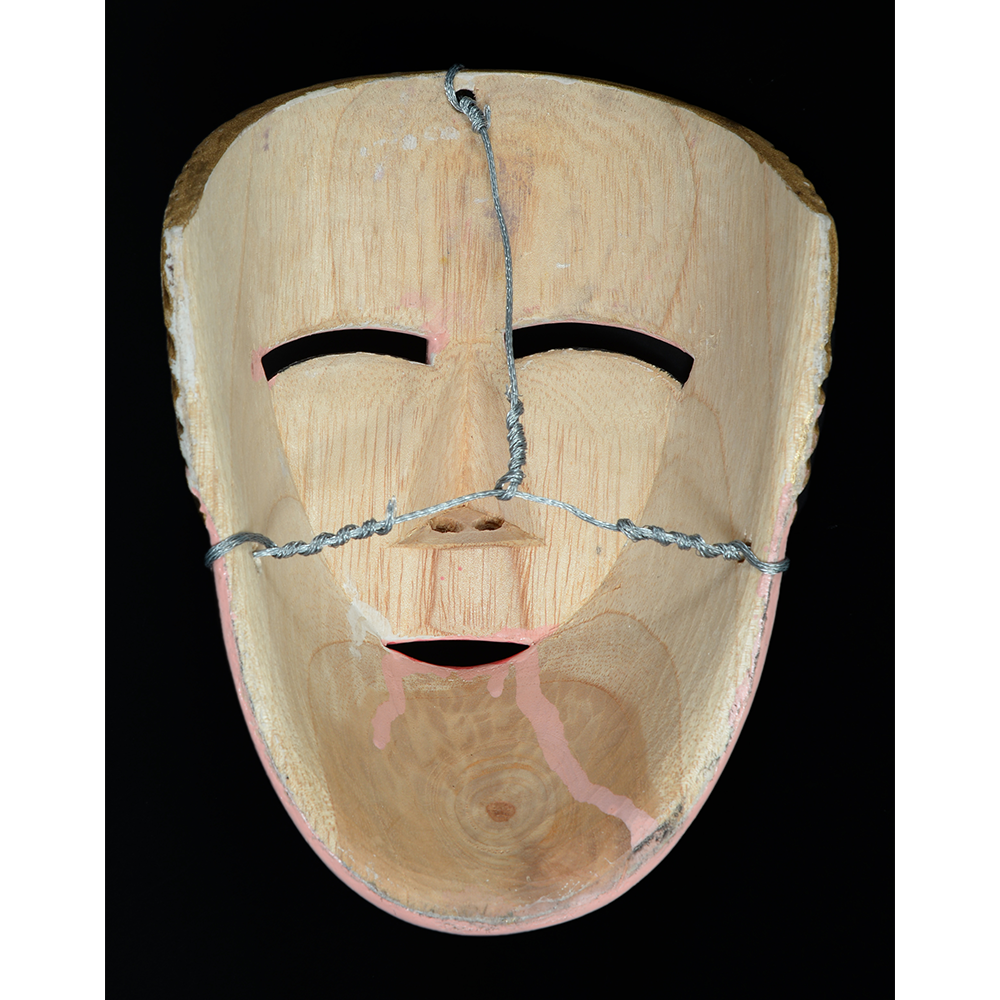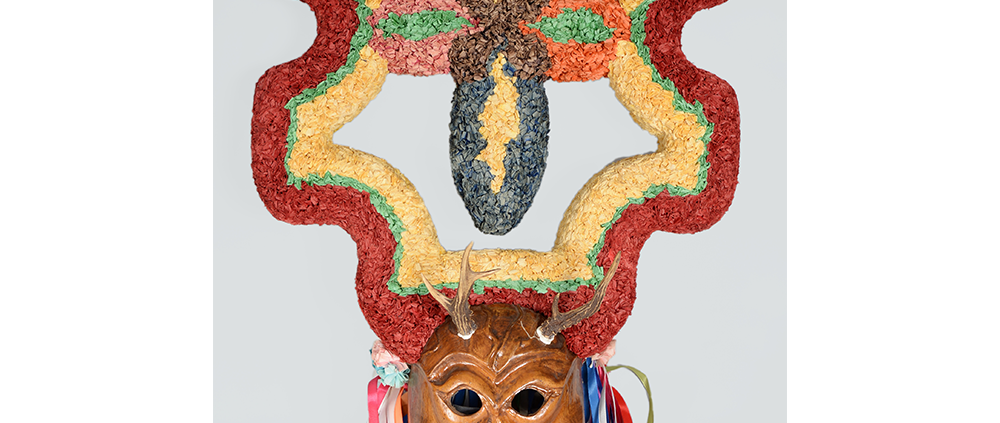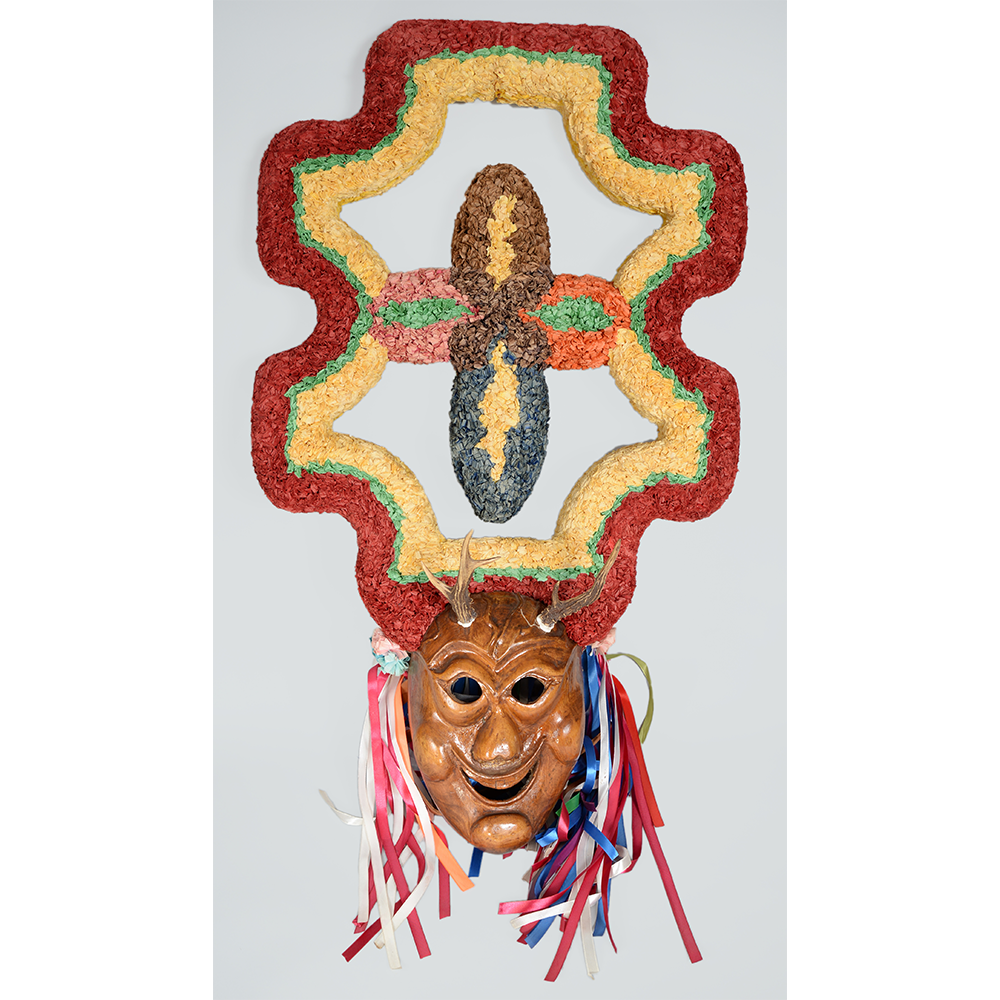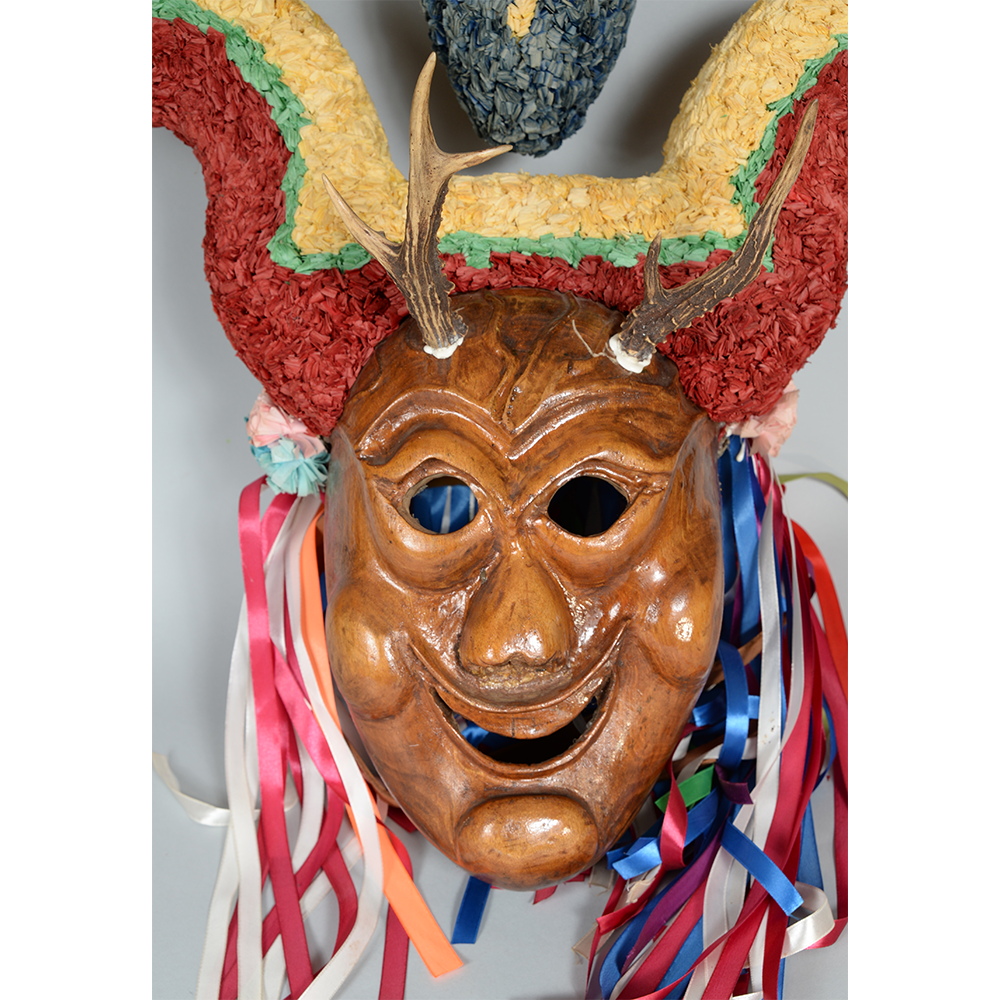
TITLE: Boteiro
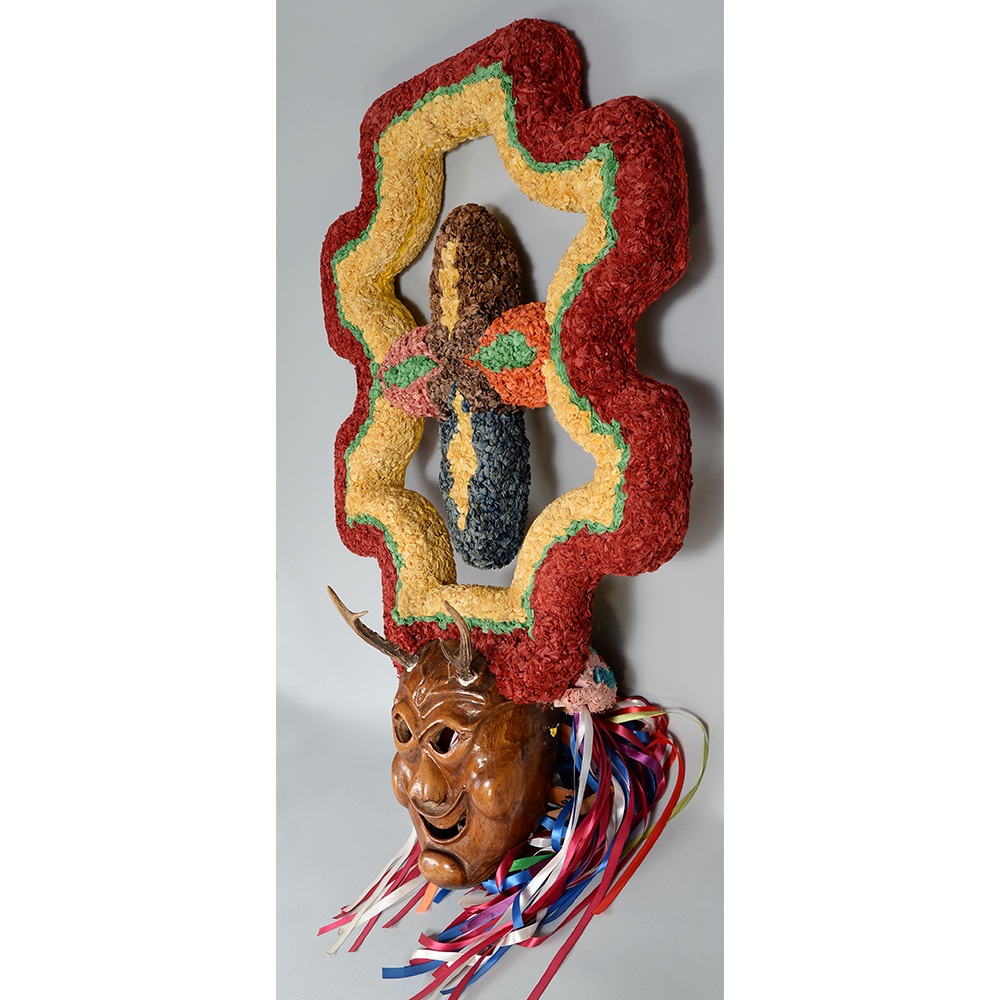
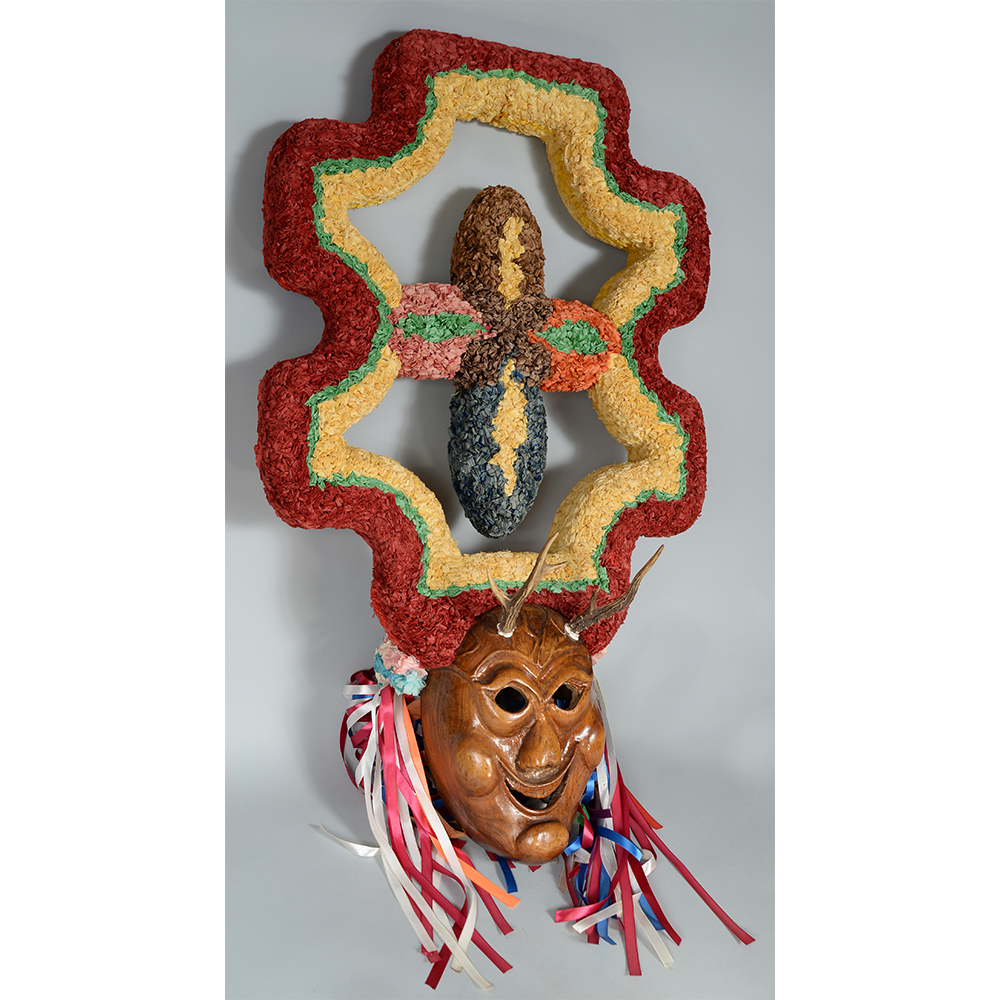
TYPE: helmet mask
GENERAL REGION: Europe
COUNTRY: Spain
SUBREGION: Galicia
ETHNICITY: Iberian
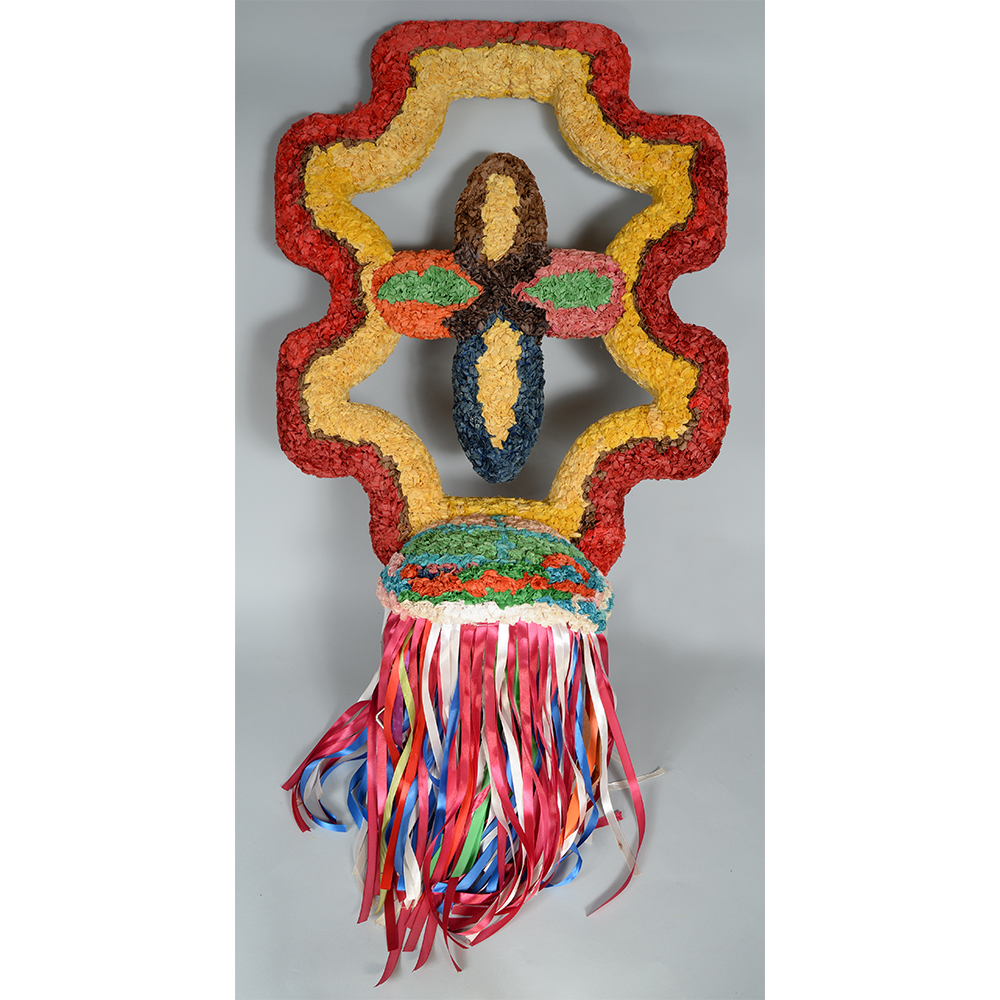
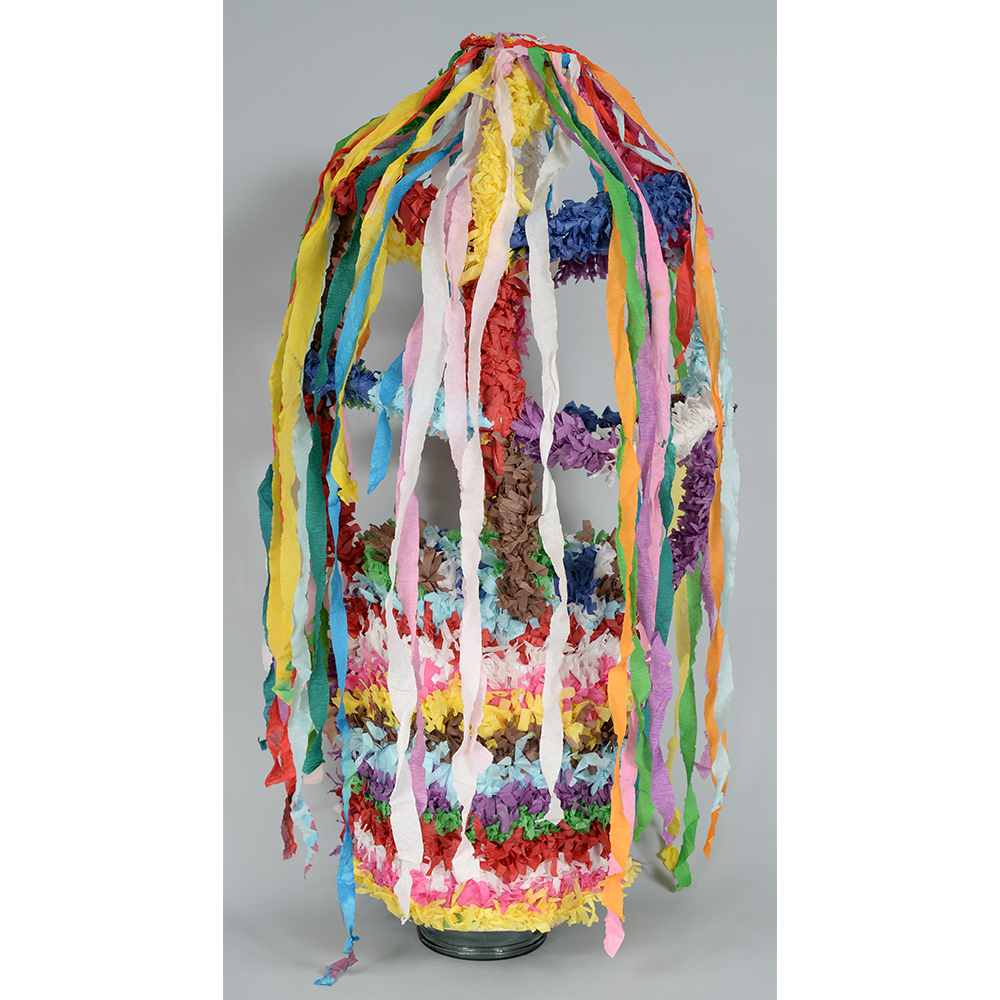
DESCRIPTION: Boteiro Mask with Pantalla
CATALOG ID: EUES011
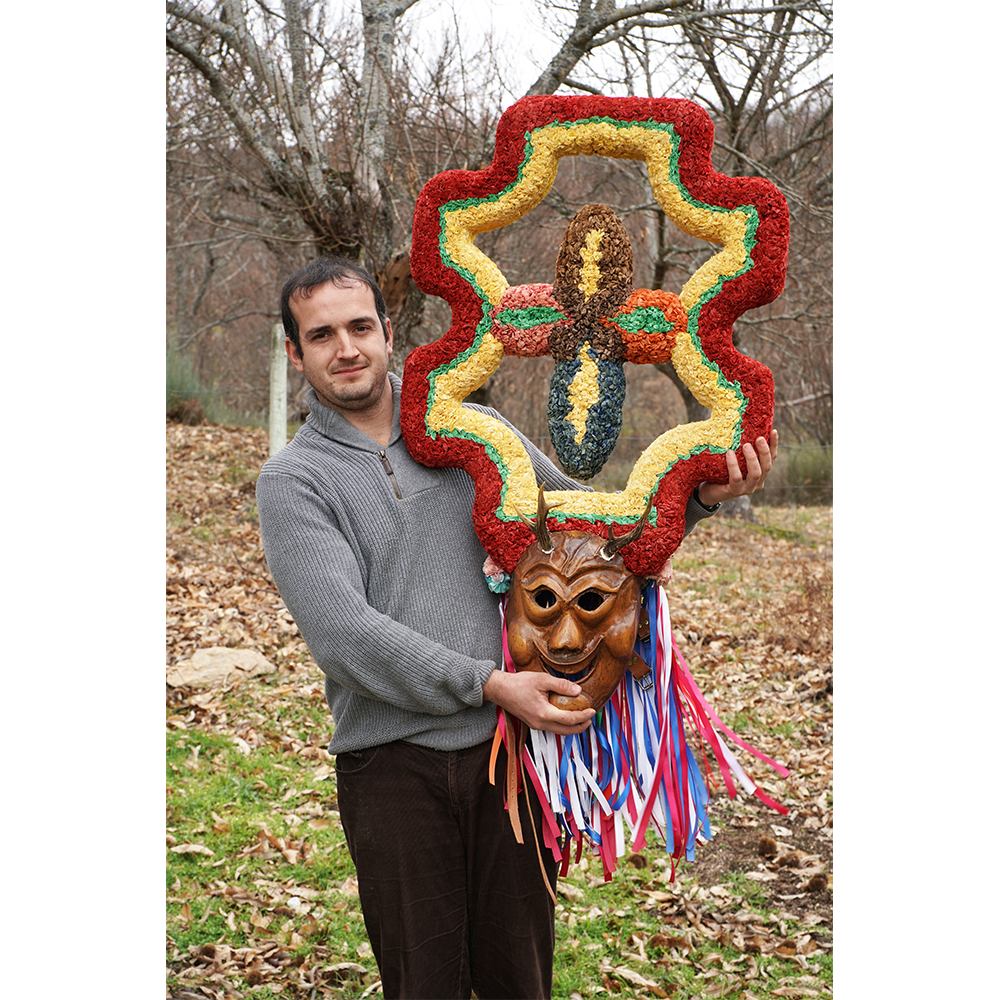
MAKER: Javier Martínez González, Santa Mariña de Froxais, Viana do Bolo (1983- )
CEREMONY: Entroido (Carnival)
AGE: 2008
MAIN MATERIAL: hardwood (mask); iron rods (pantalla)
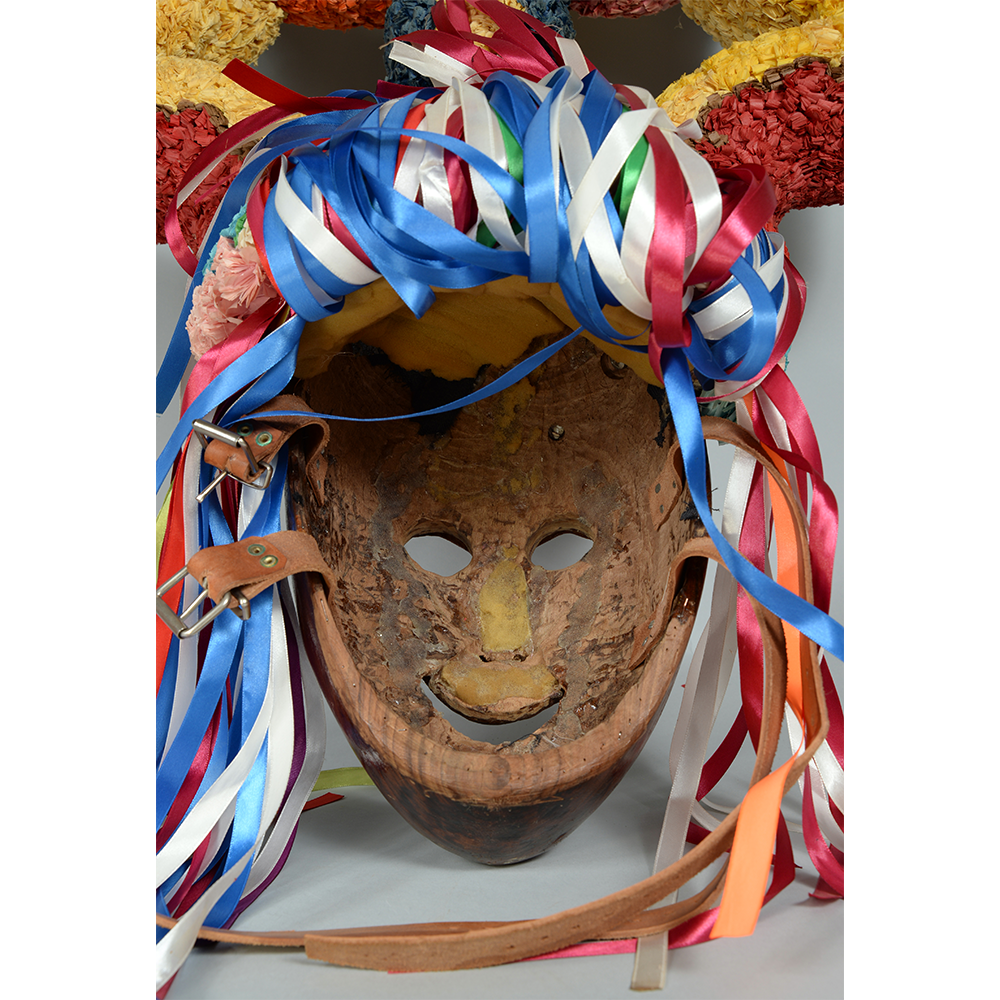
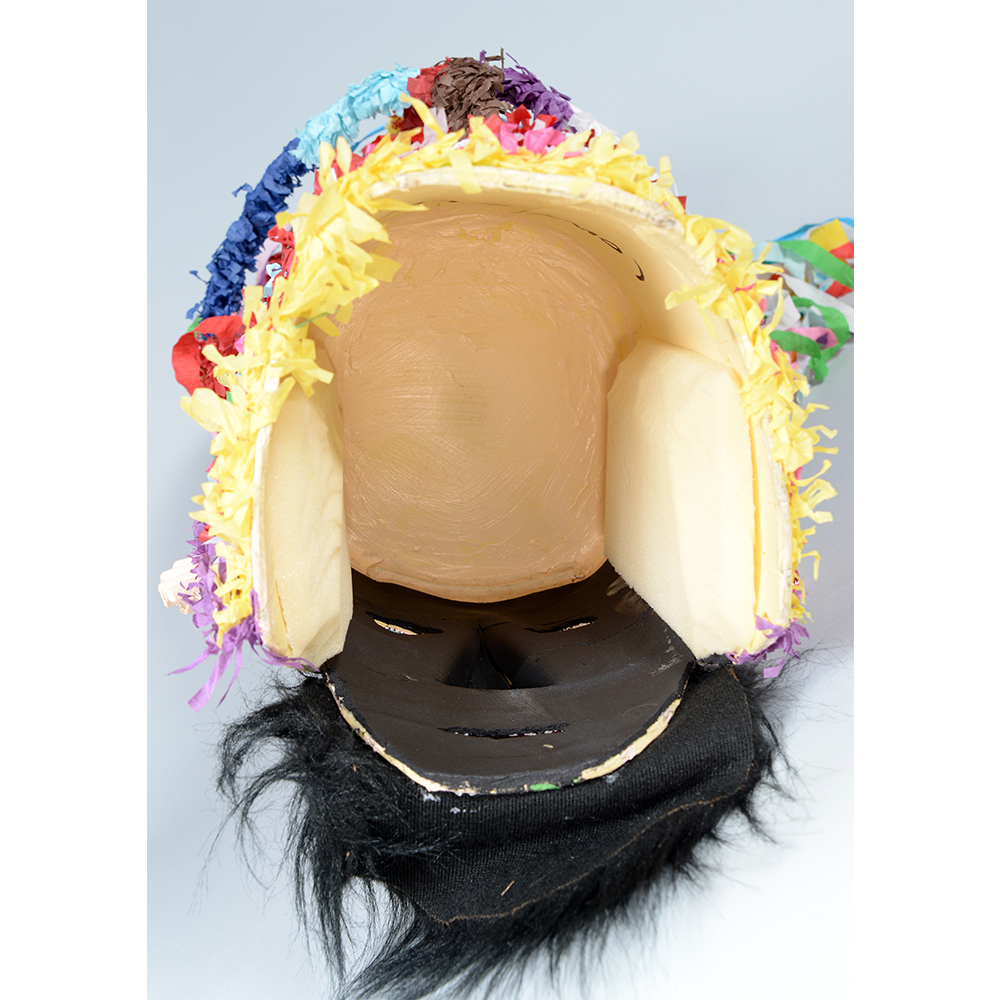
OTHER MATERIALS: lacquer; red deer antlers; cardboard; dyed paper; leather straps; hardware; foam rubber padding; adhesive; dyed satin ribbons

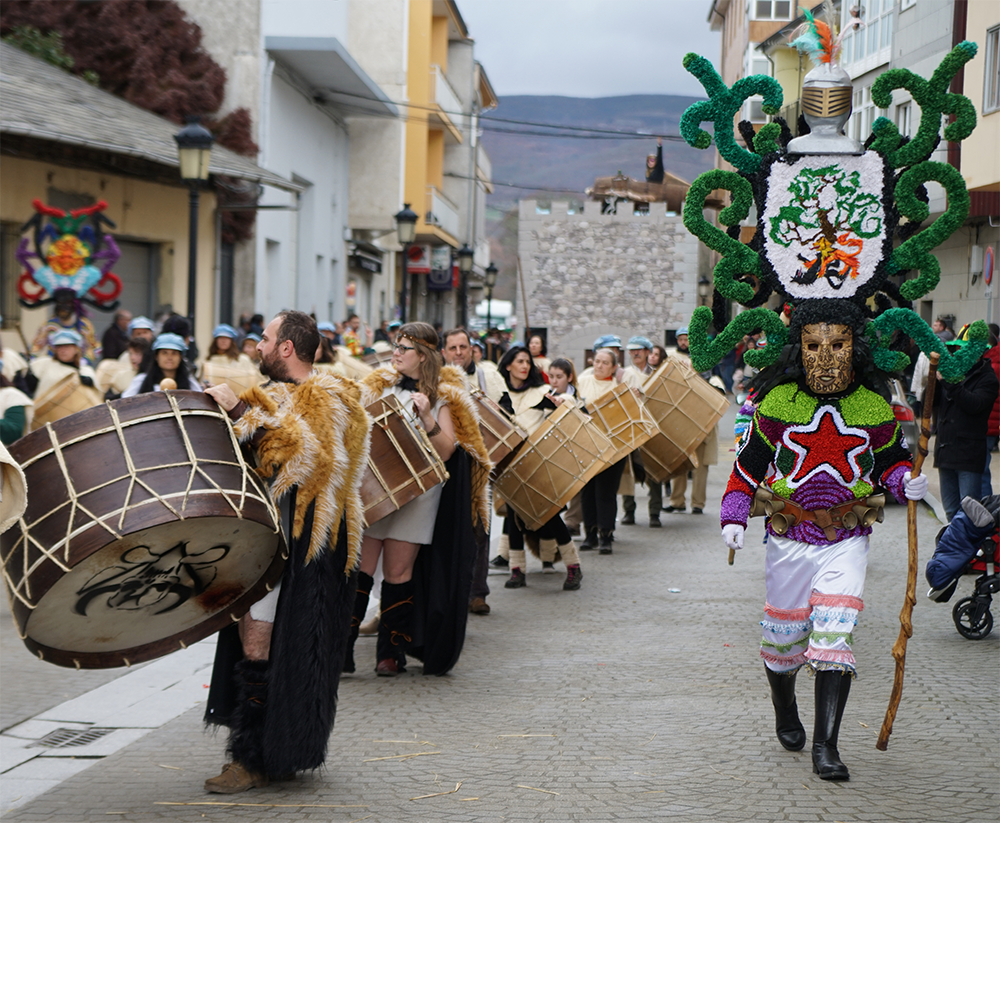
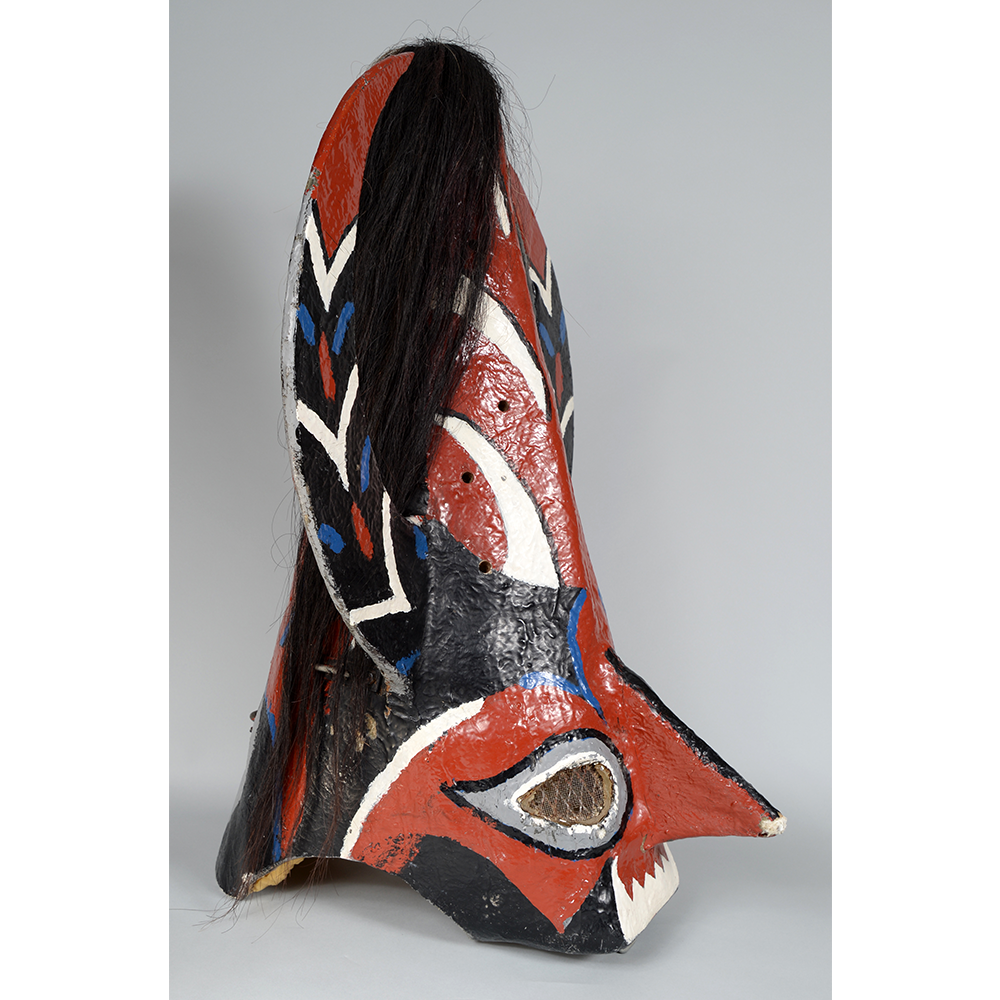
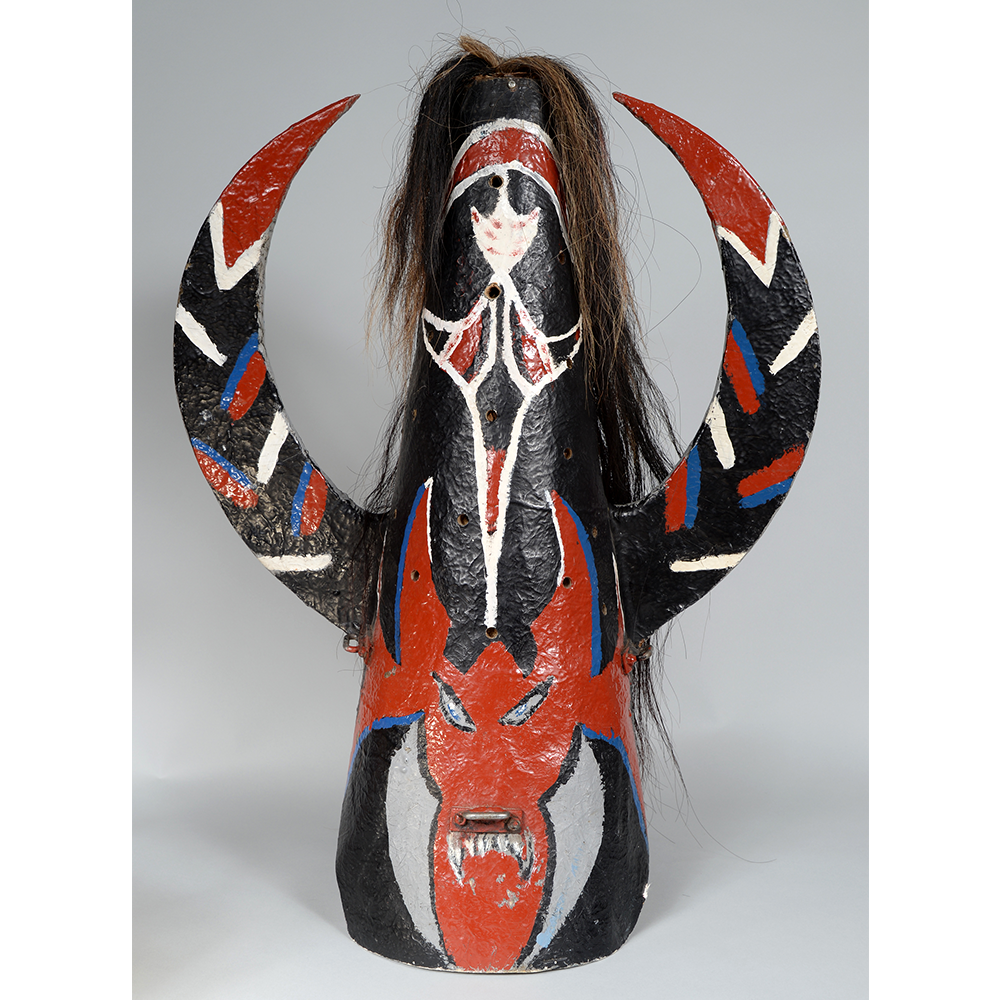
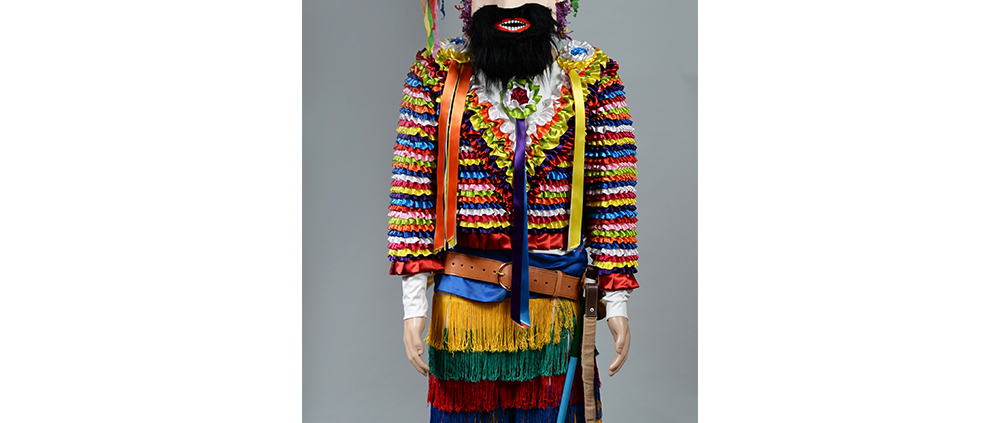
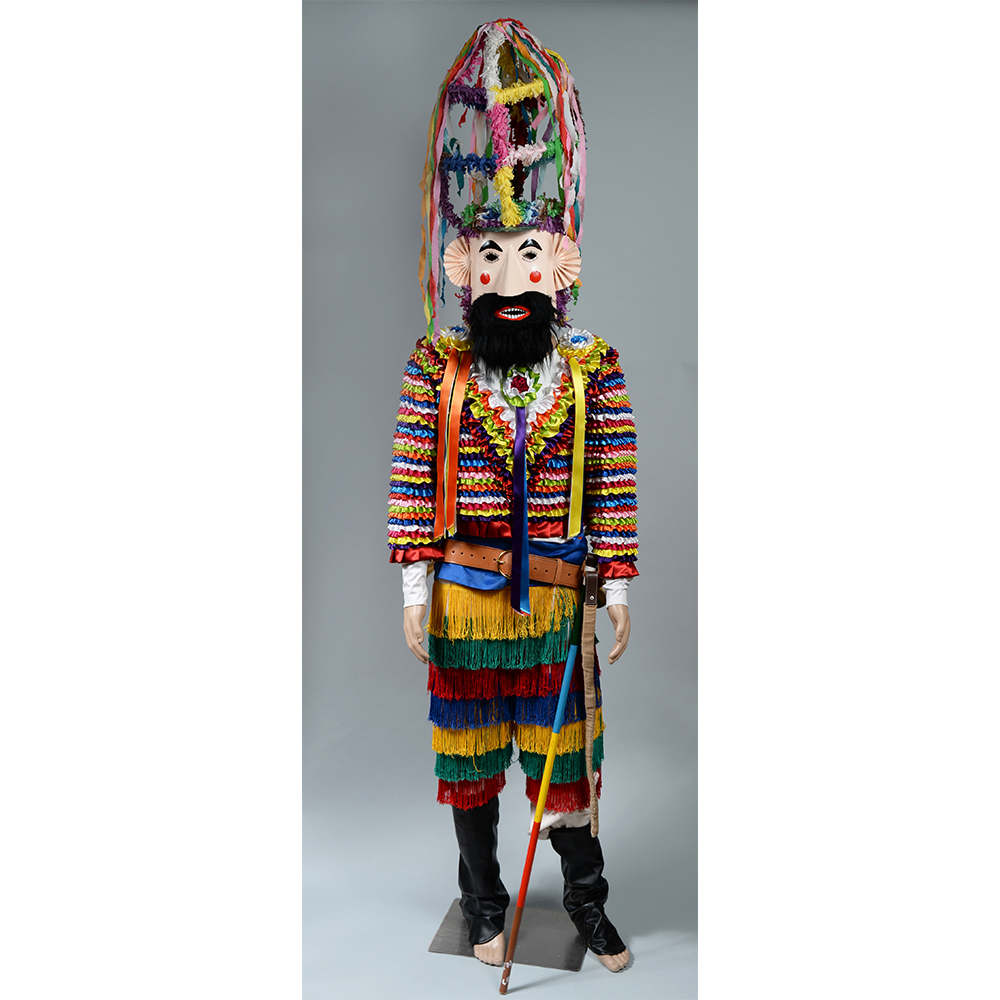
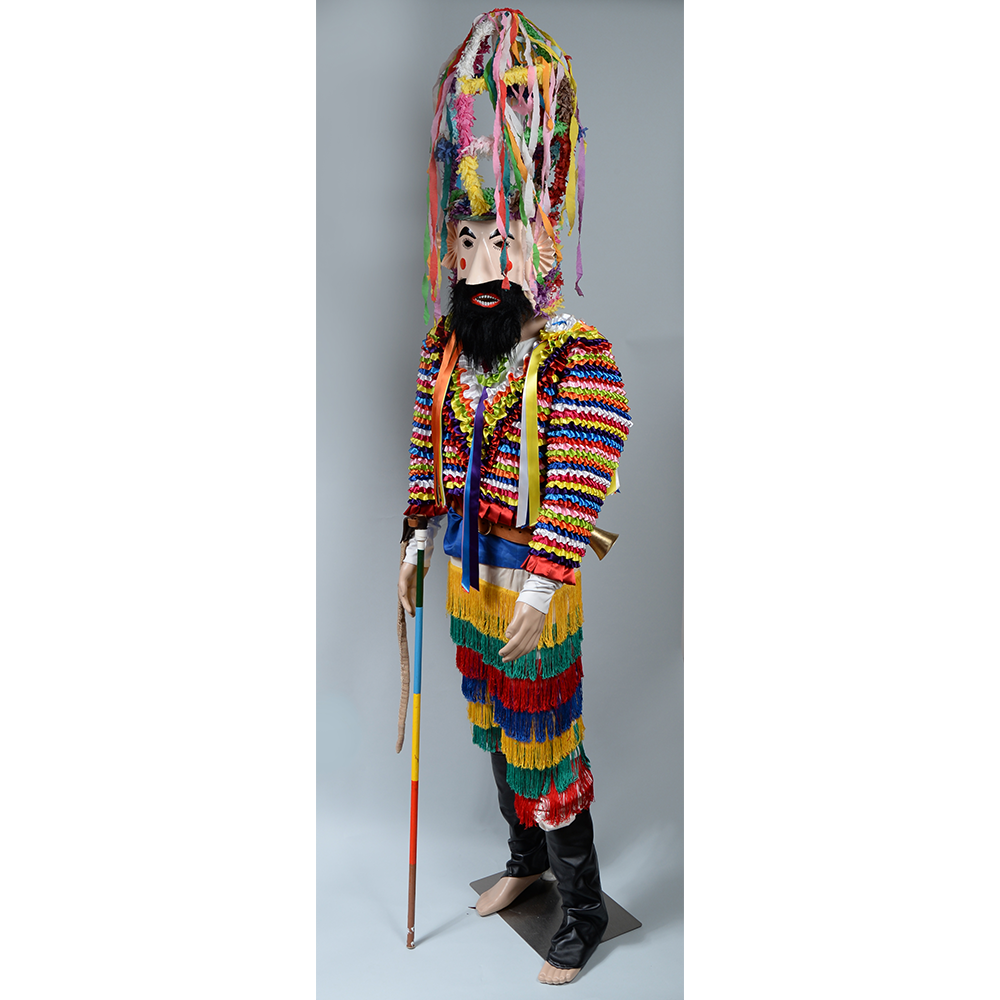
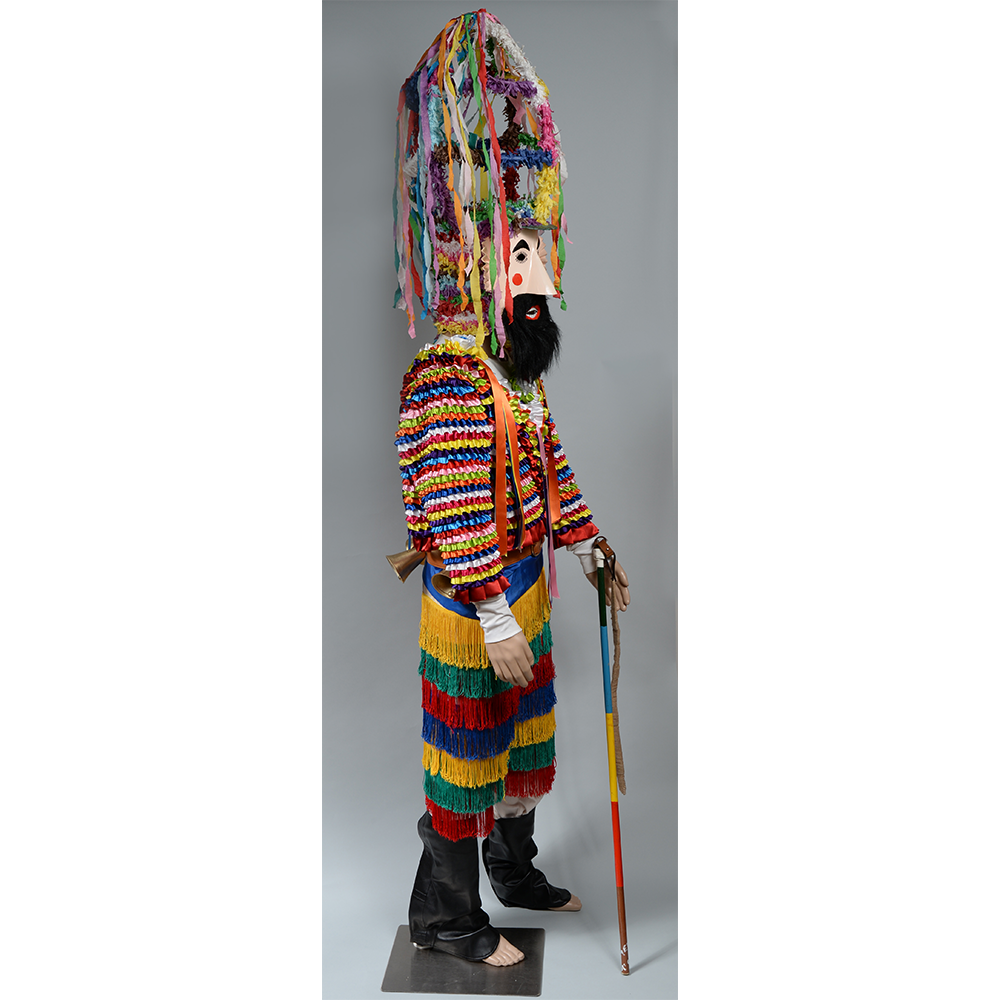
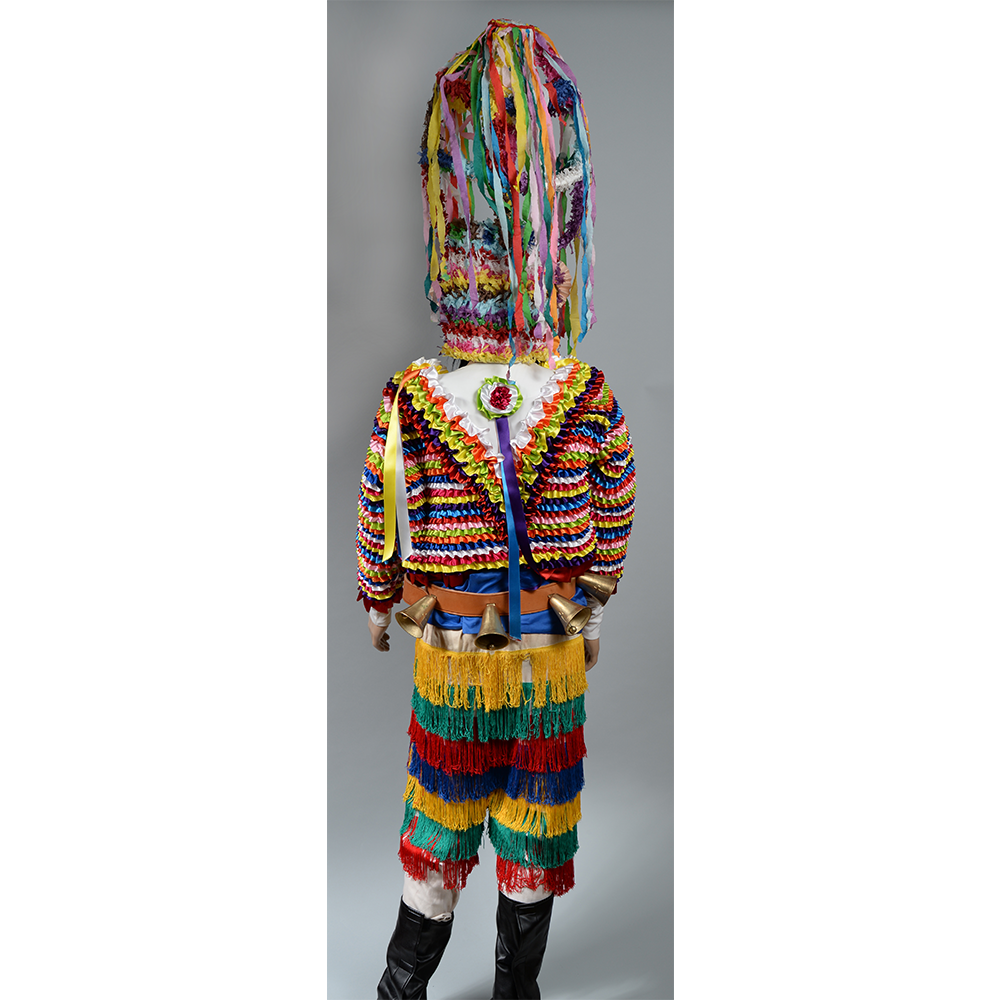
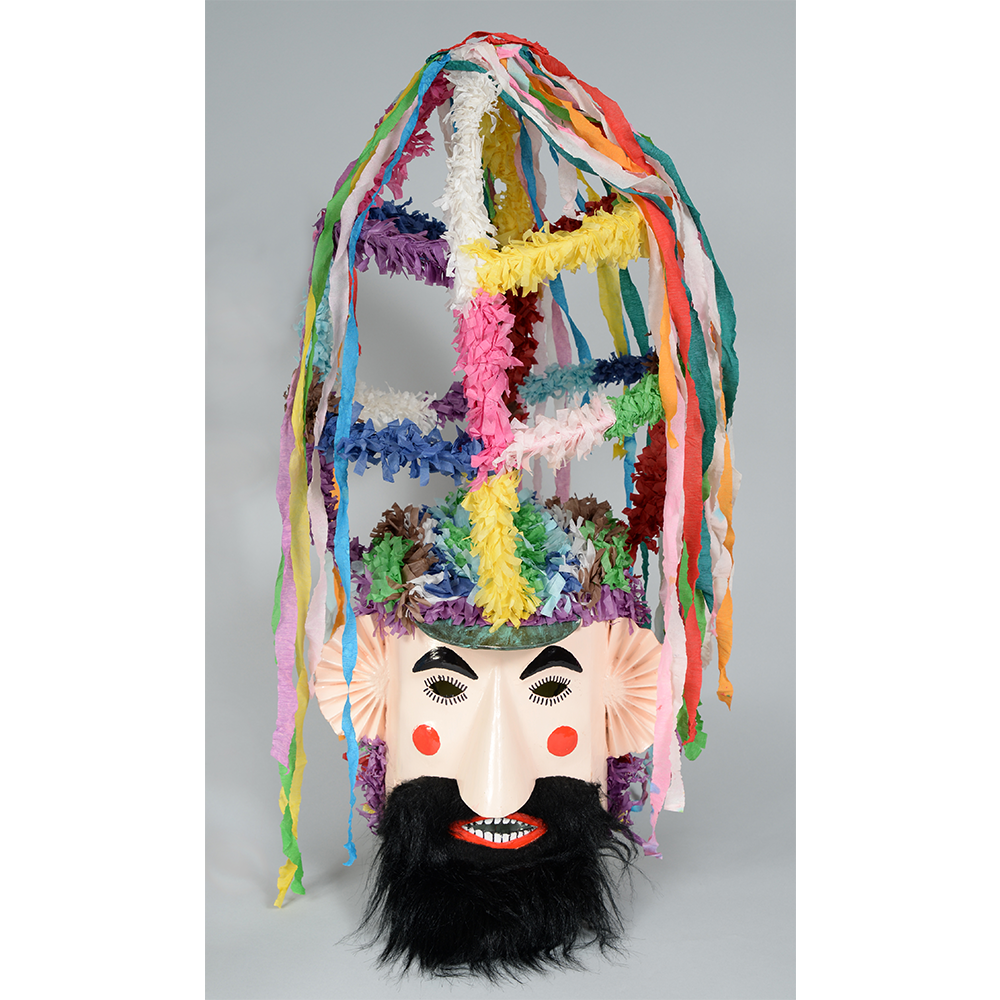
The Entroido (Carnival) of Spain’s Galicia province has a tremendous diversity of celebration styles that vary from town to town. In the region of Viana do Bolo, the celebration begins with a parade of folións, marching bands playing primarily the bombo drum and other percussion. The folións are surrounded by boteiros, masqueraders with colorful costumes and poles, who charge through the crowd to make way for the musicians and vault high on their poles in a display of athletic skills. Each village around Viana do Bolo contributes a team of musicians and masqueraders, and most villages have their own unique style of mask.
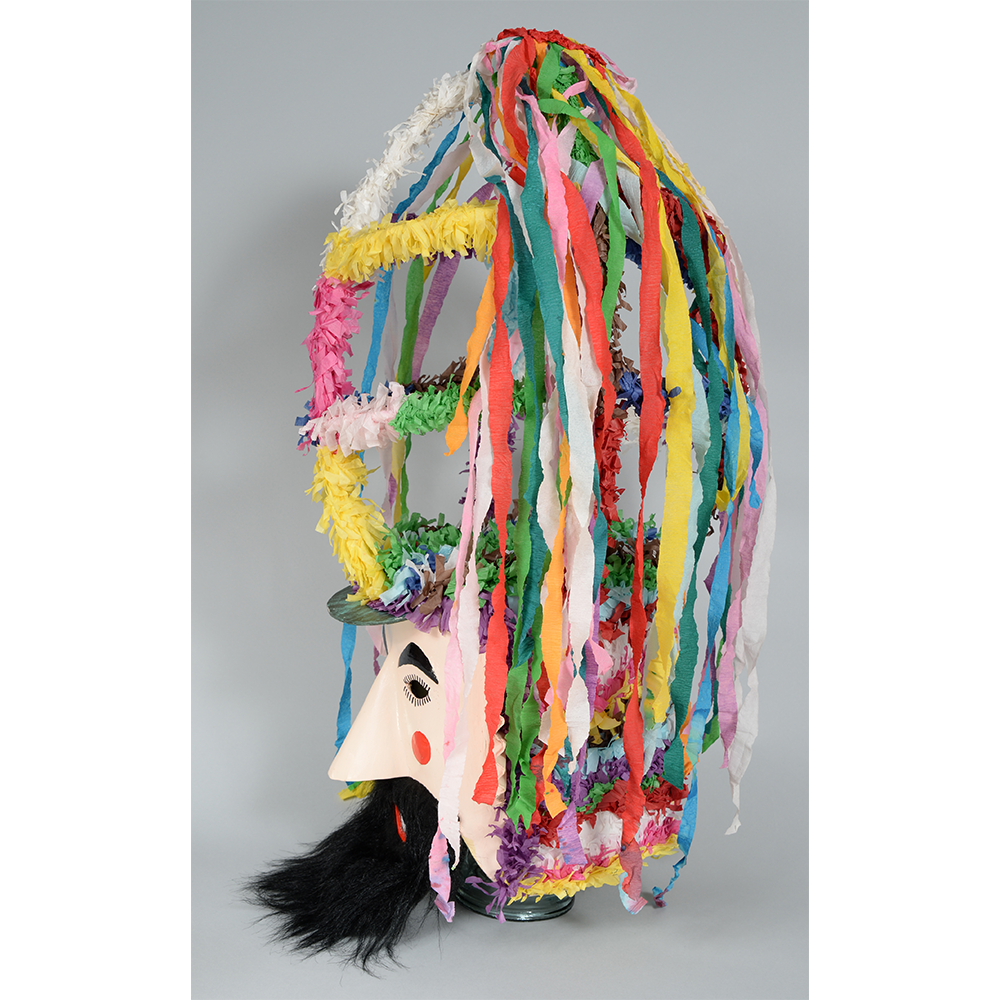
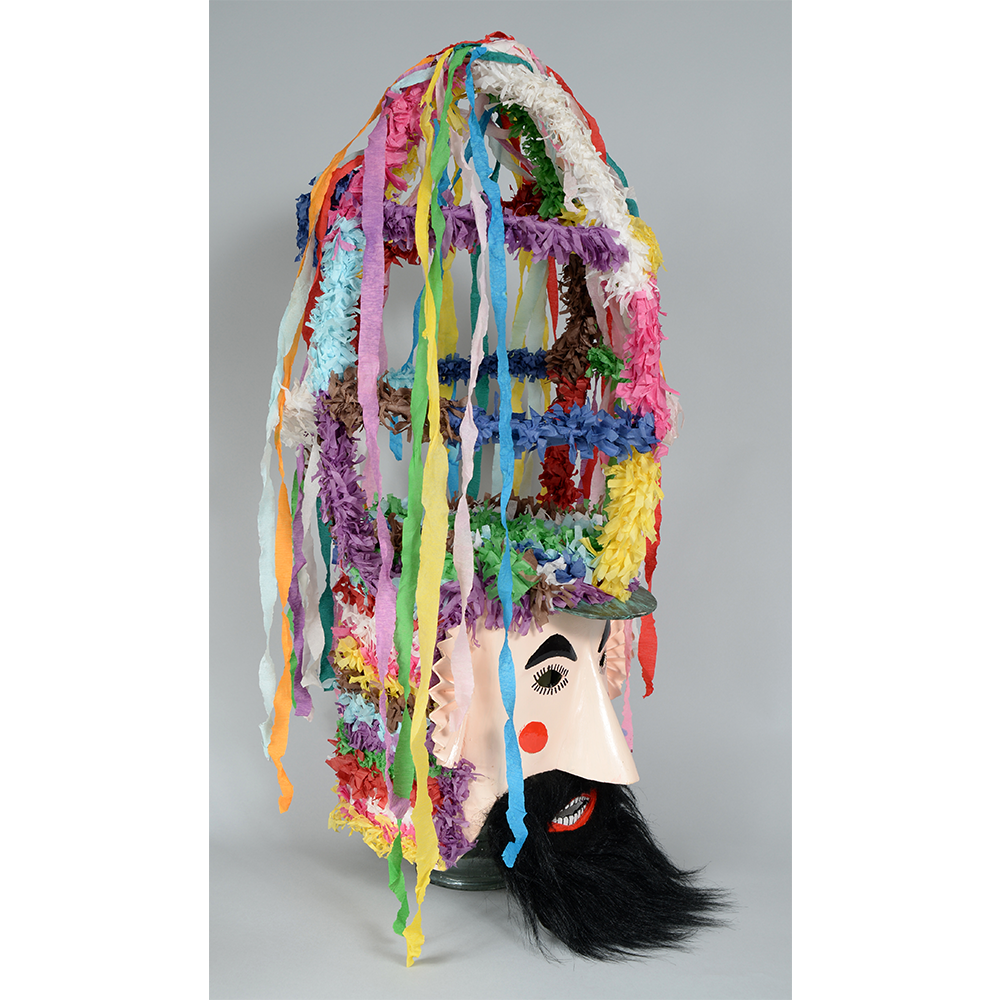
In Santa Mariña de Froxais, whence this mask comes, the boteiros typically wear handmade wooden masks, lacquered but otherwise left their natural color, and a very large superstructure (pantalla) attached to the top of the mask made of heavy iron, covered with cardboard and colorful paper. The masks may weigh as much as 30 pounds (14 kg). The ability to run, jump, and vault while wearing the mask demonstrates the masquerader’s strength and athletic prowess.

Click above to watch a short video of the Carnival of Viana do Bolo, Spain.

:

TITLE: Jarramplas Mask
TYPE: helmet mask
GENERAL REGION: Europe
COUNTRY: Spain
SUBREGION: Extremadura
ETHNICITY: Iberian
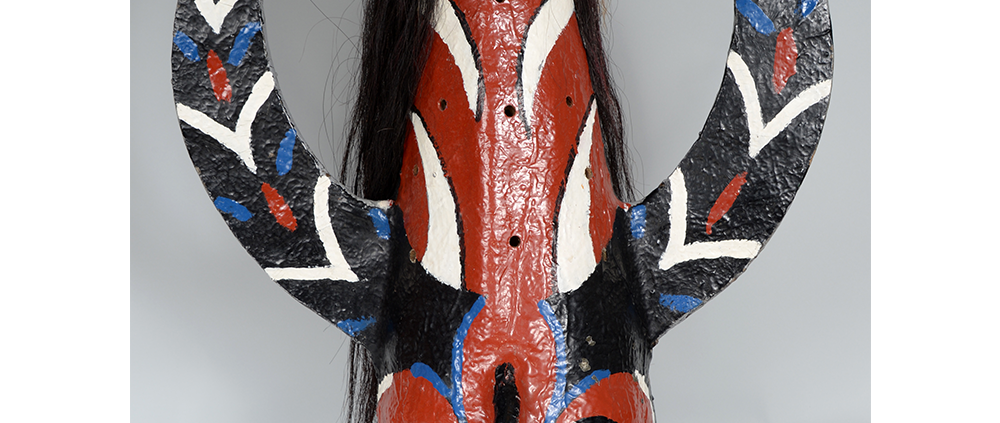
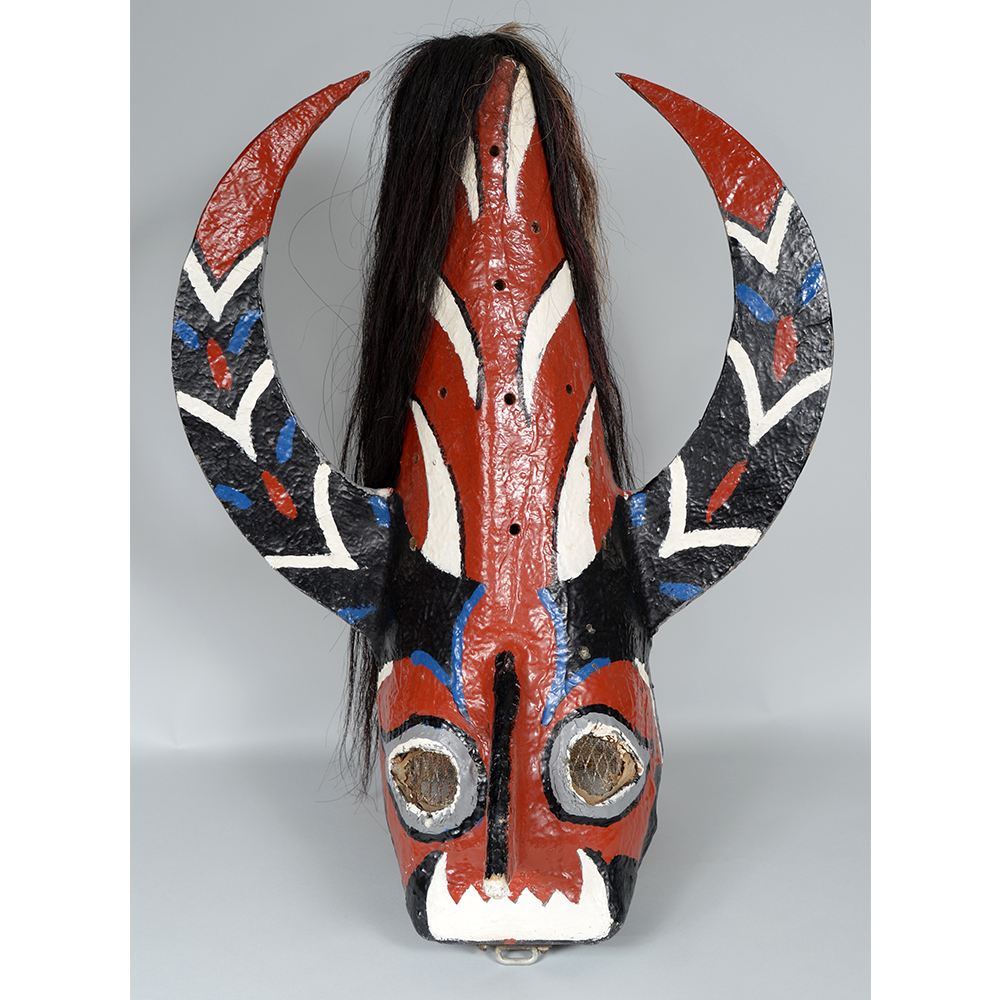
DESCRIPTION: Jarramplas Mask
CATALOG ID: EUES008
MAKER: Marcos Calle Vicente, Piornal (1972- )
CEREMONY: Fiesta de San Sebastián
AGE: 2002
MAIN MATERIAL: fiberglass
OTHER MATERIALS: metal hardware; steel mesh; oil-based paint; horsehair; fiberboard; foam rubber; adhesive

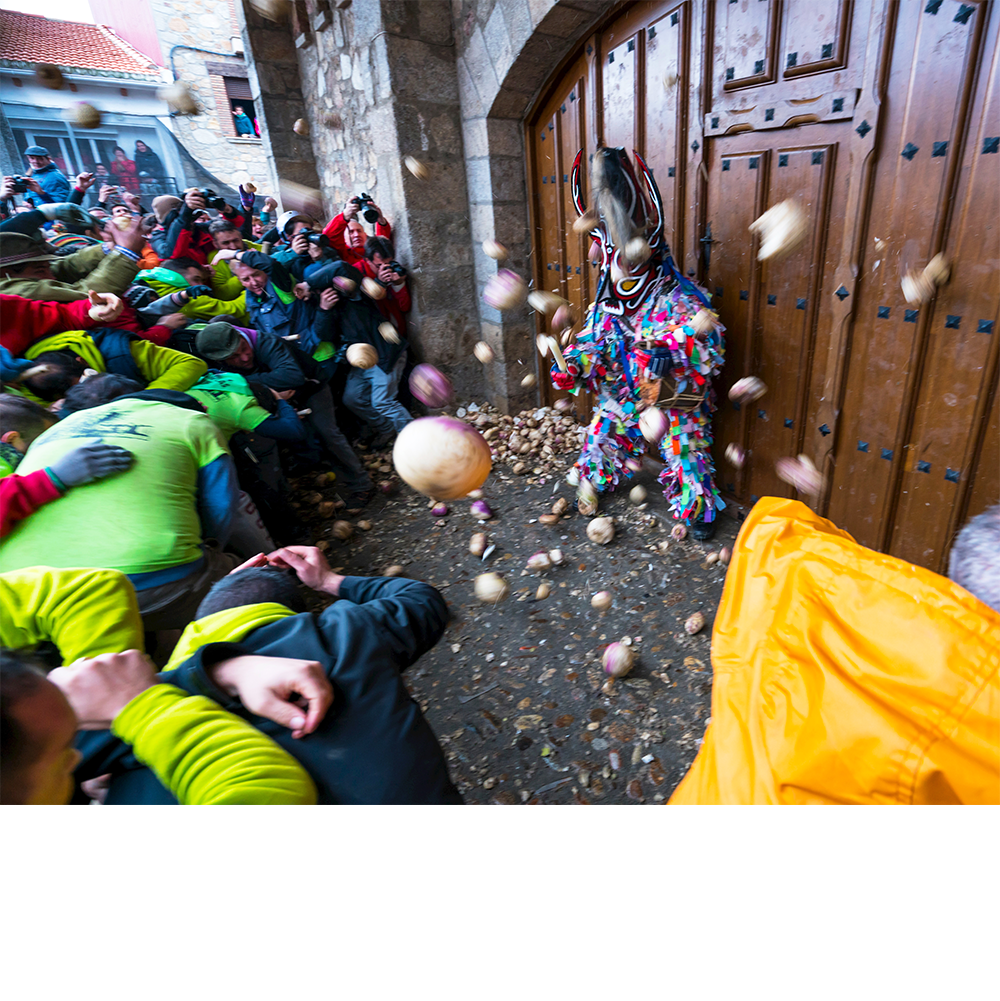
Jarramplas is an annual festival held primarily in the mountain town of Piornal in Extremadura, Spain, during the Festival of St. Sebastian (January 19 & 20). The tradition begins with a man dressed as a devil in heavy armor playing a small drum while running along the town streets. Inhabitants of the town chase him until they corner him, surround him, and continually pelt him with large, heavy turnips. Meanwhile, he continues to play the drum until midnight, being pelted viciously all the while. The Festival ends with a High Mass and an invitation to the celebrated Jarramplas to come to eat migas (a dish made of bread crumbs, pork ribs or sausage, spinach, and seasonings) at the local prefect’s house.

The origins of this ancient are contested. Some believe the Jarramplas represents a cattle thief getting his due but ultimately reforming at the hands of the religious authorities. Others think he represents St. Sebastian himself, who was reputedly shot full of arrows, for which the turnips are symbolic.

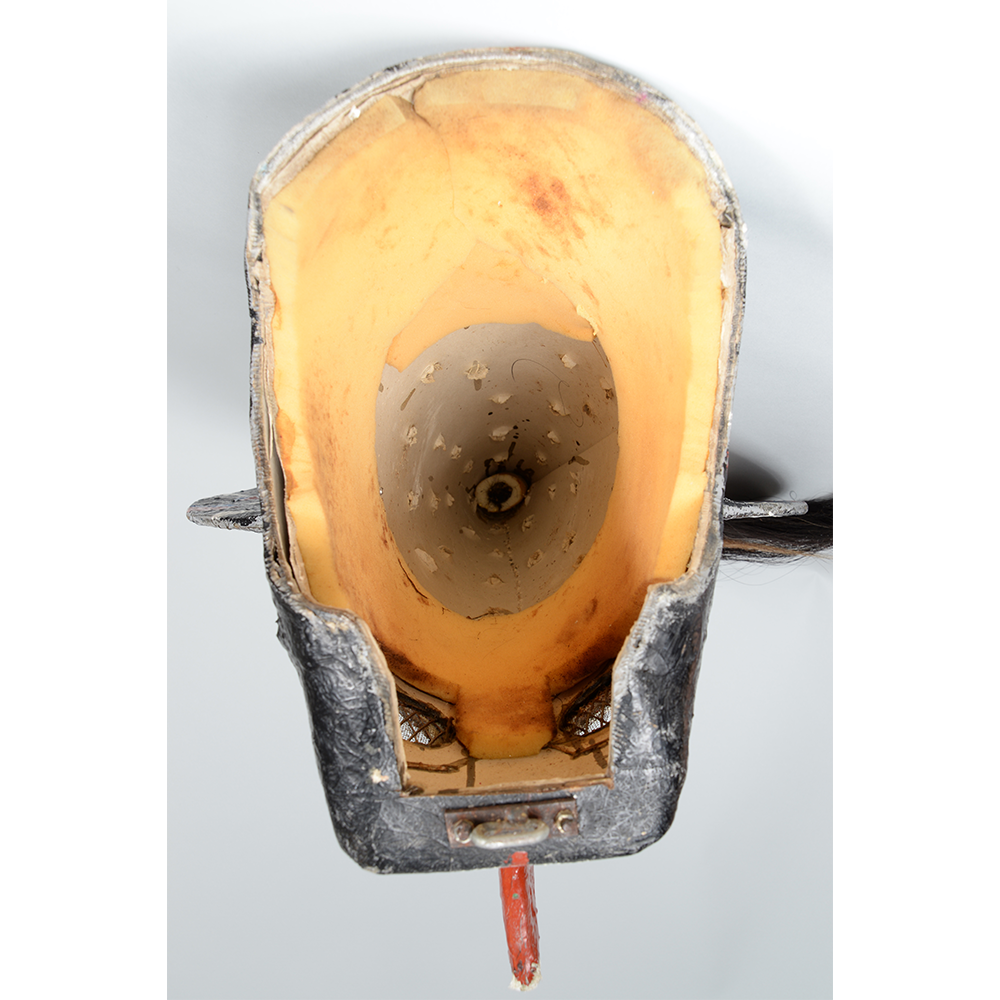
Because the turnips are sizable and thrown vigorously, the Jarramplas has always worn an armored costume. Originally, masks were made of wood, but for many years they have been constructed from hard fiberglass and fiberboard, and padded internally with foam rubber. The helmet is physically fitted to the armored suit, composed of iron rods and fiberglass, and covered with multicolored rags. There are usually only one or two dedicated Jarramplas masqueraders during each festival.

This mask was graciously donated to the Museum by the maker, Marcos Calle Vicente, and the Township of Piornal, with special thanks to Ms. Clara Calle.

:

TITLE: Careto
TYPE: face mask
GENERAL REGION: Europe
COUNTRY: Portugal
SUBREGION: Bragança
ETHNICITY: Iberian
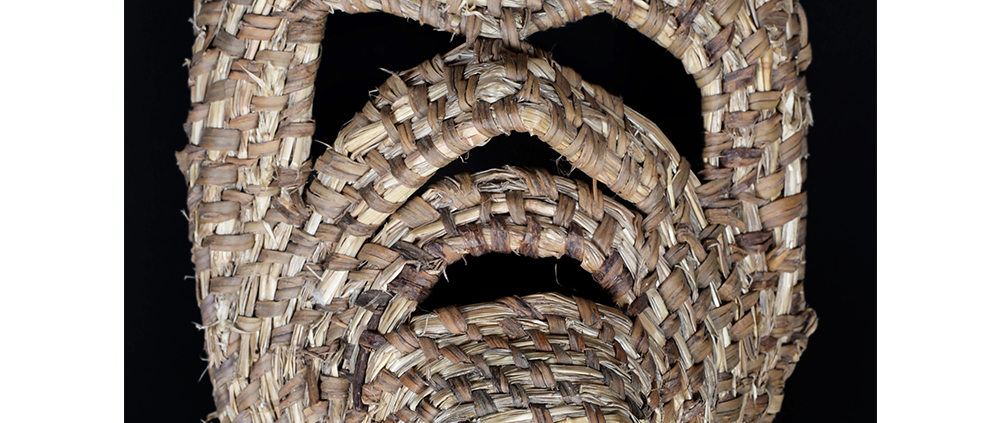
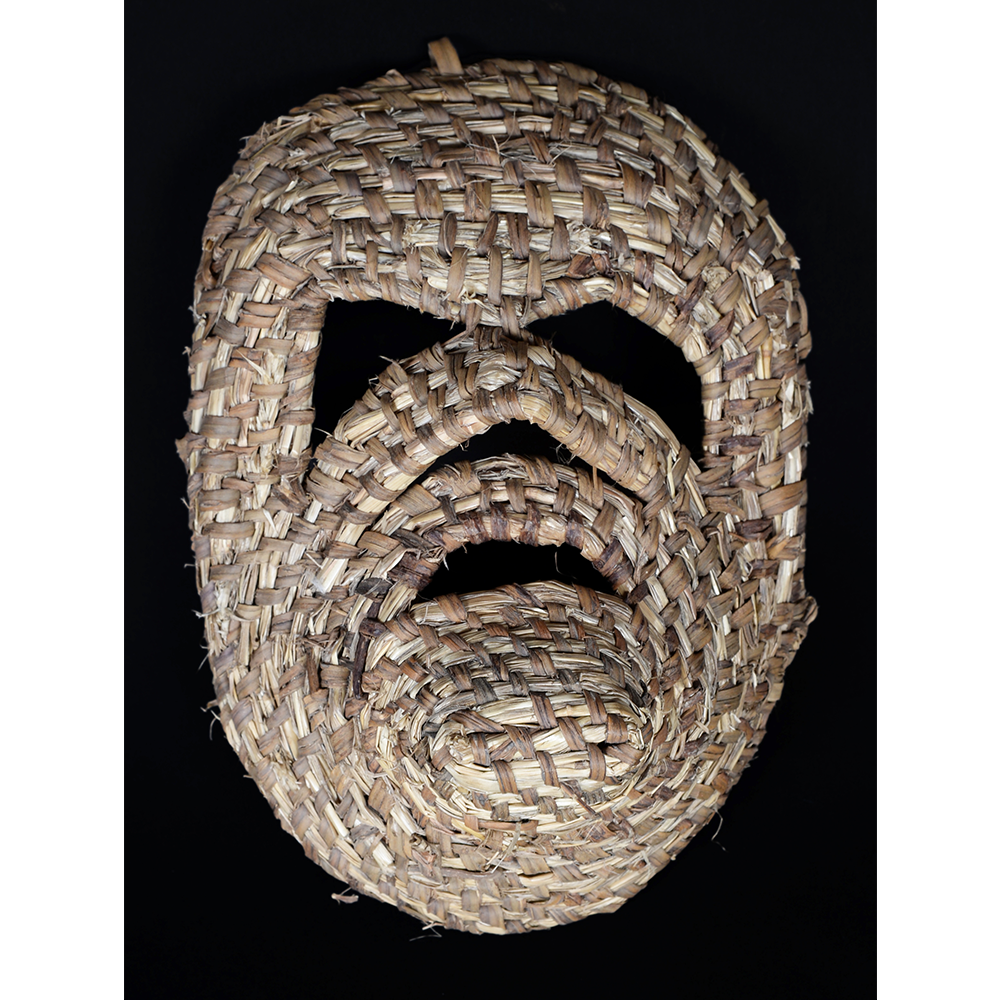
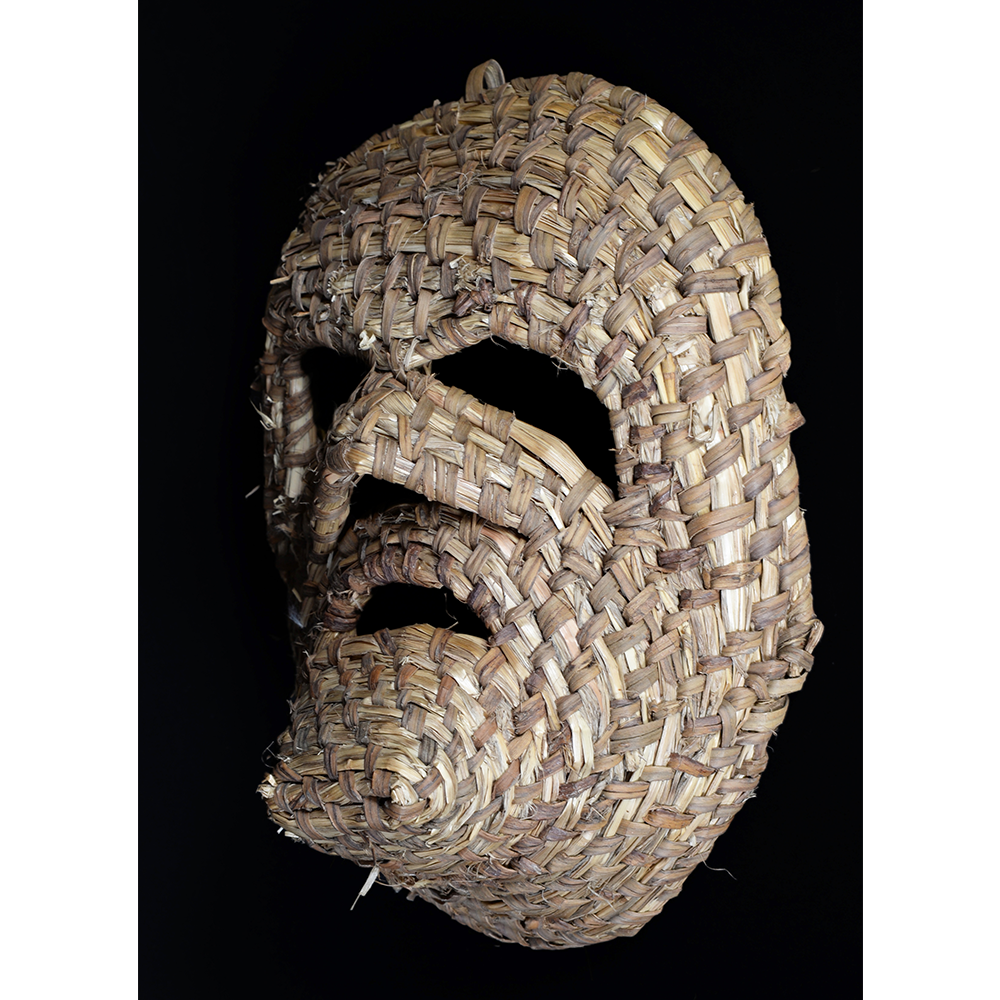
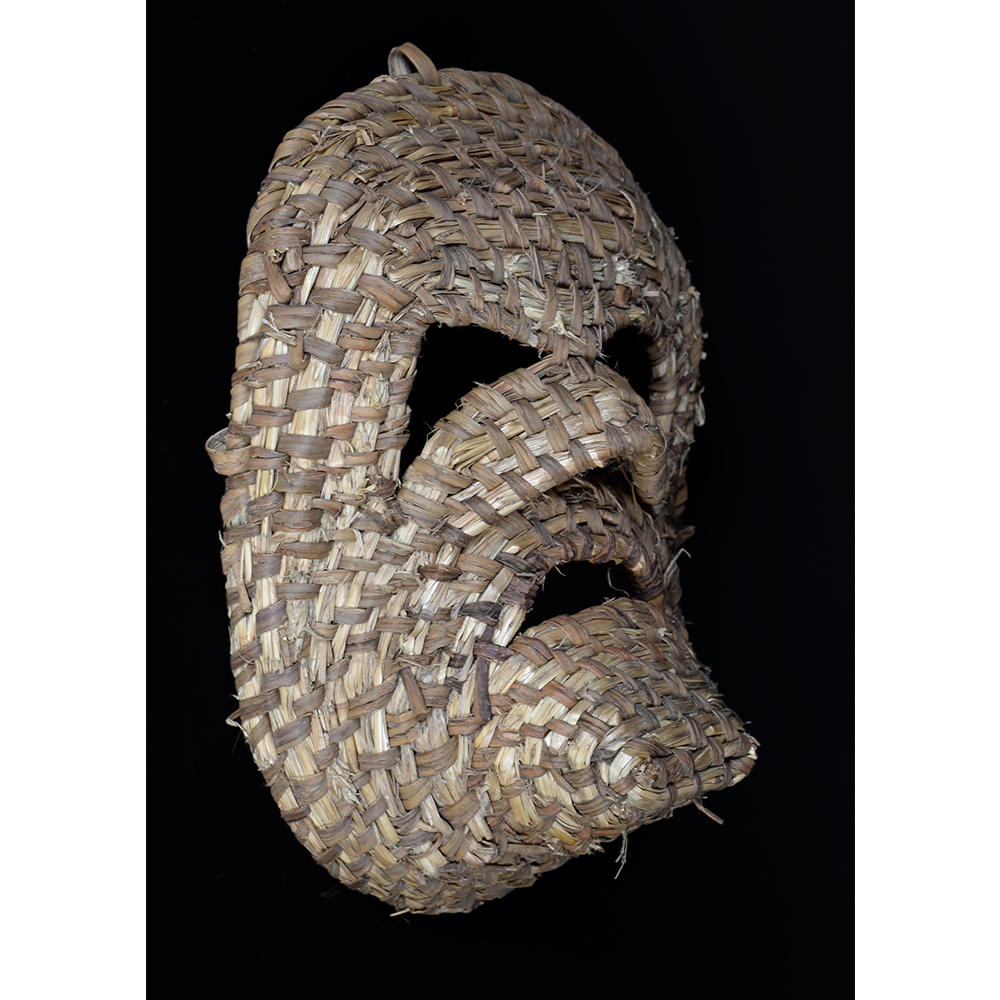
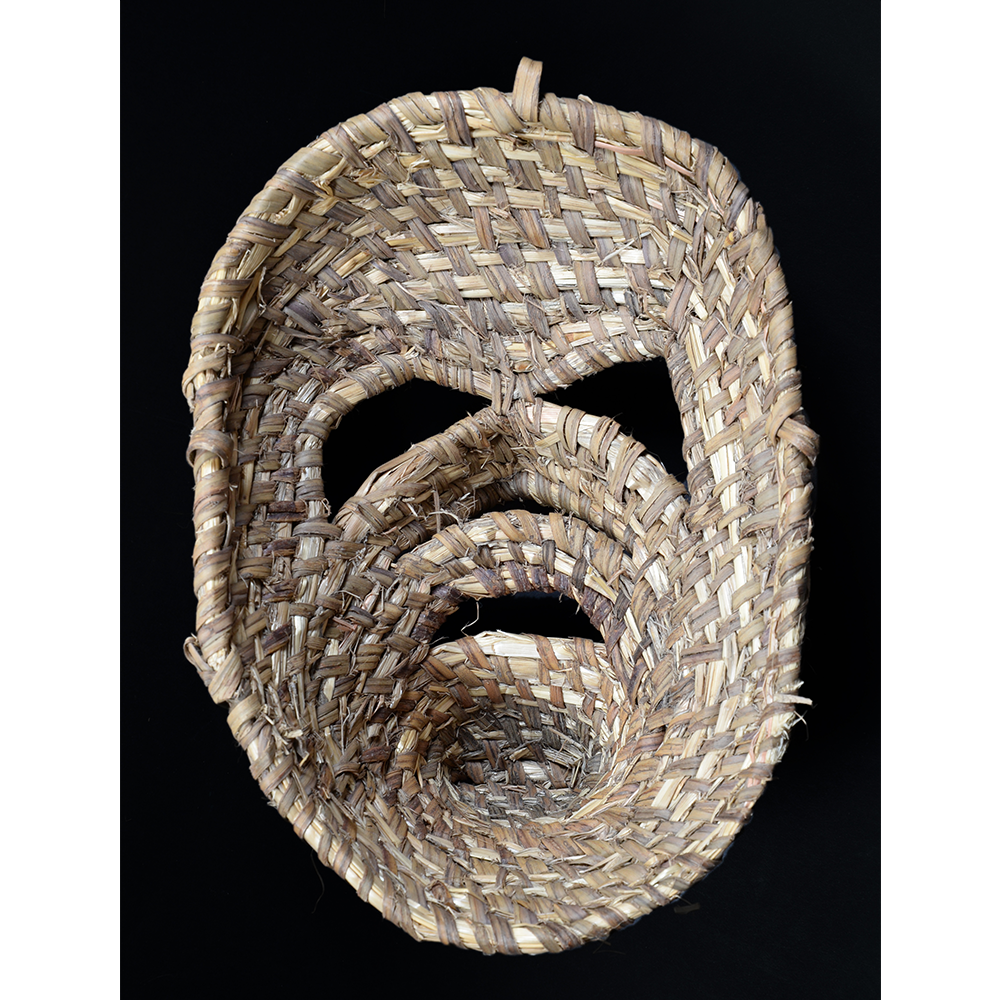
DESCRIPTION: Basketry Careto
CATALOG ID: EUPT002
MAKER: António Alves (Varges, Bragança, 1949- )
CEREMONY: Entrudo (Carnival)
AGE: 2016
MAIN MATERIAL: plant fiber (escrinho)
OTHER MATERIALS: N/A

In Bragança, Portugal, Carnival (frequently called Entrudo) masks may be composed of a wide variety of materials, most commonly metal, leather, wood, cork, or, as here, escrinho (woven straw). Such masks typically have devilish features, representing the freedom enjoyed by the celebrant that would be considered sinful, or at least socially unacceptable, at other times of the year. Carnival is the Shrovetide season of maximal social freedom prior to the Catholic fasting season of Lent. In Catholic countries such as Portugal, parties, parades, feasting, and cultural events are commonly organized during the Carnival season, primarily on “Fat Sunday” and “Fat Tuesday.”

:

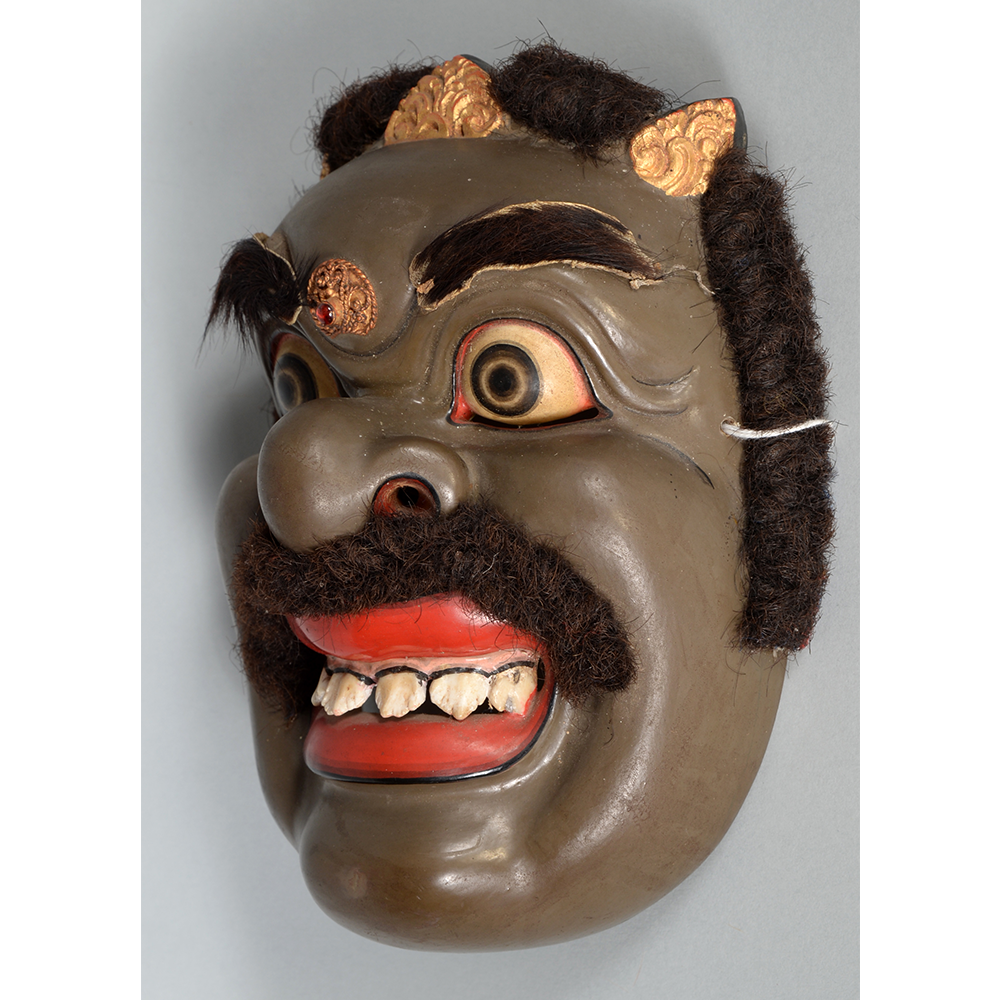
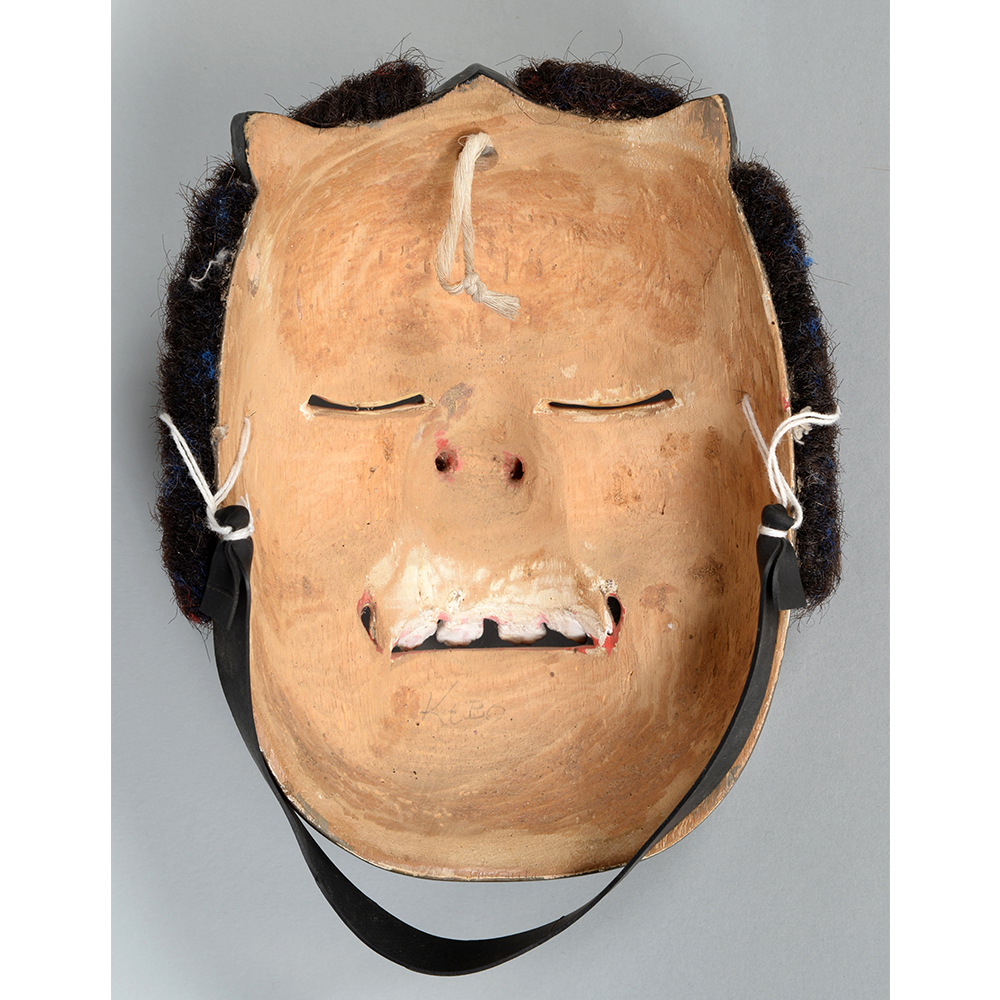
TITLE: Topeng Kabo Iwo
TYPE: face mask
GENERAL REGION: Asia
COUNTRY: Indonesia
SUBREGION: Bali
ETHNICITY: Balinese
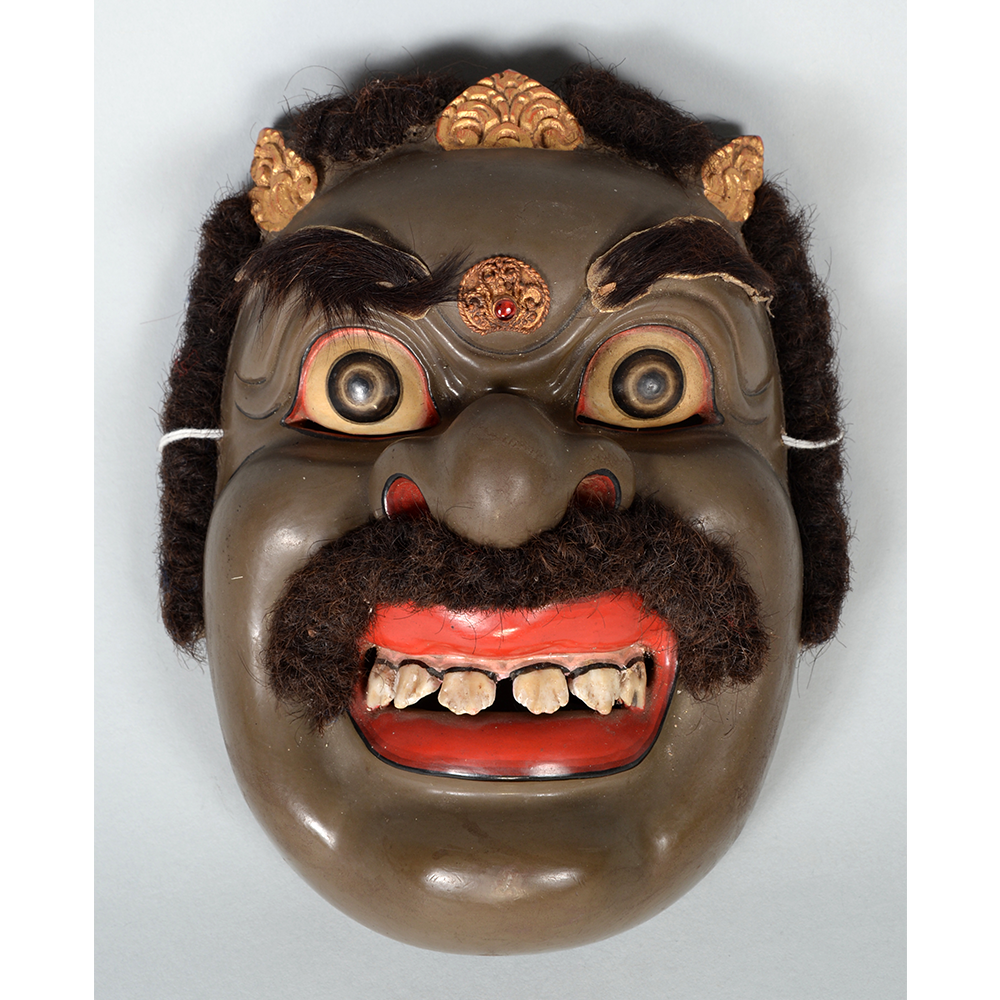
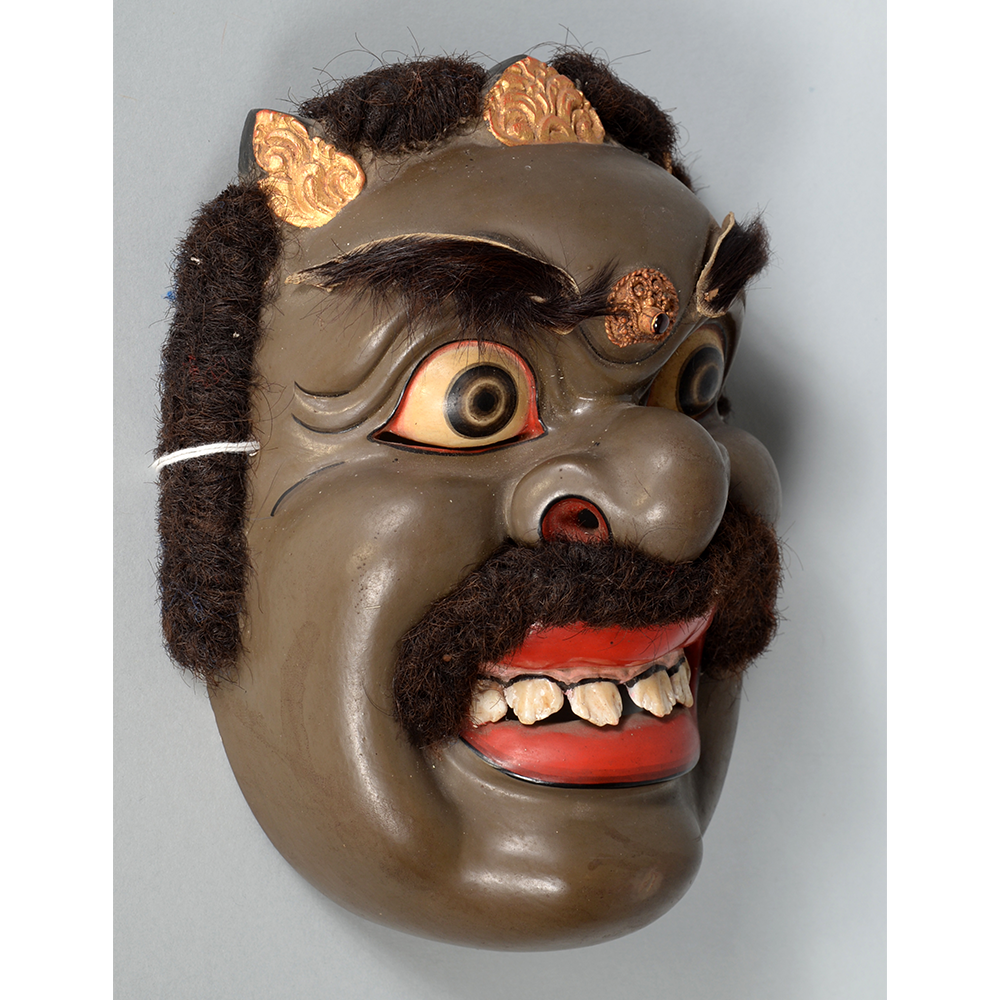
DESCRIPTION: Kabo Iwo Mask
CATALOG ID: ASID004
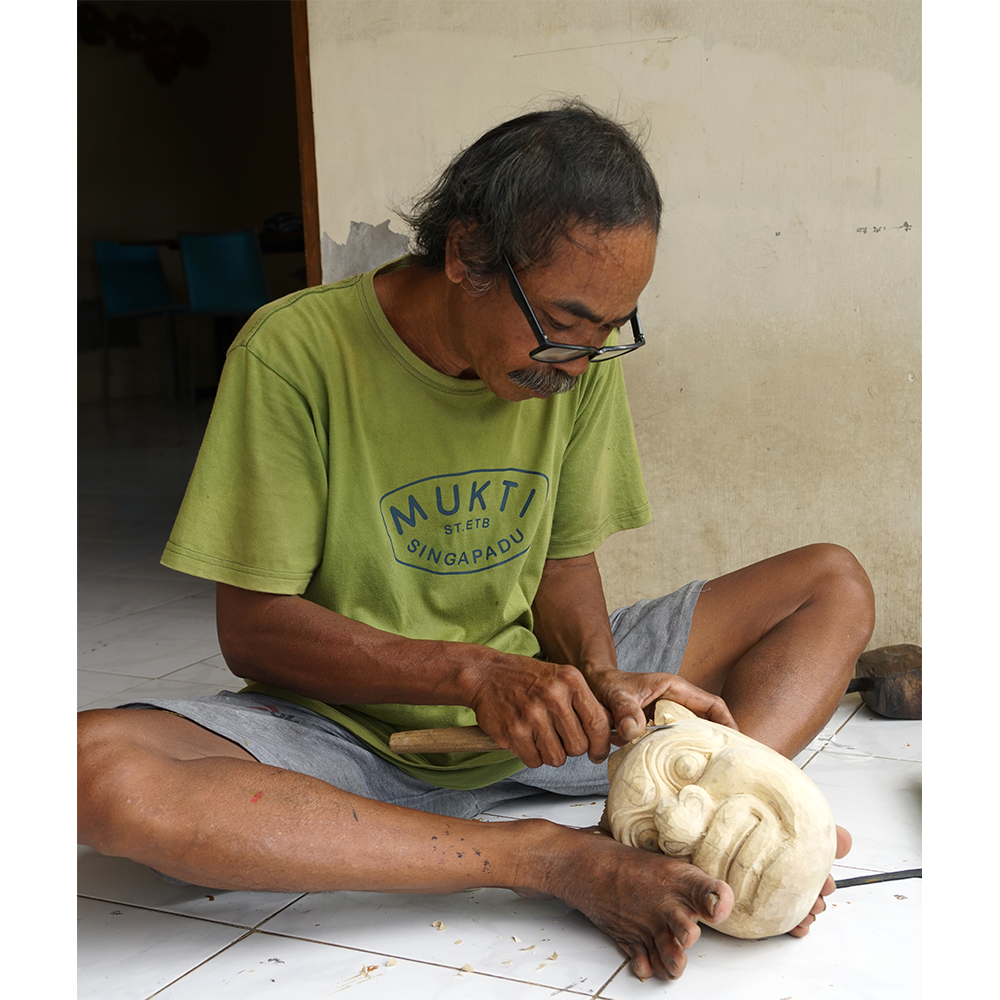
MAKER: Ida Ketut Berati, Singapadu (1967- )
CEREMONY: Topeng Dance Drama
AGE: 1987
MAIN MATERIAL: pule wood
OTHER MATERIALS: paint; pig teeth; human hair; gilded silver jewelry; semi-precious stones

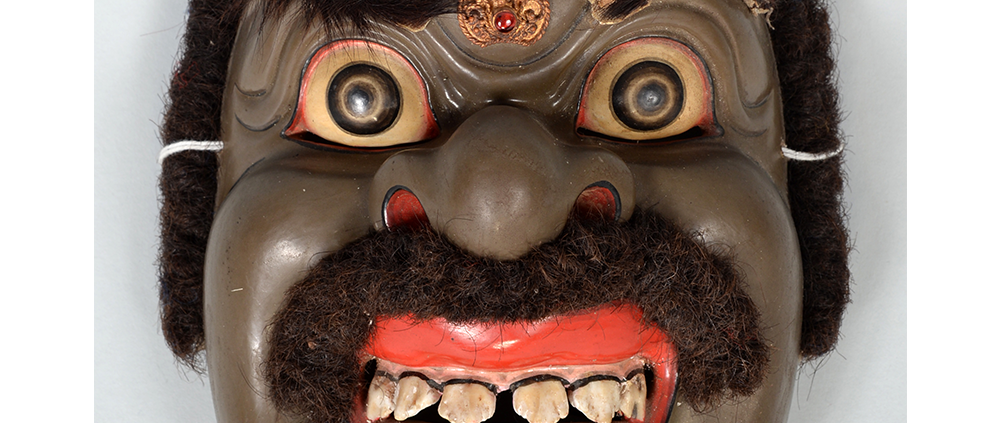
The Topeng dance drama is an important traditional entertainment and education on the island of Bali, Indonesia. Its origin can be traced to the oral history of the Balinese people and venerable palm-leaf written histories, influenced by Hinduism imported from India. The dance may have originated as early as 840 CE. Most stories depicted in this drama, called Babad Dalem, tell a political history of the islands of Bali and Java as written by the court poets of the regional kings.

Other stories are folk tales. This specific mask represents a character known as Kabo IwoKabo Iwo is a cannibalistic giant and very rarely represented in Topeng drama.

For more on Balinese masks, see Judy Slattum, Masks of Bali: Spirits of an Ancient Drama (San Francisco: Chronicle Books, 1992).

:

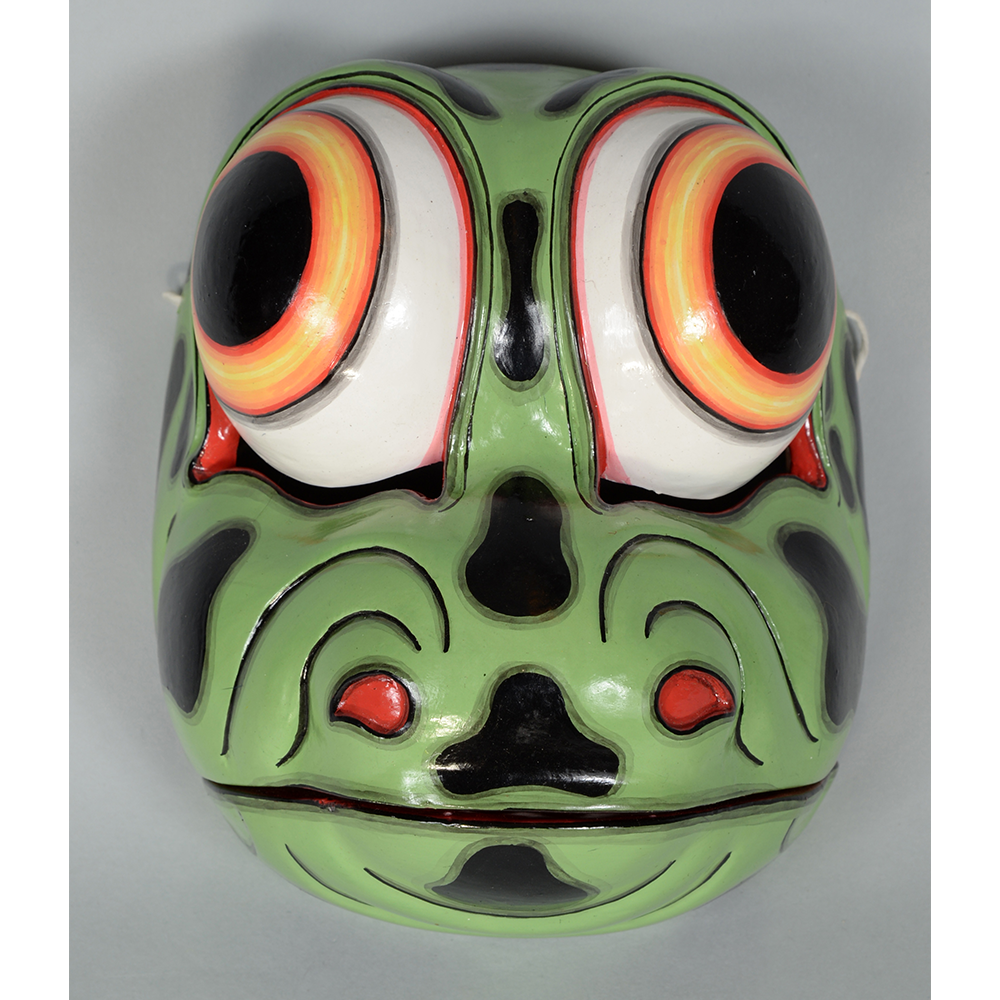
TITLE: Topeng Kodok
TYPE: face mask
GENERAL REGION: Asia
COUNTRY: Indonesia
SUBREGION: Bali
ETHNICITY: Balinese
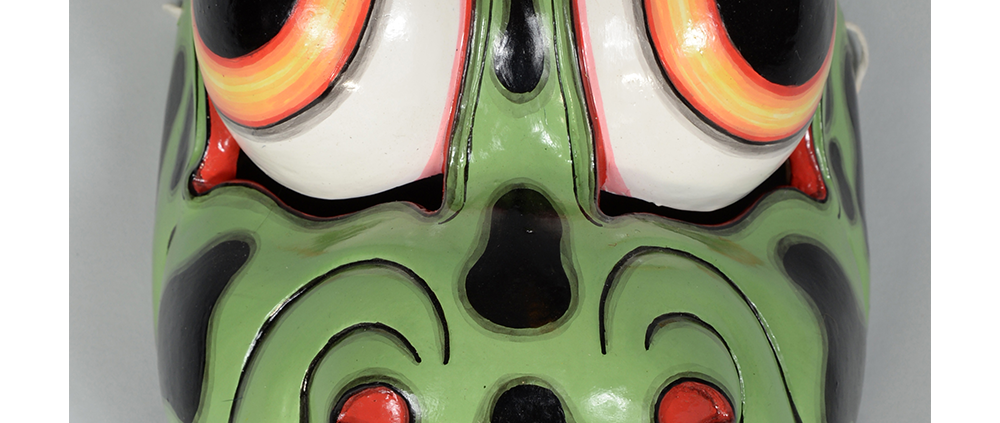
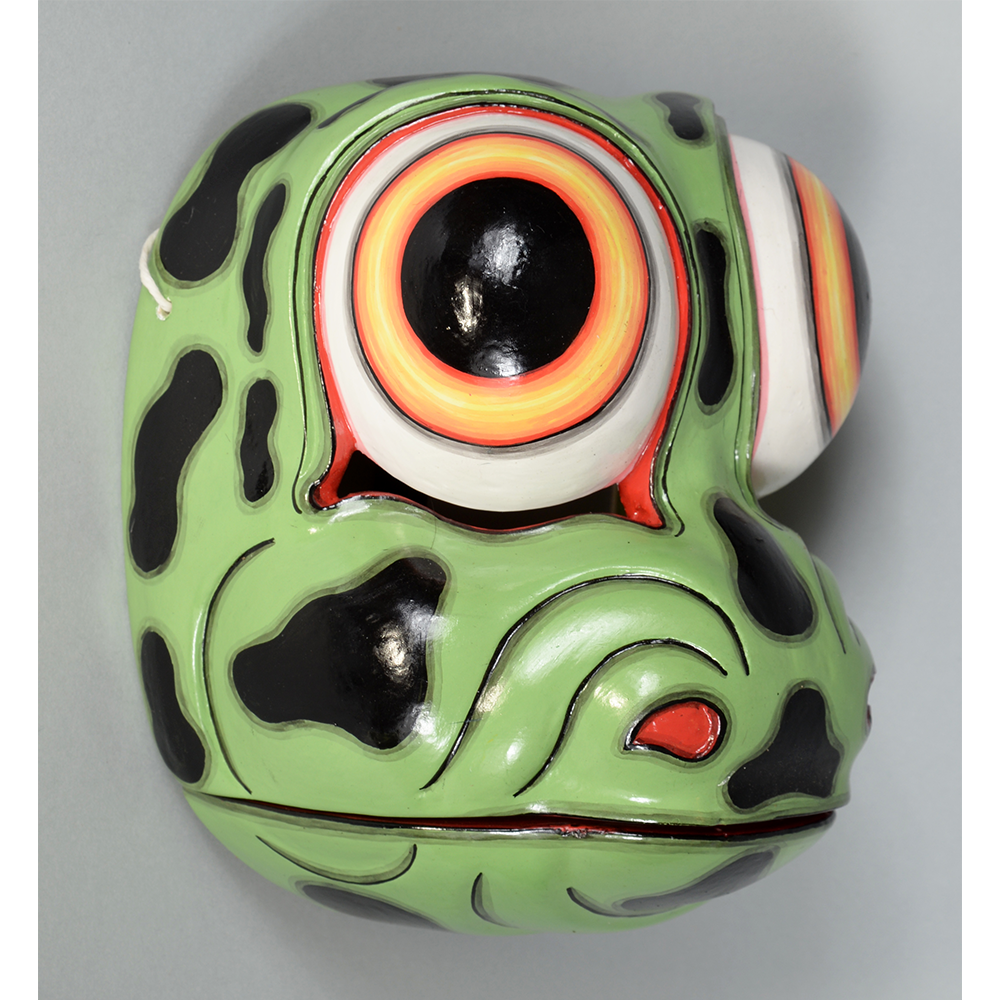
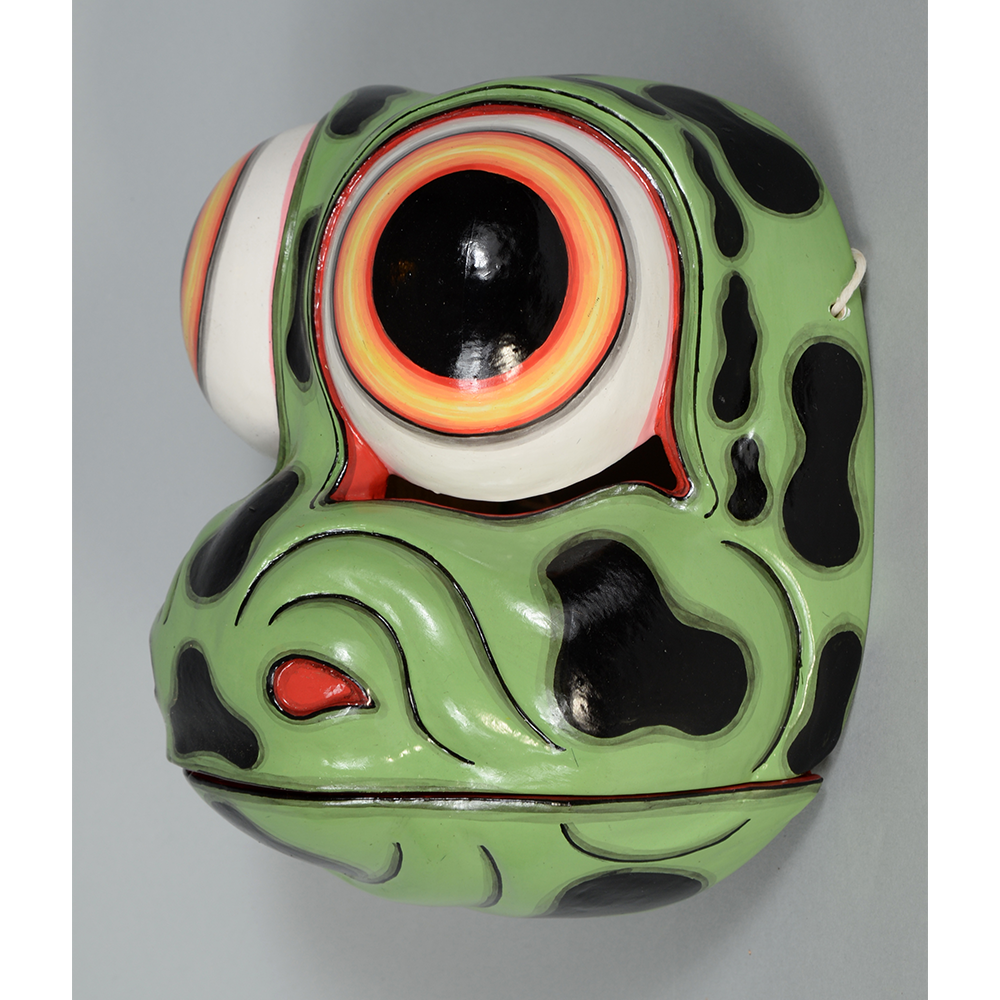
DESCRIPTION: Kodok (Frog Princess) Mask
CATALOG ID: ASID007
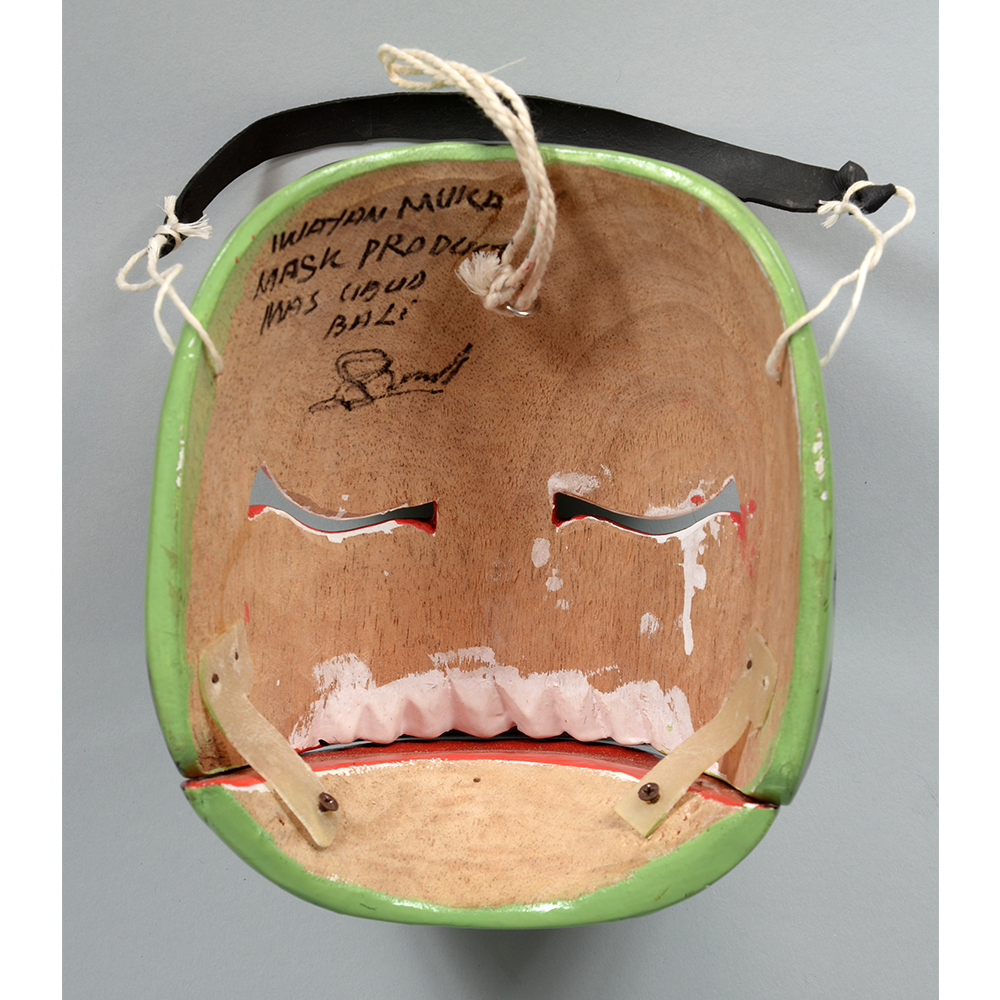
MAKER: Ida Wayan Muka (1971- , Mas Ubud, Bali)
CEREMONY: Topeng Dance Drama
AGE: 2018
MAIN MATERIAL: pule wood
OTHER MATERIALS: oil-based paint; string; rubber straps

The Topeng dance drama is an important traditional entertainment and education on the island of Bali, Indonesia. Its origin can be traced to the oral history of the Balinese people and venerable palm-leaf written histories, influenced by Hinduism imported from India. The dance may have originated as early as 840 CE. Most stories depicted in this drama, called Babad Dalem, tell a political history of the islands of Bali and Java as written by the court poets of the regional kings.

Other stories are folk tales. This specific mask represents a character known as KodokKodok is a frog princess from an eponymous story (Kodok Ngokek). In the drama, Kodok‘s parents oppose her marriage to a frog prince (Godogan), and play revolves around the prince’s efforts to win their approval. The mask was carved and painted by the master craftsman I. Wayan Muka.

For more on Balinese masks, see Judy Slattum, Masks of Bali: Spirits of an Ancient Drama (San Francisco: Chronicle Books, 1992).

:

TITLE: Topeng Bedahulu
TYPE: face mask
GENERAL REGION: Asia
COUNTRY: Indonesia
SUBREGION: Bali
ETHNICITY: Balinese
DESCRIPTION: Bedahulu (Beda Ulu) Putih Mask
CATALOG ID: ASID008
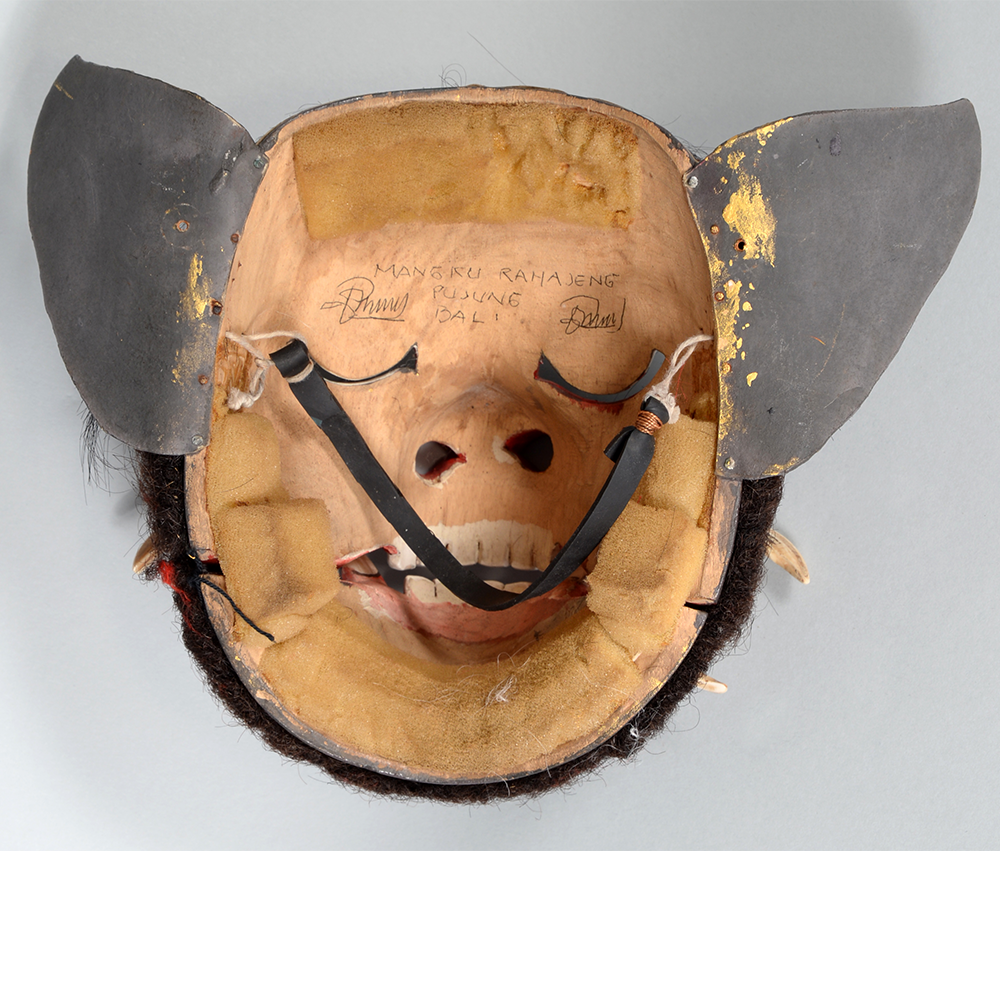
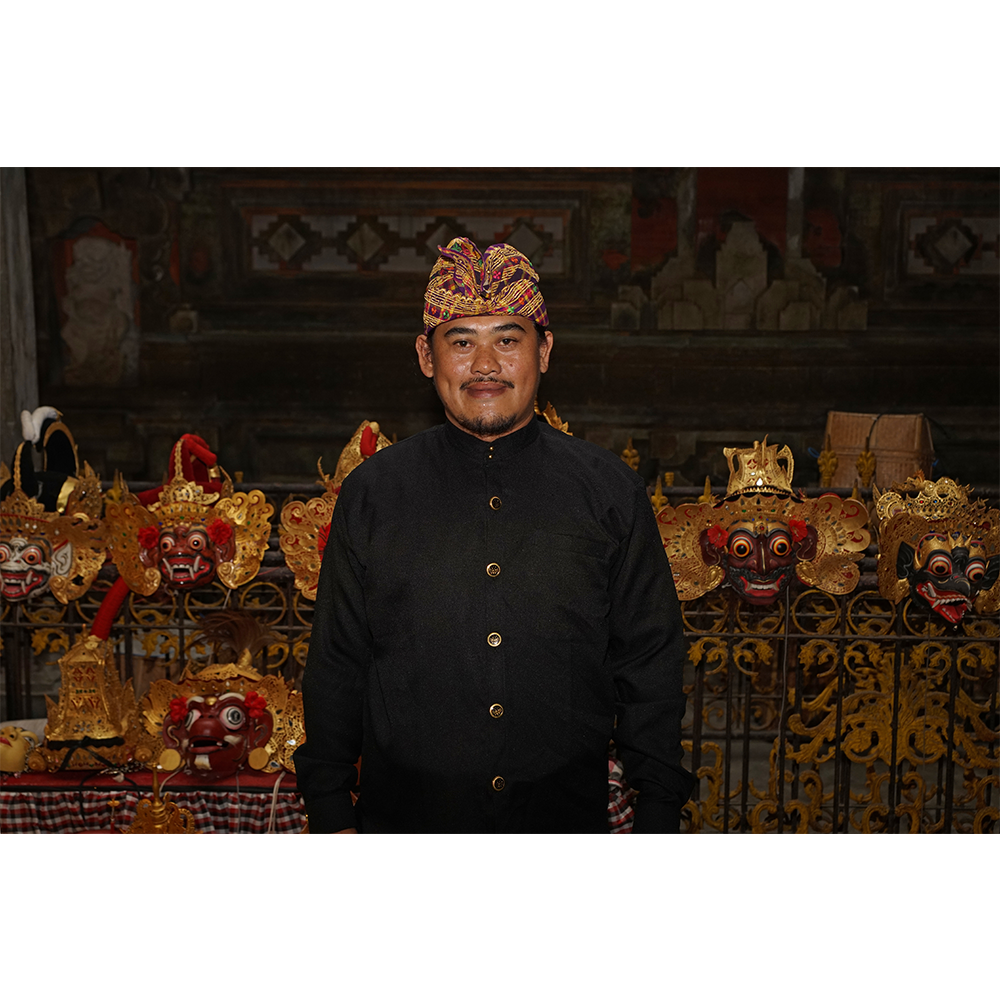
MAKER: Jero Manku Pande Made Rahaejeng (Banjar Pujung Kaja Desa Talipud, 1976- )
CEREMONY: Topeng Dance Drama
AGE: 1990
MAIN MATERIAL: pule wood
OTHER MATERIALS: paint; human hair; boar tusks; string; rubber straps; foam rubber

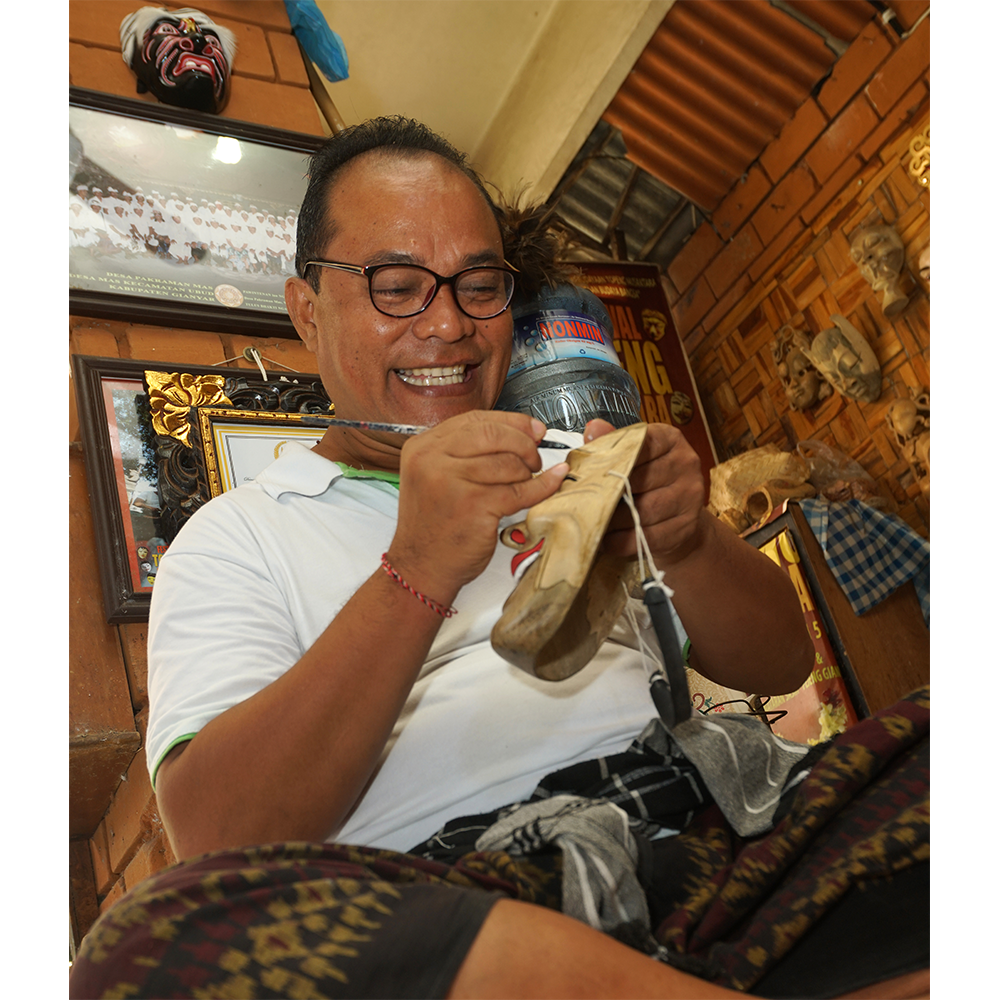
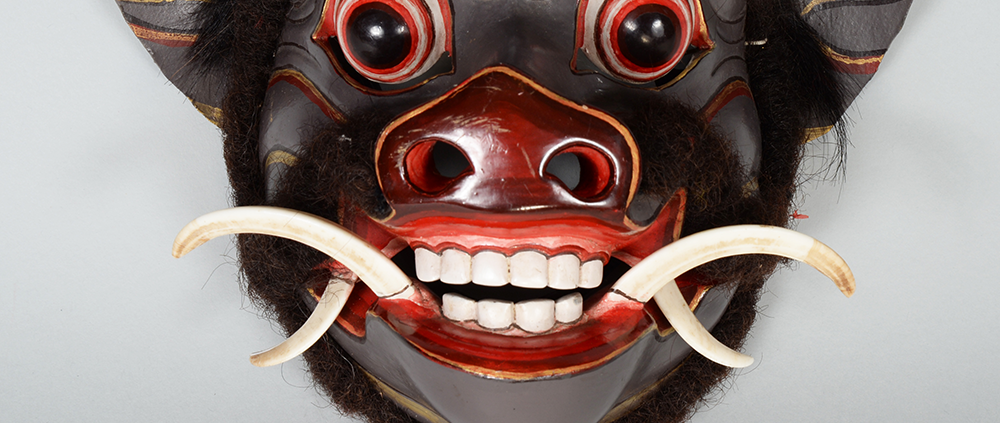
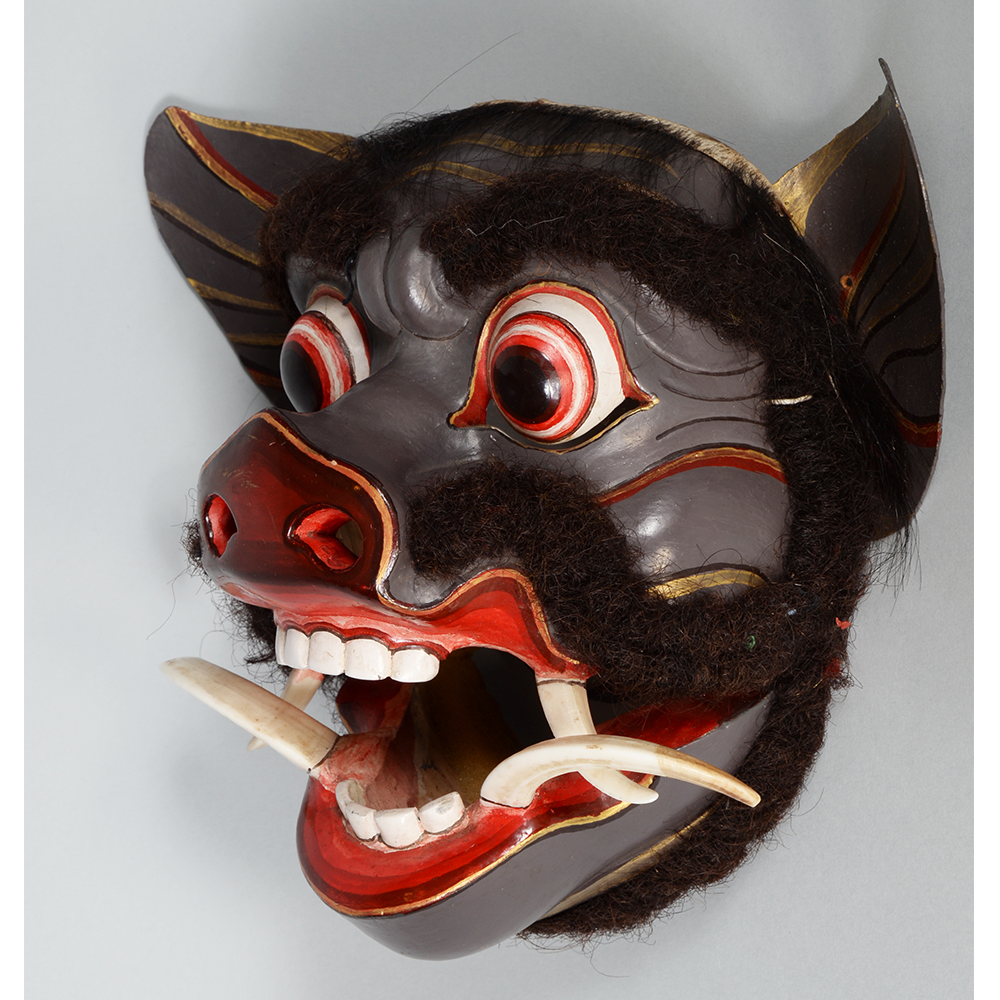
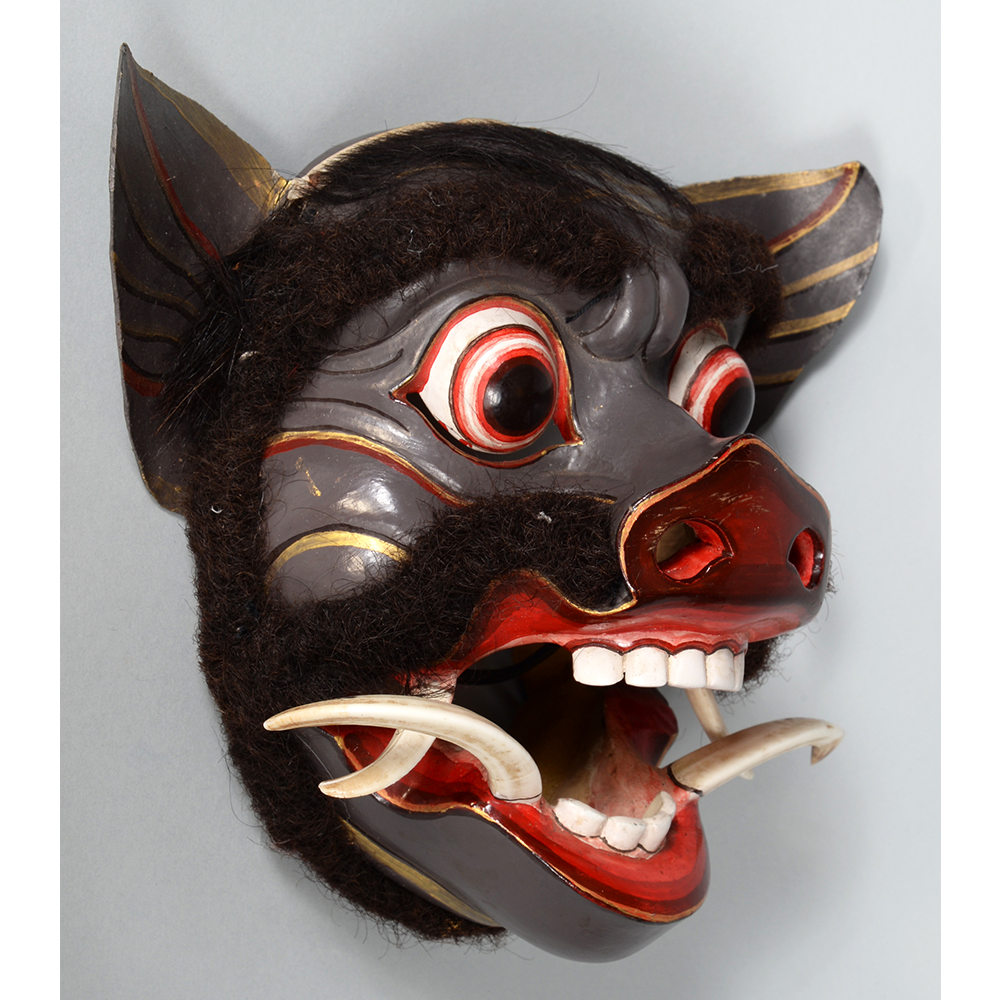
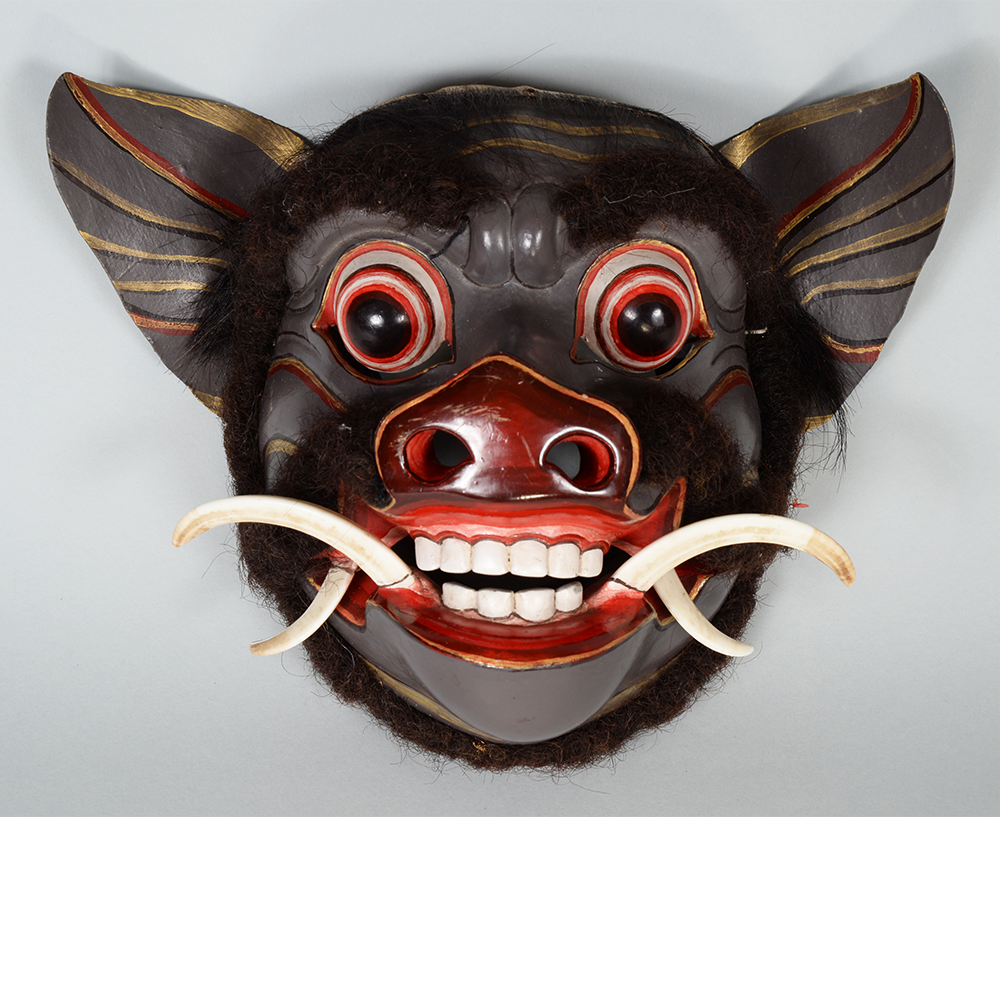
Some Topeng dance dramas of Bali depict folk tales having their origin in Hindu scriptures, while others are indigenous to the island. This mask belongs to the latter tradition. It depicts Bedahulu, also spelled Beda Ulu, a king with the title “Astasura Ratna Bumi Banten.” He practiced black magic until he was transformed into a wild boar demon named Babi Ngepet, then he sneaked into villages at night to rob the villagers.

For more on Balinese masks, see Judy Slattum, Masks of Bali: Spirits of an Ancient Drama (San Francisco: Chronicle Books, 1992).

:

TITLE: Fieros Mask
TYPE: face mask
GENERAL REGION: Latin America
COUNTRY: Guatemala
SUBREGION: Escuintla
ETHNICITY: Mayan (Q’eqchi’)
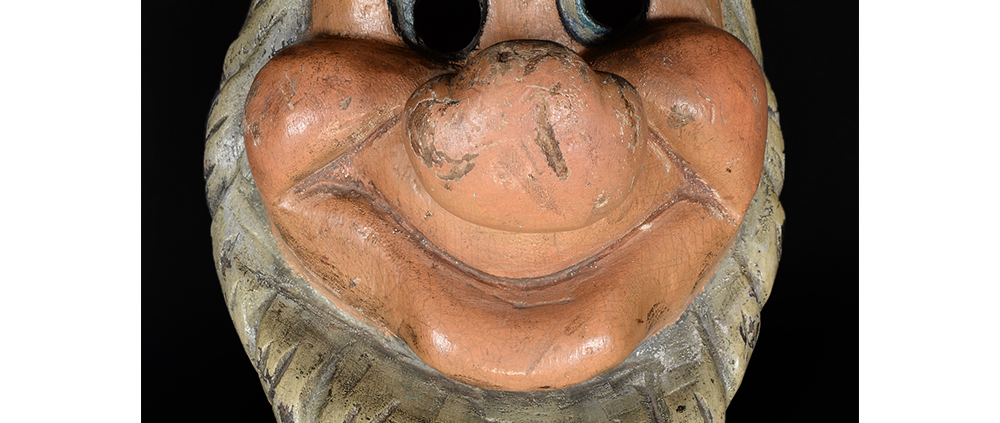
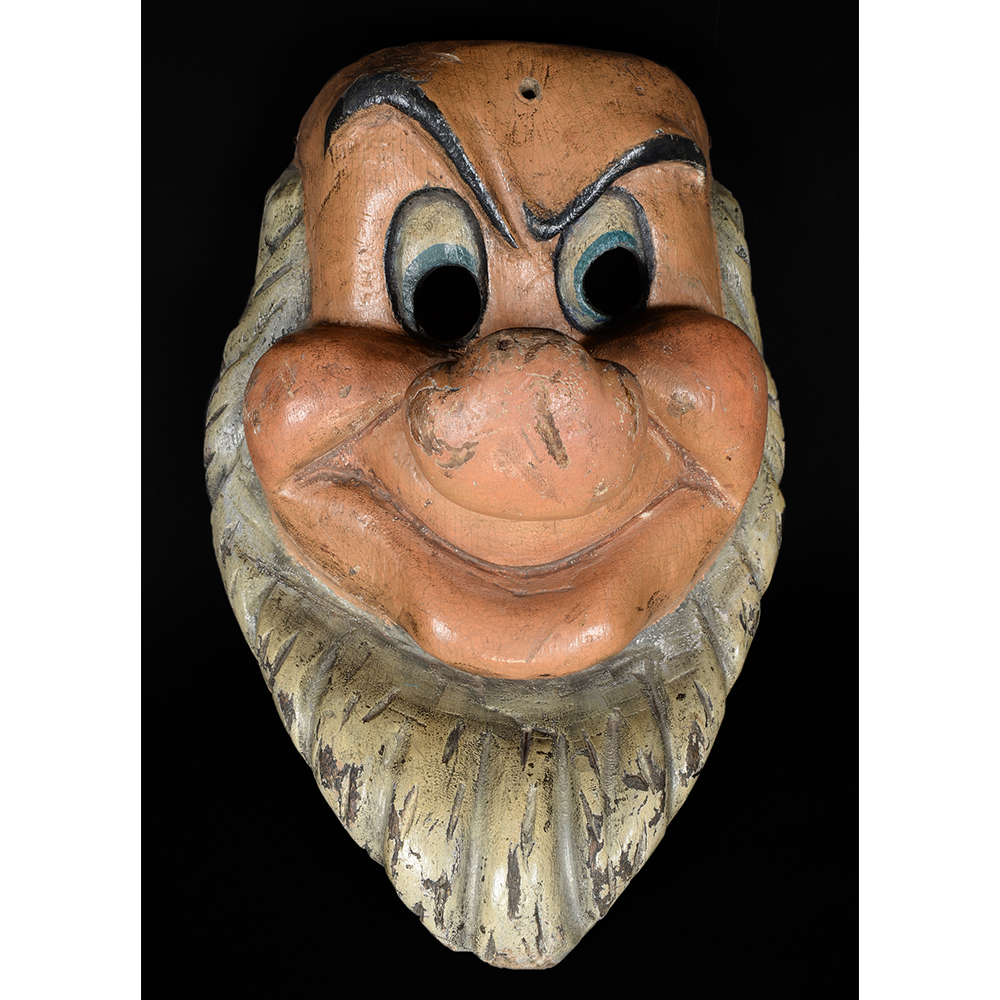
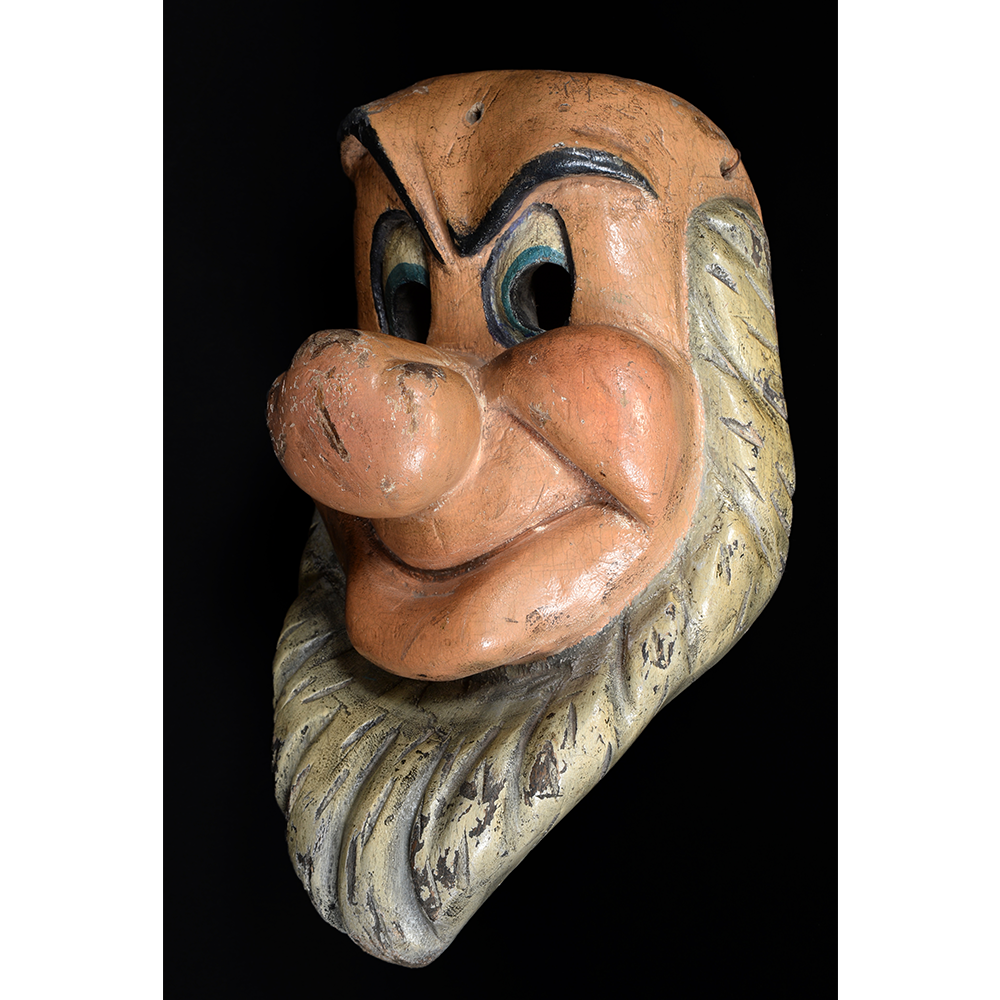
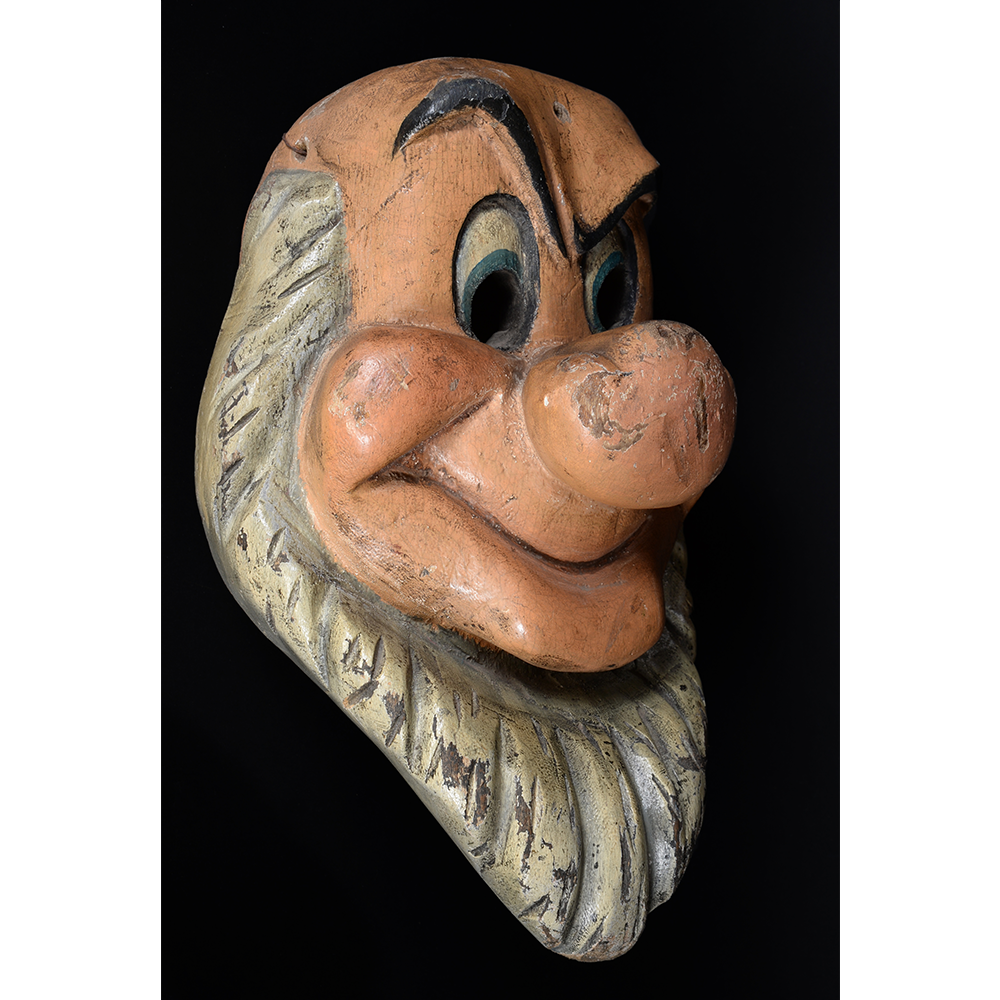
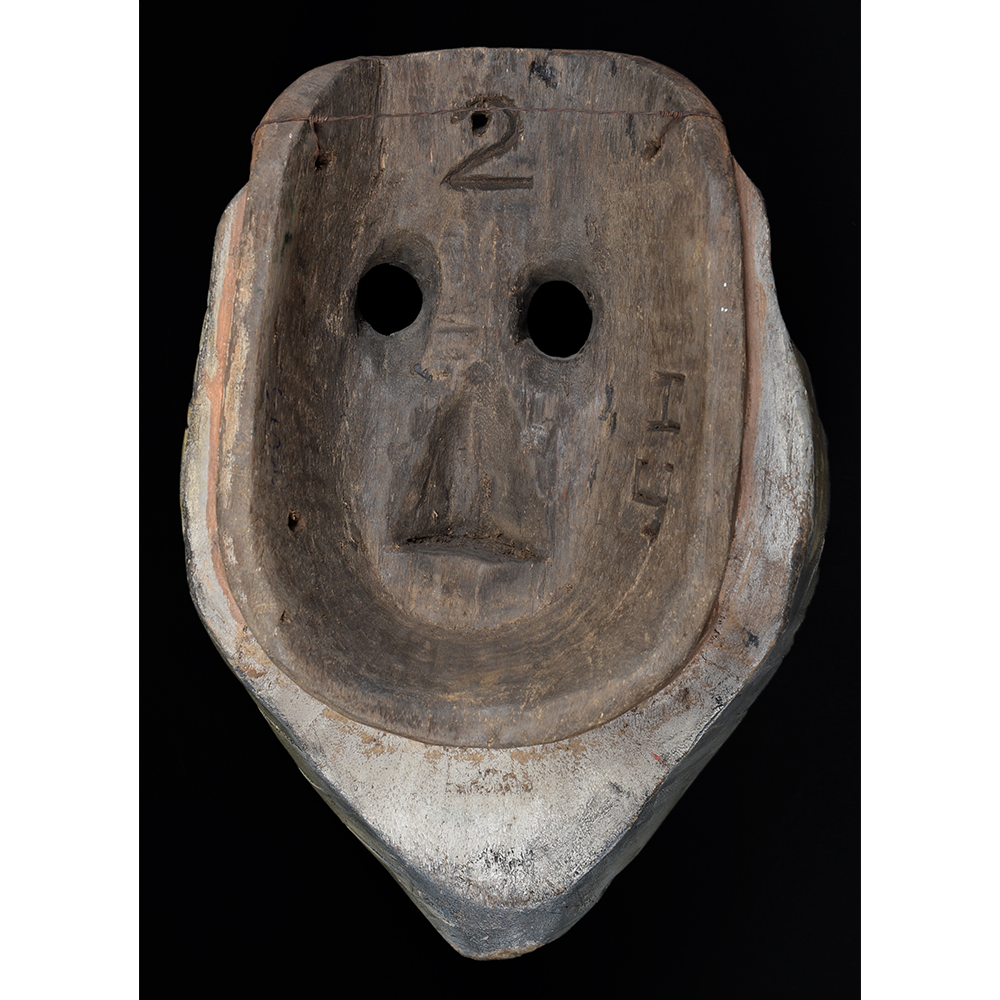
DESCRIPTION: Fieros Mask of Grumpy the Dwarf
CATALOG ID: LAGT017
MAKER: Unknown maker in Palin
CEREMONY: Baile de los Fieros
AGE: 1960s
MAIN MATERIAL: wood
OTHER MATERIALS: paint

The Baile de los Fieros (Dance of the Wild Ones) is performed on Corpus Christi in the streets of some small towns in Guatemala in the course of a parade. The dancers precede the town priest and the image of the town’s patron saint beginning at the church and circulating around town. The dancers wear a wide variety of masks and costumes, including clowns, animals, and popular characters. The mask participants are continuously attacked by a man in a bull costume made of a wood frame covered with leather. The bull is violently swung at the participants who attempt to dodge the attacks and are occasionally injured. The heavy masks help protect the faces of the dancers.

This specific mask dates to the 1960s and represents the character Grumpy from the 1937 Disney movie Snow White and the Seven Dwarfs.

For more on Guatemalan masks, see Jim Pieper, Guatemala’s Masks and Drama (University of New Mexico Press, 2006).

:

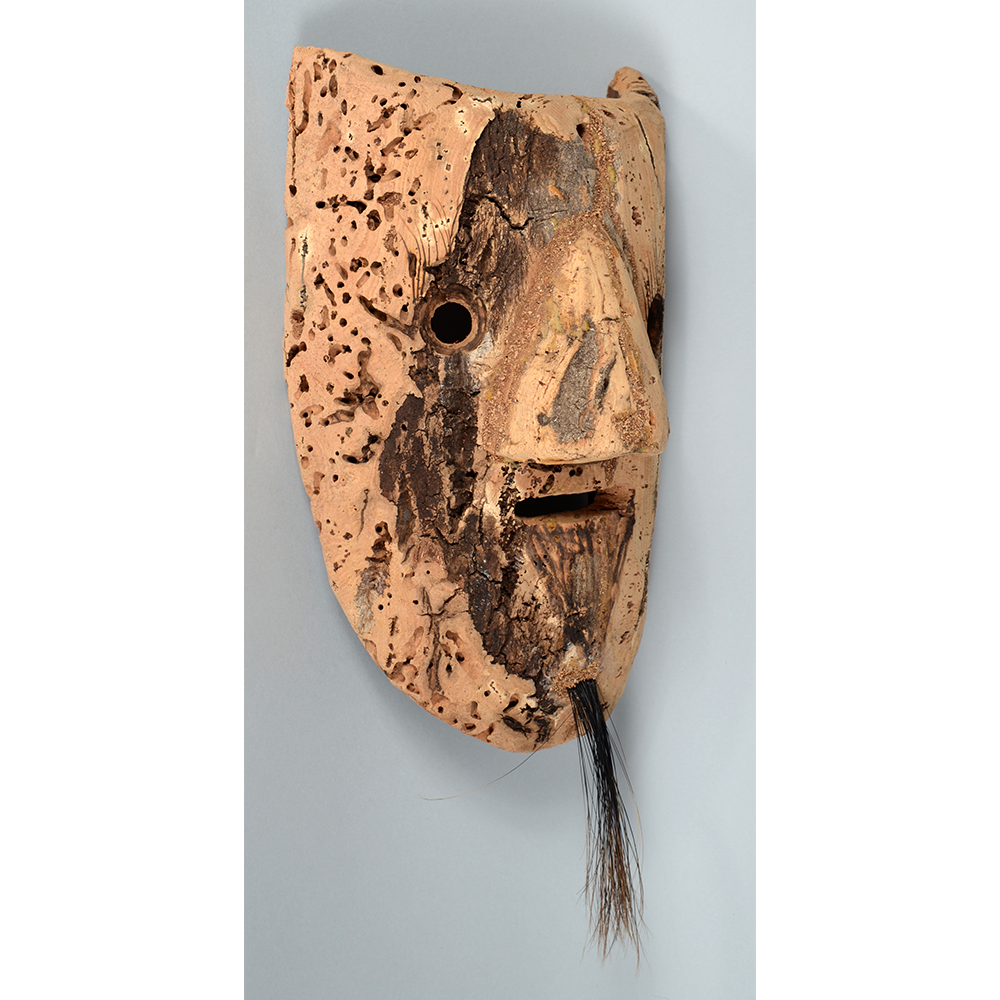
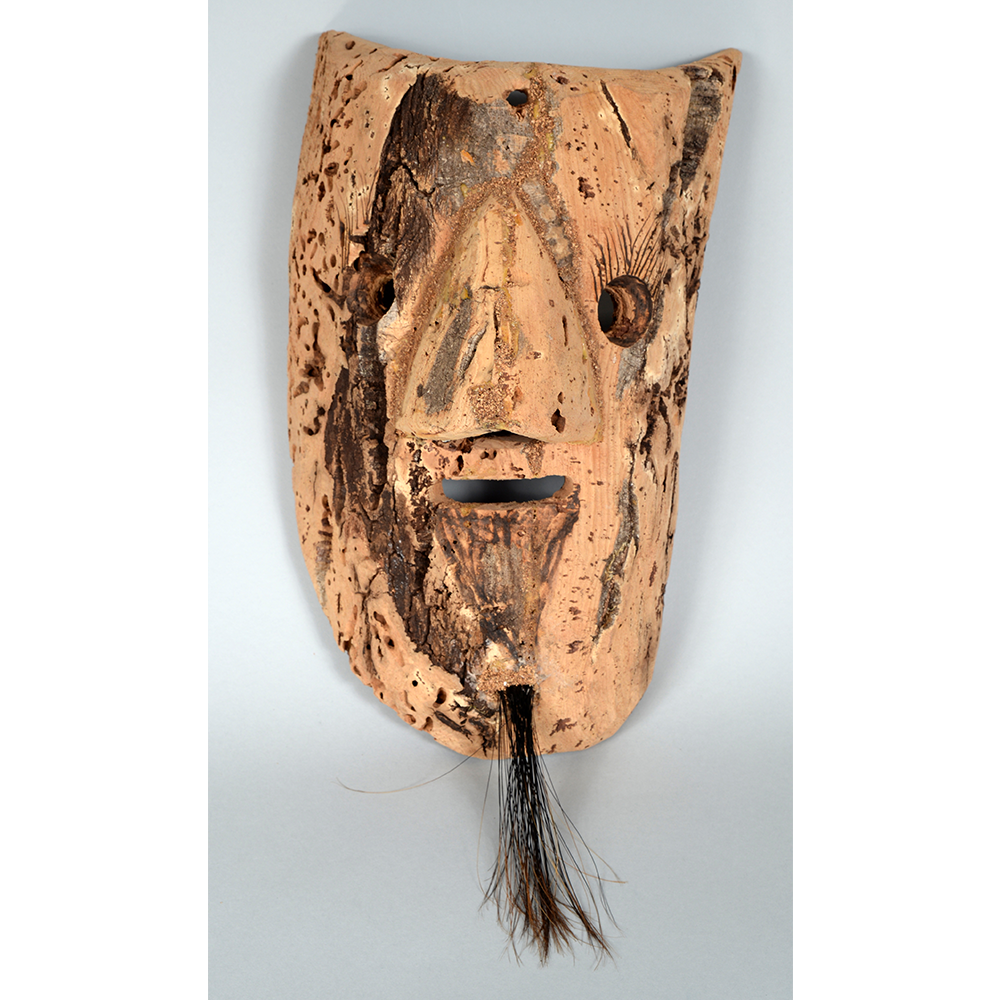
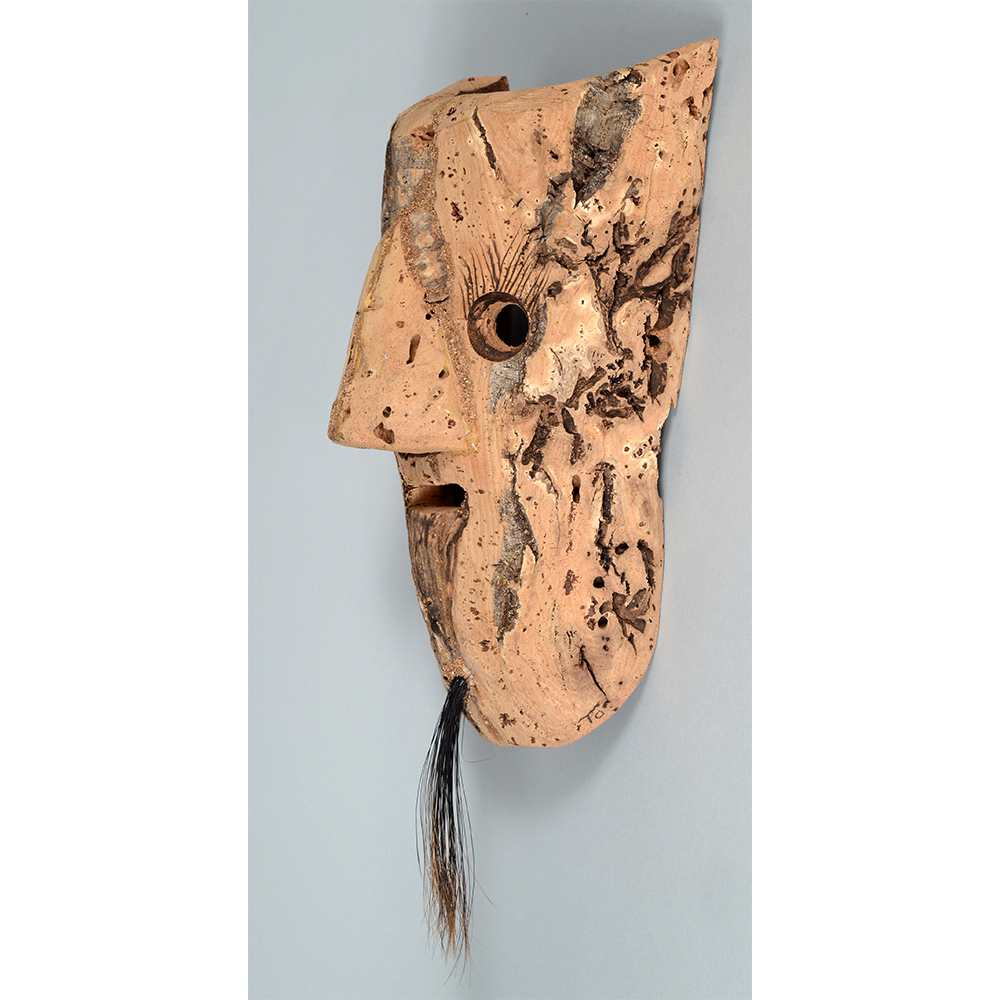
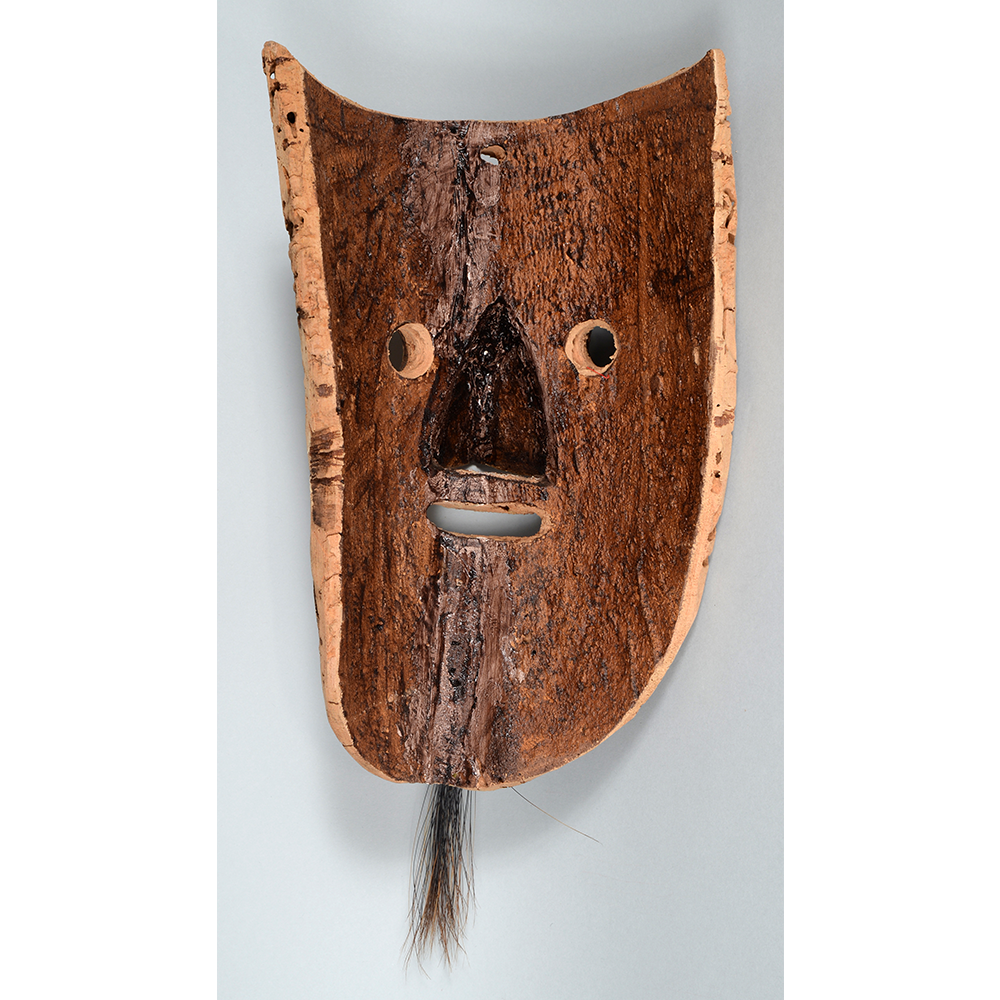
TITLE: Careto
TYPE: face mask
GENERAL REGION: Europe
COUNTRY: Portugal
SUBREGION: Bragança
ETHNICITY: Iberian
DESCRIPTION: Careto
CATALOG ID: EUPT003
MAKER: António Alves (Varges, Bragança, 1949- )
CEREMONY: Entrudo (Carnival)
AGE: 2017
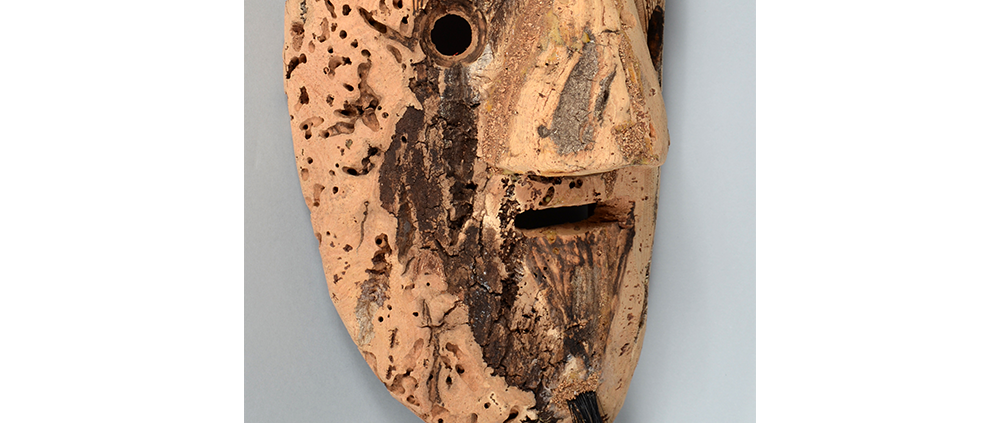
MAIN MATERIAL: cork bark
OTHER MATERIALS: adhesive; lacquer; vegetable fibers

In Bragança, Portugal, Carnival (frequently called Entrudo) masks may be composed of a wide variety of materials, most commonly metal, leather, wood, cork, or escrinho (woven straw). Such masks typically have devilish features, representing the freedom enjoyed by the celebrant that would be considered sinful, or at least socially unacceptable, at other times of the year. Carnival is the Shrovetide season of maximal social freedom prior to the Catholic fasting season of Lent. In Catholic countries such as Portugal, parties, parades, feasting, and cultural events are commonly organized during the Carnival season, primarily on “Fat Sunday” and “Fat Tuesday.”

:

TITLE: Wayang Wong Laksmana
TYPE: face mask
GENERAL REGION: Asia
COUNTRY: Indonesia
SUBREGION: Bali
ETHNICITY: Balinese
DESCRIPTION: Laksmana Mask
CATALOG ID: ASID009
MAKER: Jero Manku Pande Made Rahaejeng (Banjar Pujung Kaja Desa Talipud, 1976- )
CEREMONY: Wayang Wong
AGE: 1990
MAIN MATERIAL: pule wood
OTHER MATERIALS: paint; goat leather and hair; mother of pearl

The Wayang Wong dance drama retells parts of the Hindu epics, the Ramayana and the Mahabharata. These epics revolve around the god Rama and his battle with the demon king Ravana, who has abducted Rama’s wife, Sita. In the end, Rama retrieves her with the help of the wily monkey god, Hanuman.  This mask represents Laksmana, the noble brother of Rama and a close ally in his war on Ravana. It was made by the Hindu priest Made Rahaejeng and used for many years in the village of Banjar Pujung.

For more on Balinese masks, see Judy Slattum, Masks of Bali: Spirits of an Ancient Drama (San Francisco: Chronicle Books, 1992).


Click above to watch a short documentary film about Wayang Wong performance in Bali, Indonesia.

:

TITLE: Waq’ollo
TYPE: hood mask
GENERAL REGION: Latin America
COUNTRY: Peru
ETHNICITY: Quechua
DESCRIPTION: Waq’ollo Mask for Qhapaq Q’olla
CATALOG ID: LAPE006
MAKER: Unknown
CEREMONY: Dance of the Qhapaq Q’olla (Qoyllur Rit’i; Corpus Christi; Fiesta de la Virgen del Carmen)
AGE: 1970s
MAIN MATERIAL: dyed and knitted llama wool
OTHER MATERIALS: N/A

In the Altiplano of Bolivia and Peru, the Quechua and Aymara descendants of the Incans still celebrate Qoyllur Rit’i, the Snow Star Festival in late May or early June to hale the reappearance of the Pleiades constellation and the harvest. Although the Catholic Church has attempted to co-opt the event, it maintains its essentially pre-Spanish conquest character.  Pilgrims from around Peru assemble in the Sinakara Valley in various costumes to dance in celebration. The Qhapaq Q’olla (“mighty Indian”) is one such character, dancing in the waq’ollo mask shown here with a hat, woven sling and a dried vicuña skin. Supposedly they represent a merchant who is half human and half llama, and who brings goods to the Cusco region for sale from the jungle and Paucartambo region, such as pisco liquor. Their roles are primarily that of clown, but they also dance and sing to the Virgin of Paucartambo. They sometimes wear a square flat hat called an aqarapi, and dance in a group.  The group is composed of a Mayor (alcalde), who carries a wooden staff of authority and a black crucifix on his mask, and his wife (la Imilla), a child (q’ollita), two captains, a llama herder (llamero), who wanders into the crowd to pretend to sell his goods, and a group of q’ollas dancing in two rows.  The imilla has a face covered by a black veil.  Qhapaq Q’olla also dance at Corpus Christi parades in Cusco and other religious celebrations.

The q’ollas, aligned according to their age, dance together, led by the captains. Sometimes children called chanako accompany them as well. The musical ensemble that accompanies them consists of a violin, an accordion, a bass drum and several Quena performers.  The q’ollas are always men born in Paucartambo. The costume consists of a flat, rectangular hat (aqarapi) decorated with sequins, old coins or beads; the waq’ollo; a lliclla skin made of vicuña wool, and the qepi that contains a young dead vicuña.  the dance, the collas sing Quechua songs about their commercial activity, their journey to Cusco, and their protective saints.


Click above to watch a short documentary on Corpus Christi in Cusco, Peru.

: